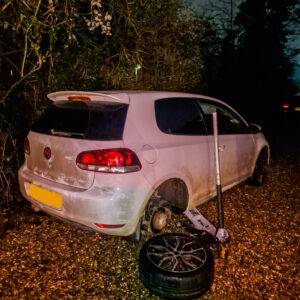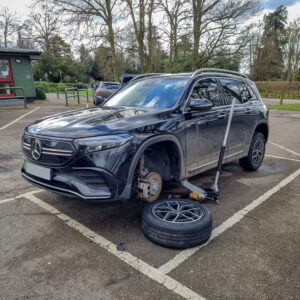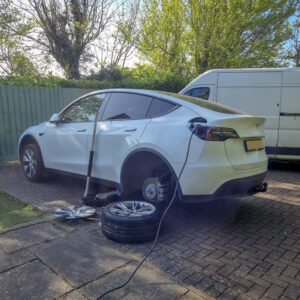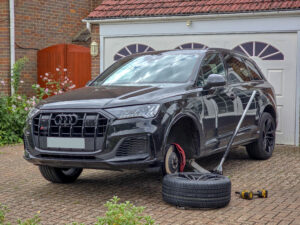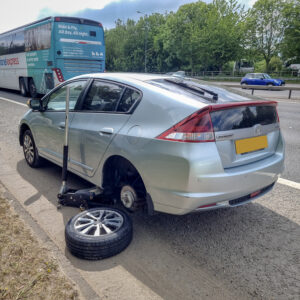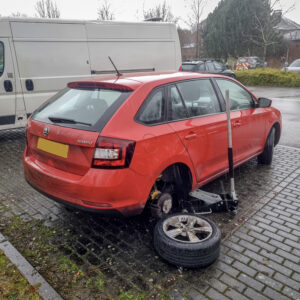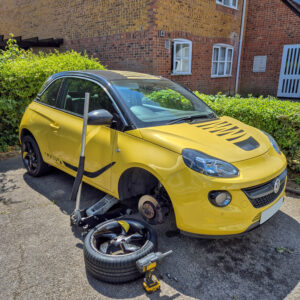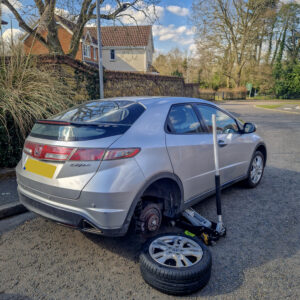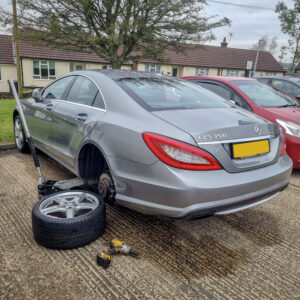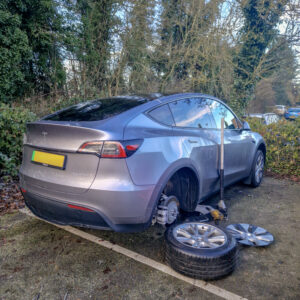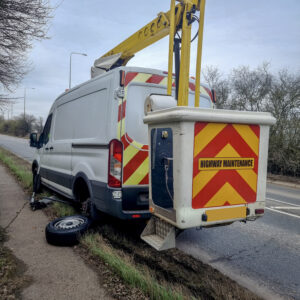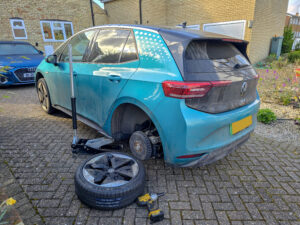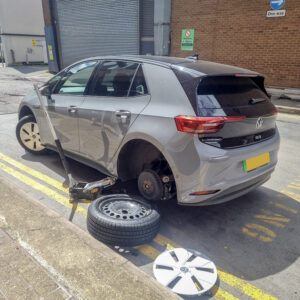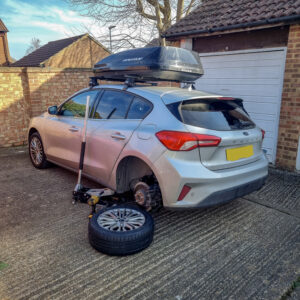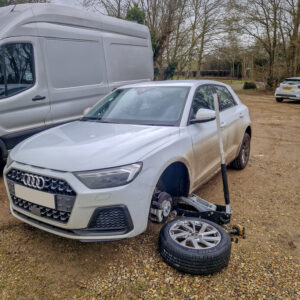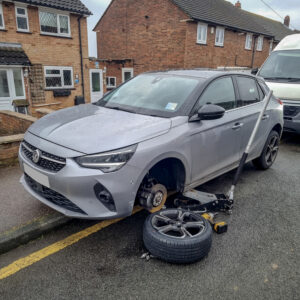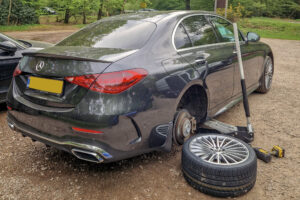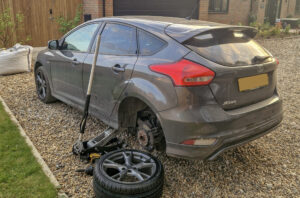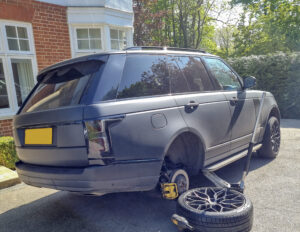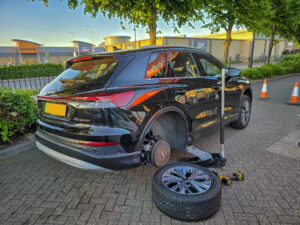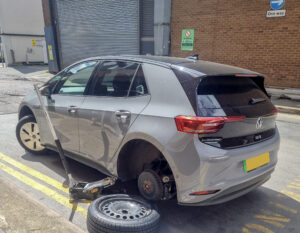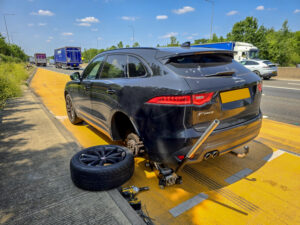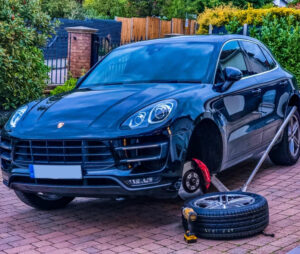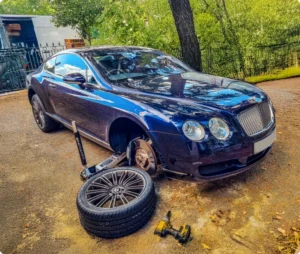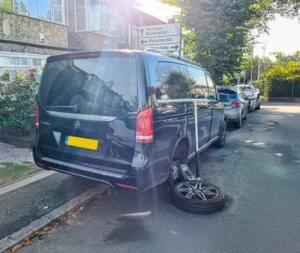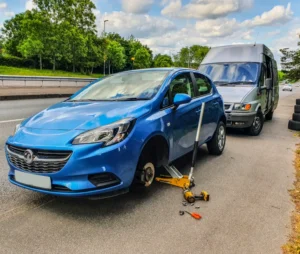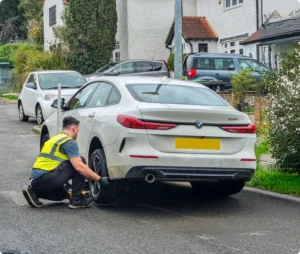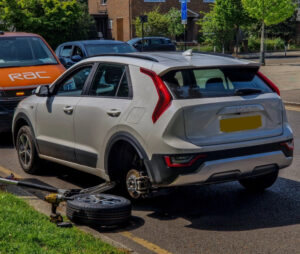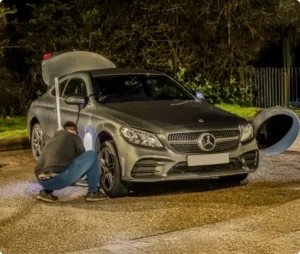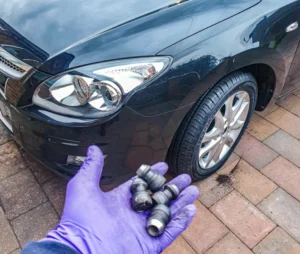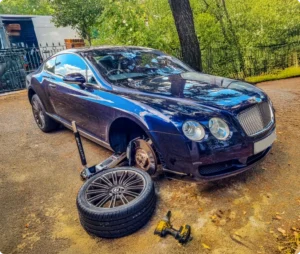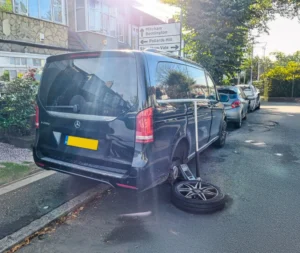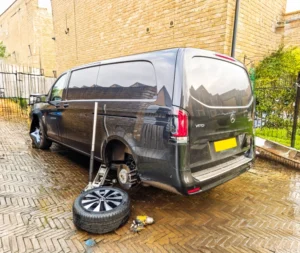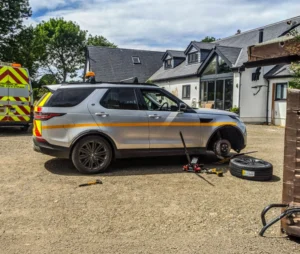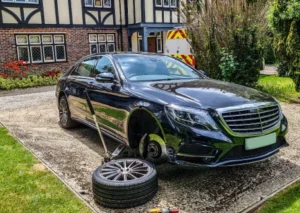
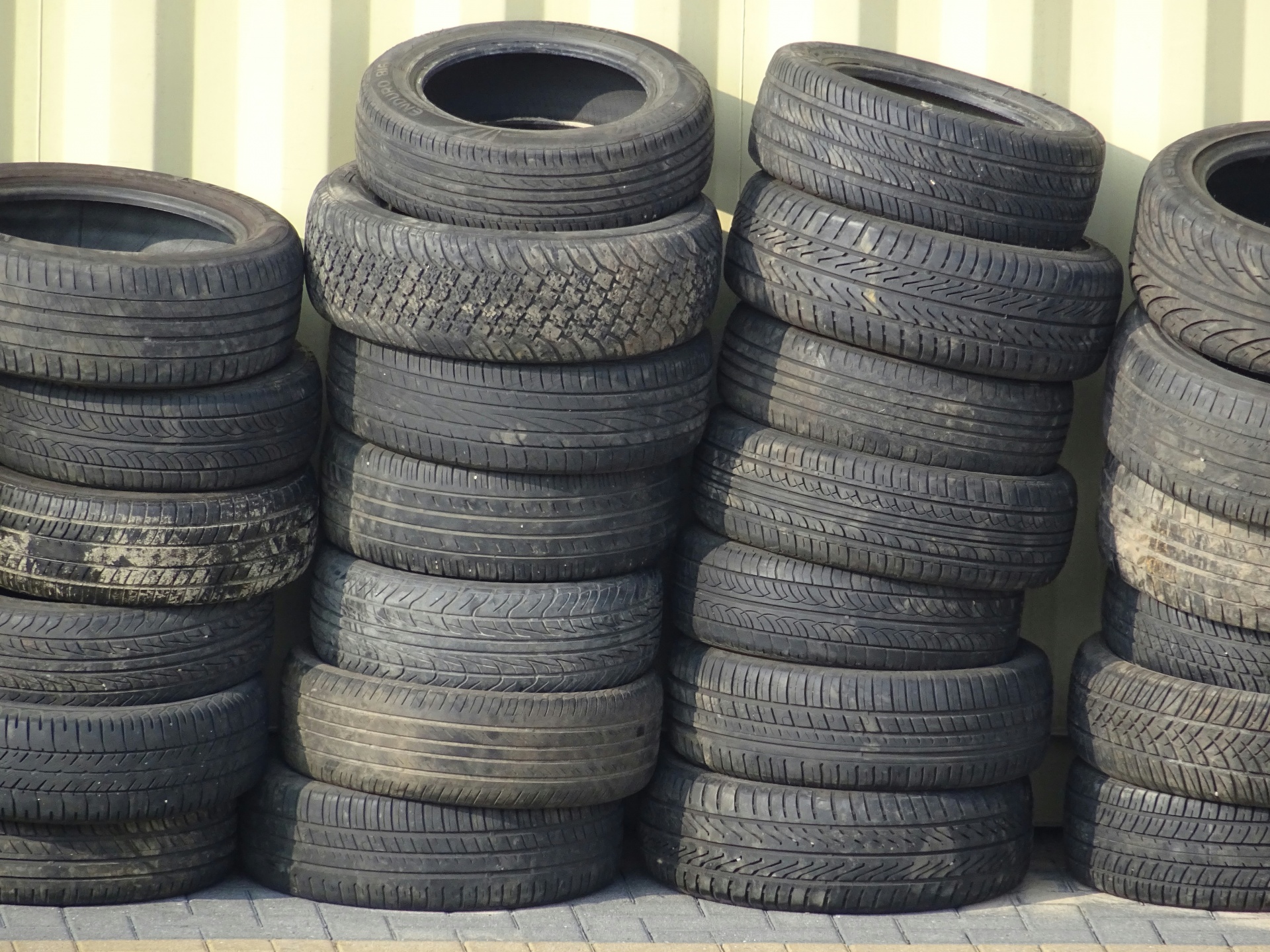
A Radlett customer once told our fitter that his garage held eleven old tyres, collected over fifteen years “in case they came in useful”. Tyre recycling was the last thing on his mind, and he was delighted to see the pile leave.
That story is more common than you’d think. Our mobile tyre replacement service takes your old tyre away at every fitting, and this guide explains what the wider system looks like.
Here you’ll find the numbers, the rules, and some practical habits that cut waste. It also sits beside our complete guide to North London tyres, for drivers who want the full picture.
Why Tyre Recycling Matters in the UK

A tyre is built to last, and that’s exactly what makes it hard to get rid of. Every car on your street will need replacing tyres, and every replaced tyre has to go somewhere.
The Scale of the Problem
The UK produces nearly 700,000 tonnes of waste tyres a year, about 50 million tyres, according to ATF Professional’s report on the Environment Agency review. Estimates vary, and the Tyre Recovery Association puts the figure nearer 40 million tyres.
Whichever figure you prefer, the volume is huge. It’s a reminder that the greenest tyre is the one that stays on the car longest.
Why the Landfill Ban Helped
Whole tyres have been banned from landfill since 16 July 2003, and shredded tyres since 16 July 2006, according to letsrecycle.com. Tyres over 1,400mm in diameter and bicycle tyres were exempt.
The ban pushed old tyres towards other routes, which is where recycling and recovery come in.
Where Old Tyres Go Next
Once a tyre leaves your drive, it takes one of a few routes. Each has different benefits, and each depends on a trustworthy chain of handlers.
Fuel and Rubber Products
The NetRegs guidance on used tyres lists fuel use, mainly in cement kilns, as a current destination for waste tyres. Wikiwaste adds that it’s illegal to landfill untreated, whole tyres, so the other routes matter.
Burning tyres for energy recovers some value, though it isn’t the same as turning rubber into something new. Both routes keep whole tyres out of the ground, which is why the choice of handler matters.
Export and the Questions It Raises
Around half of the UK’s waste tyres are exported, mainly to India, according to the same ATF Professional report. A BBC File on 4 investigation in March 2025 found that around 70% of the tyres exported to India end up at illegal facilities.
Recycling International reports that millions of tyres were treated at illegal pyrolysis plants in India, and the Environment Agency has since launched a review. Peter Taylor of the Tyre Recovery Association said it’s “time to scrap the T8 exemptions and ban the export of unshredded ELTs”.
A Fair Word on the Figures
These numbers come from journalists and trade bodies, and not every estimate agrees. DEFRA’s most recent published data, for 2020, recorded 237,297 tonnes of rubber waste across the UK, according to Wikiwaste.
The gap between estimates is itself part of the story. Some tonnage isn’t reported to the regulator at all.
What Tyre Recycling Means for Your Next Fitting
You don’t need to follow the waste industry to make a difference. A few simple questions at the point of fitting put the choice back in your hands.
Ask Where the Old Tyres Go
When you book new tyres, ask what happens to the old ones. It’s one of five questions we recommend asking any supplier, and a good fitter will answer clearly.
The fitted price at Olympus covers disposal of the old tyre, with budget tyres from £100 including the tyre, fitting, a new valve, and balancing.
Keep Your Receipt
Hold on to the breakdown you’re given after the fitting. It shows that disposal was part of the job, which is a useful record if anyone ever asks.
Never Leave Tyres Behind
Dumping a tyre by the roadside is fly-tipping, and it’s the opposite of everything this guide stands for. If you have old tyres in a garage, a mobile fitter can often take them during a visit, so ask when you ring.
Making Your Tyres Last Longer
The best tyre recycling story is the one that never needs telling. A tyre that lasts a thousand extra miles is a tyre that stays out of the waste stream a little longer.
Check the Pressure Weekly
The Highway Code advises checking pressures weekly, before a journey, while the tyres are cold. Under-inflation wears tyres faster and drags on the road, which costs you fuel.
Our tyre pressure guide shows you how to check them in a couple of minutes.
Spot Uneven Wear Early
The same Highway Code guidance says excessive or uneven wear may point to faults in the braking or suspension, or to misaligned wheels. Fix the cause, and the next set lasts longer.
A Hemel Hempstead driver once got through two front tyres in a year before he found a bent track rod. He now checks the wear pattern every time he fills up.
Repair When It’s Safe
Not every damaged tyre needs replacing. We repair damage in the central tread up to 6mm, to British Standard BS AU 159. Our guide to what to do about a nail in your tyre explains the process.
A repaired tyre is one fewer tyre in the waste stream, and a good fitter will tell you honestly when a repair is possible.
Sidewall and shoulder damage always means replacement, because those repairs aren’t safe.
Replace at the Right Moment
The legal minimum tread depth for cars is 1.6mm, and we recommend replacing at 3mm. Our tread depth guide shows how to measure it.
Replacing at the right time protects your safety first, and it keeps tyres from being worn beyond use.
Fit Pairs Sensibly
Putting the newest tyres on the back axle helps the car stay stable and spreads the wear. Our post on where the best pair of tyres should go explains the reasoning in plain terms.
Getting that right means both pairs reach the end of their life together, instead of one set being thrown away early.
Choosing Tyres With the Whole Life in Mind
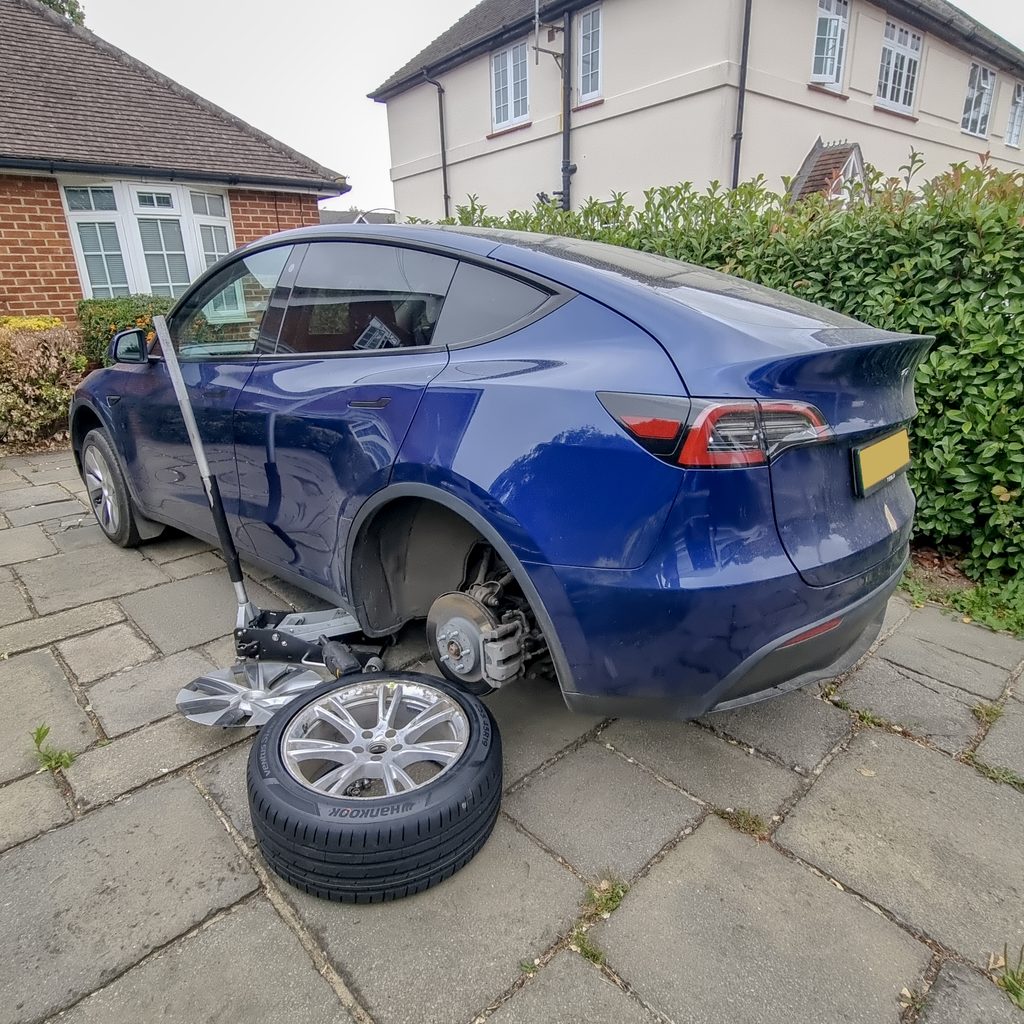
Where a tyre ends up begins with what you buy. A little thought at the start saves waste at the end.
New Tyres Start With Full Life
Every tyre we fit is new, so you get the full life the manufacturer built in. Our post on new tyres versus part-worn tyres explains why a tyre with unknown history tends to come off the car sooner.
Read the Label
Tyre labels grade fuel efficiency and wet grip from A to G, which helps you pick a tyre that saves fuel while it lasts. Our guide to sustainable tyres in Hertfordshire and North London explains how to use it.
Looking After the Tyres You Already Own
A little routine does more for the environment than most people expect. It costs nothing, and it takes less time than making a cup of tea.
Give Them a Weekly Look
Walk around the car and check each sidewall for cuts and bulges. Our mobile tyre fitting checklist covers what to do before and after a visit.
A Barnet customer keeps a note of the pressures on her phone, next to the shopping list. She says the tyres have never lasted longer.
Where We Fit Across the Region
We cover Hertfordshire and North London, with an office in St Albans. Wherever you are, the quote you get on the phone is the final price.
Old Tyres From Vans, Caravans, and Fleets
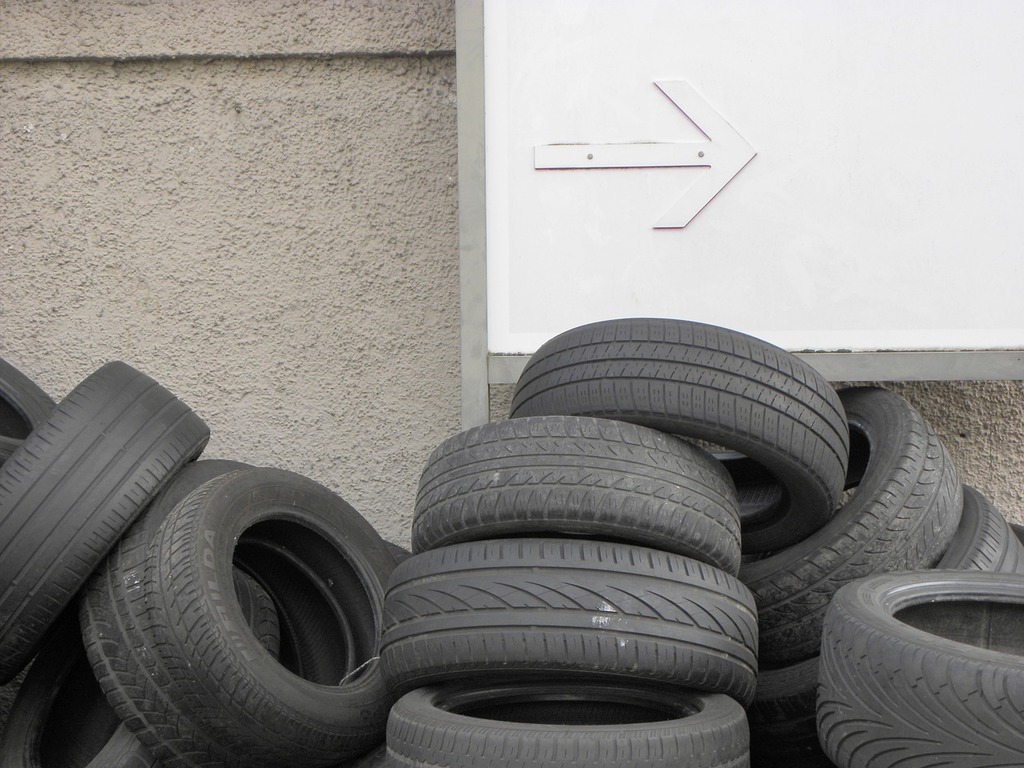
Bigger vehicles mean bigger tyres, and bigger piles when they wear out. A few extra habits keep that pile down.
Review Every Tyre on a Schedule
Businesses with several vehicles can save plenty by checking every tyre on a set date. Our guide to mobile tyre fitting for fleets and company vehicles explains how a fitter can work around your timetable.
NetRegs points out that businesses should ask their waste contractor about disposal options, so keep that conversation on record.
Don’t Forget the Caravan
Caravan tyres often age out before they wear out, because they sit still for months. Our post on caravan tyre fitting at your door explains what to look for before the touring season starts.
Book Your Tyre Fitting Today
Get your tyres fitted where you’ve parked, and let us take the old ones away. Phone or message us on WhatsApp with your location and tyre size, and we’ll give you a price straight away.