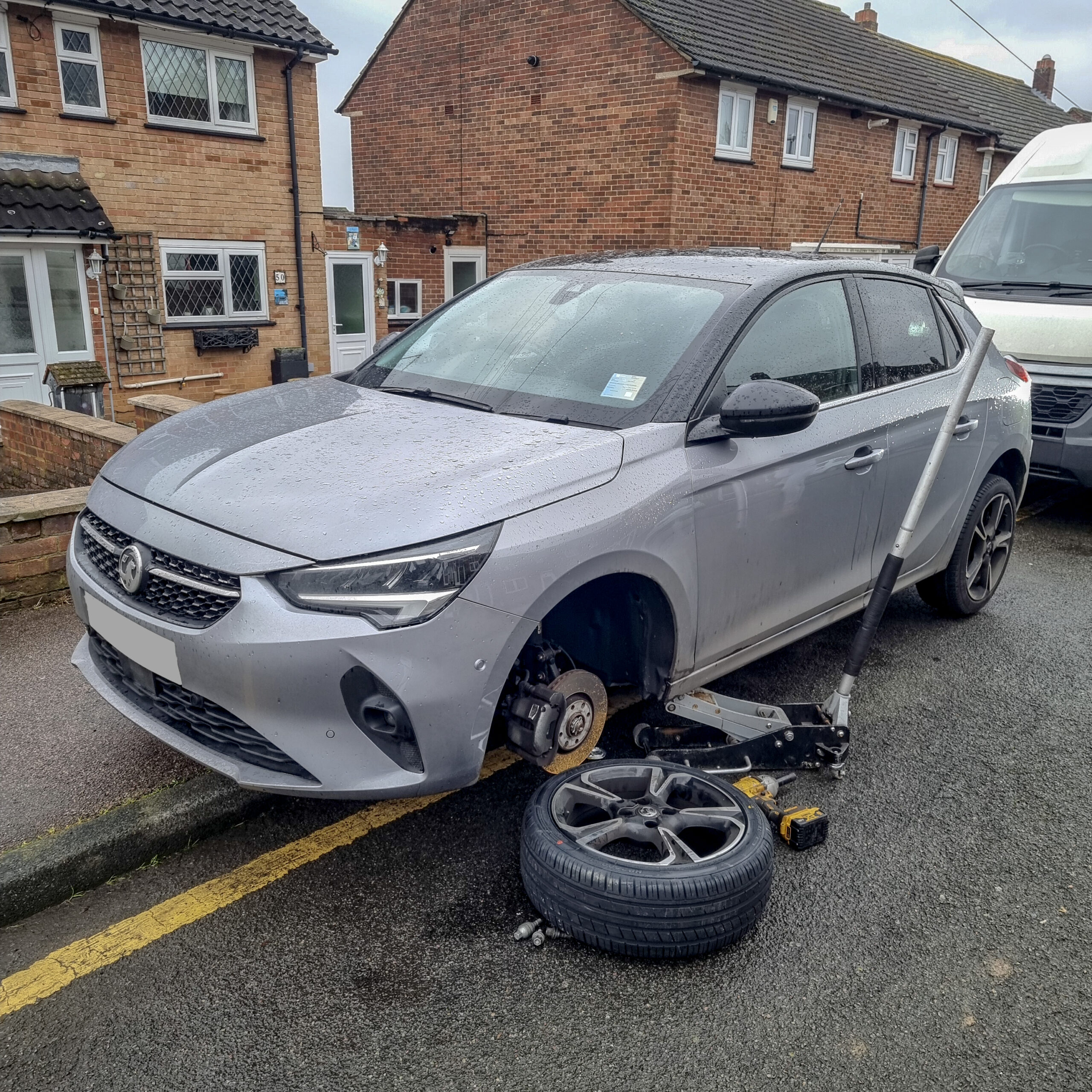
A flat tyre tells you straight away. A slow puncture doesn’t. That’s the difference in one sentence, but it matters more than it sounds.
A flat tyre is often what a slow puncture turns into once it’s left too long. If you want the full picture on tyre punctures in general, our complete guide to tyre puncture repair covers everything from causes to cost.
This piece is just about the slow leak that catches people out.
What Exactly Is a Slow Puncture?
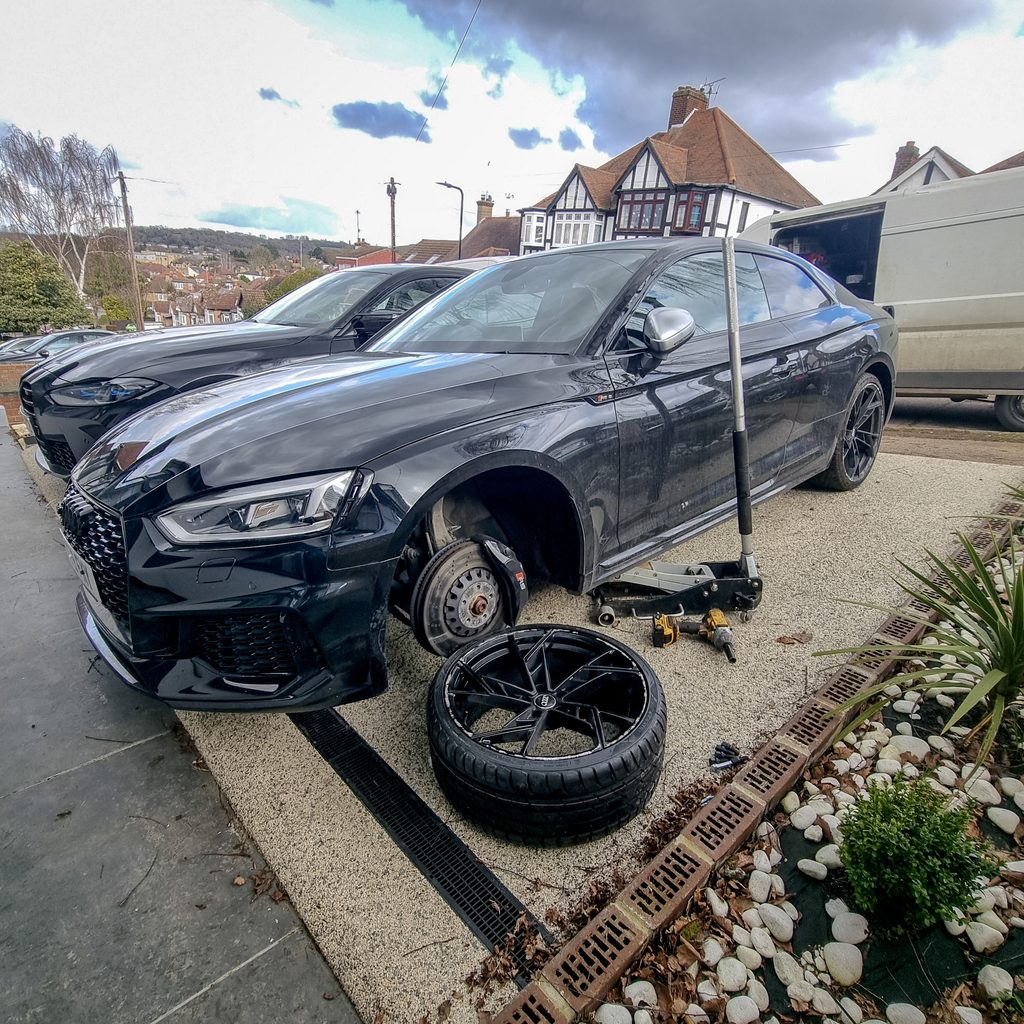
Small damage that lets air escape gradually, usually over days or weeks instead of minutes. It’s often caused by something small lodged in the tread, sitting there quietly while the tyre loses pressure bit by bit.
You might not notice anything at first. The car still drives normally, and the tyre still looks round.
The only early clue is often a slightly heavier feel to the steering, or a dashboard light that wasn’t on yesterday. Most drivers only join the dots once it’s happened a few times.
A slow puncture isn’t always caused by something dramatic. Sometimes it’s just a tiny pinhole, barely visible unless you know exactly where to look. That’s part of what makes it easy to ignore for weeks.
How to Tell If You Have a Slow Puncture
Most drivers find out from their dashboard before they find out from the tyre itself.
Common Warning Signs to Watch For
A few signs tend to show up together:
- Your tyre pressure warning light stays on
- One tyre looks slightly softer than the others
- The steering feels heavier or slightly vague
- You’re topping up the same tyre every few weeks
None of these confirm the problem on their own. Together, they’re a strong hint that something’s worth checking properly.
If you’re topping up more than once a fortnight, it’s not going to fix itself. Book it in before it gets worse.
Some drivers get into a routine of topping up every Sunday morning without really questioning why. It becomes normal, right up until the morning it doesn’t hold air at all.
What Usually Causes a Slow Puncture
Small, sharp objects are the usual suspects. A short screw, a thin nail, or a sliver of glass can sit in the tread and let air escape gradually instead of all at once.
A damaged valve can produce the same symptoms without any tread damage at all. So can a wheel rim that isn’t sealing properly against the tyre, often after kerb damage on tighter streets.
The causes of a slow leak are rarely dramatic. That’s exactly why they’re easy to miss until the warning light forces the issue. It’s one reason we always check the whole wheel, not just the tread, before confirming what’s wrong.
Road debris is impossible to avoid entirely, whatever you drive or however carefully you drive it. Building sites, industrial estates, and country lanes all shed the kind of small sharp litter that ends up in a tyre.
Slow Puncture or Blowout? Spotting the Difference
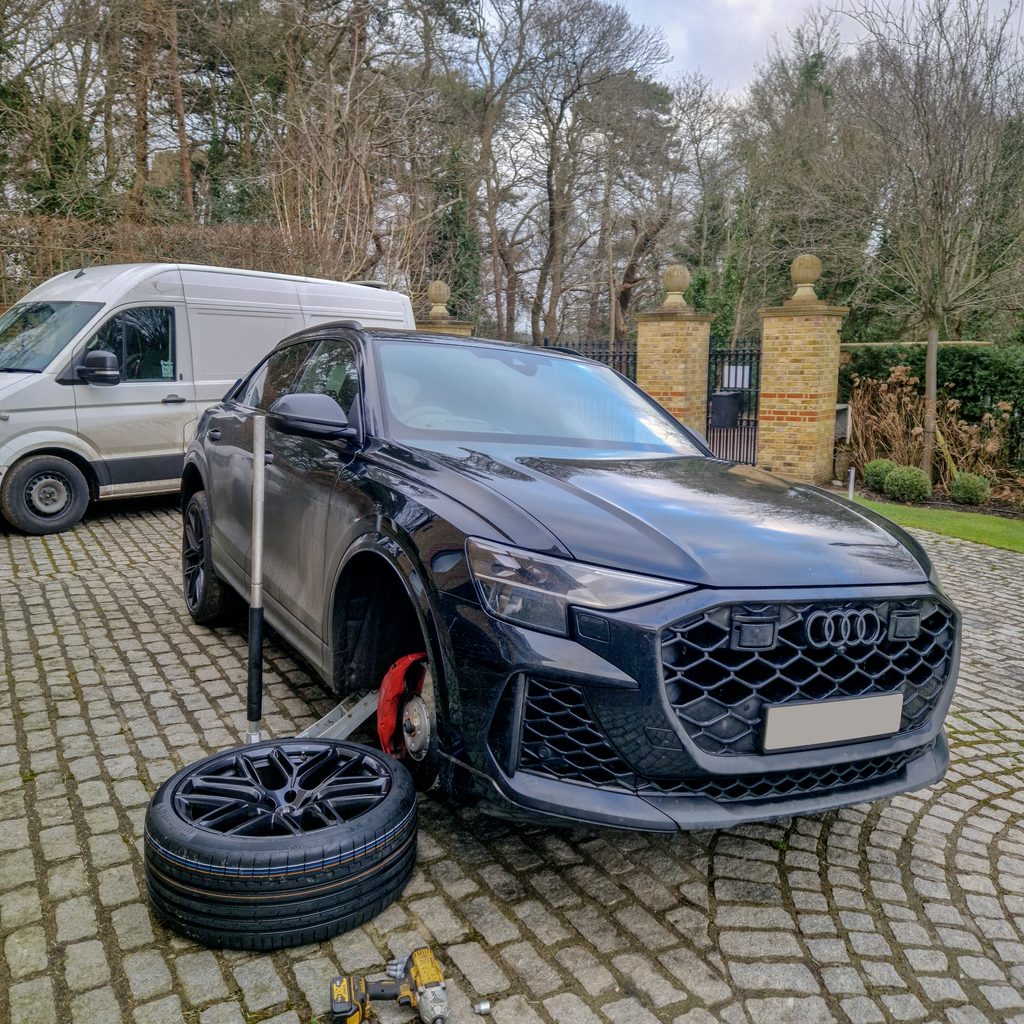
These two problems sit at opposite ends of the same issue.
One gives you days or weeks of warning if you’re paying attention. The other gives you none. A blowout is sudden, often loud, and immediately affects how the car handles.
The Highway Code’s guidance on vehicle maintenance covers exactly what to do if a tyre bursts while you’re driving. It’s worth reading once, calmly, instead of working it out for the first time at 60mph.
A gradual leak gives you options. A sudden one doesn’t. That’s really the whole distinction that matters here.
Tyre age and general condition play a part too. An older tyre with worn tread is more likely to fail suddenly than a newer one with plenty of tread left, even if the initial damage looks similar on both.
Can You Drive on a Slow Puncture?
Technically, yes, for a short distance. Should you? Generally not, and definitely not for longer than it takes to get somewhere safe.
Driving on it damages the tyre further with every mile you cover. It also makes an eventual repair less likely to be possible, since the internal structure takes more damage the longer it runs underinflated.
If your tyre pressure light comes on, get it checked the same day if you can. It’s rarely worth risking a fine, a breakdown, or a tyre that’s gone from repairable to replaceable by the time someone looks at it.
It’s also worth checking your spare while you’re at it, if your car has one. There’s nothing worse than dealing with one flat tyre only to find the backup isn’t in any better shape.
What Happens When You Book a Repair
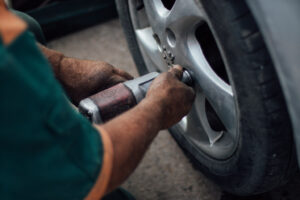
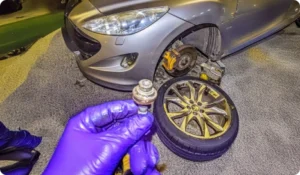
A slow puncture repair starts the same way every proper repair does. We take the tyre off the wheel and inspect it fully, inside and out.
If the damage sits in the central tread area and isn’t too large, it gets patched to British Standard BS AU 159 and rebalanced before it goes back on.
If it doesn’t meet those conditions, we’ll tell you honestly instead of patching something that won’t hold.
TyreSafe recommends checking your tyres regularly for exactly this reason. Caught early, this kind of leak is a quick, cheap fix. Left too long, it usually isn’t.
Real Cases We’ve Sorted Recently
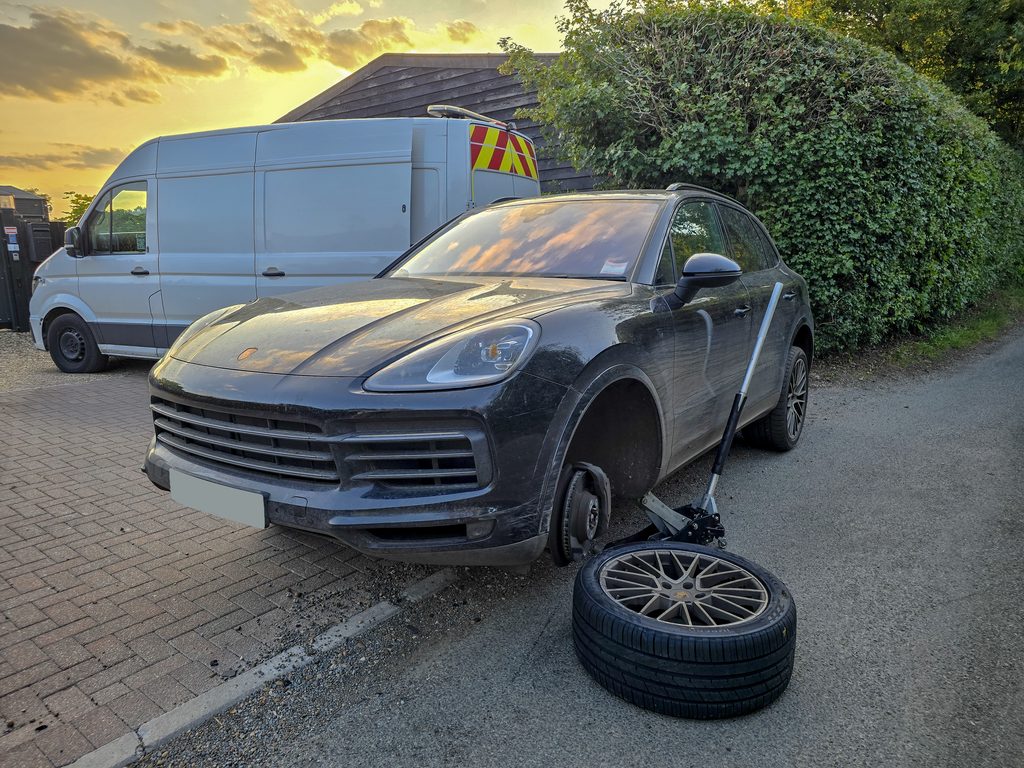
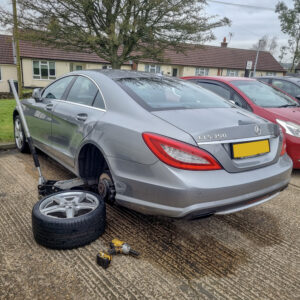
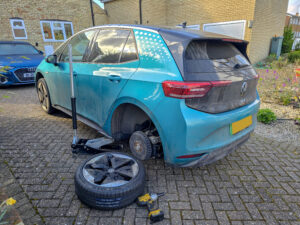
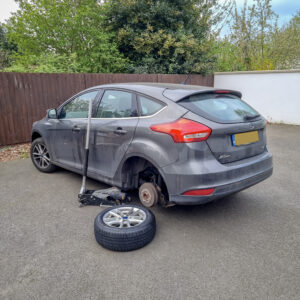
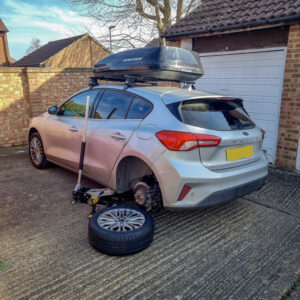
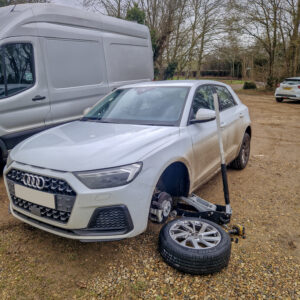
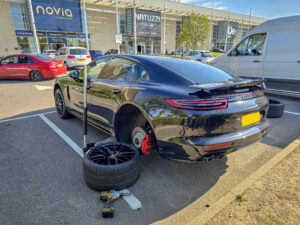
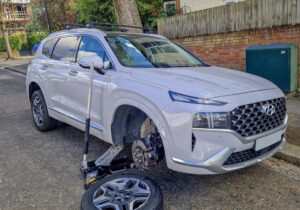
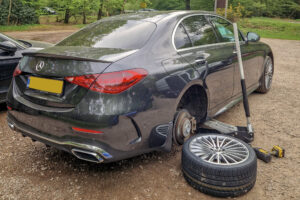
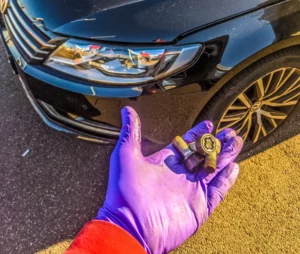
A customer in Potters Bar, who we’re calling Grace here to protect her privacy, kept topping up the same tyre every fortnight for over a month before calling us.
It turned out to be a small nail, sitting neatly in the tread. It was a fifteen-minute job once we arrived, though she admitted she’d been putting off the call longer than she should have.
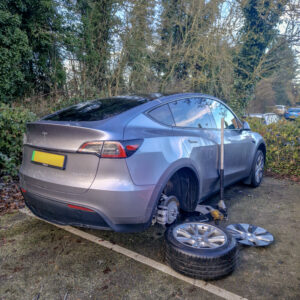
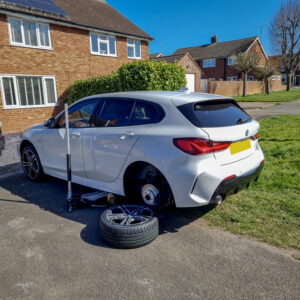
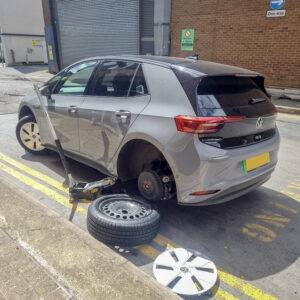
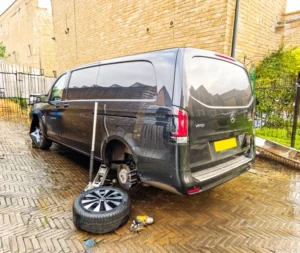
A regular in Ilford had a similar experience after his tyre pressure light came on during a school run. We found a tiny hole from a bit of road debris.
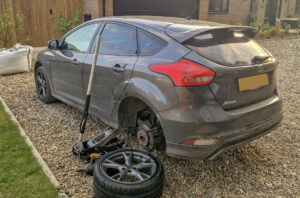
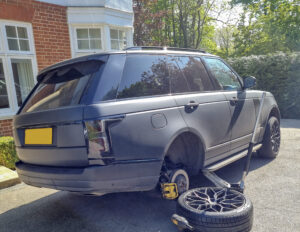
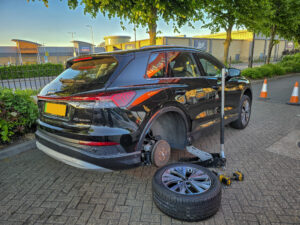
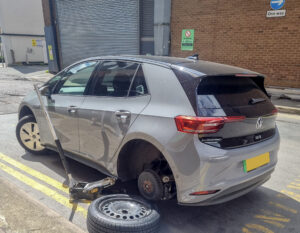
We patched it on his driveway and had him back inside before the kettle had boiled.
Neither job was dramatic. That’s usually how it goes, provided you don’t wait too long to get things looked at properly.
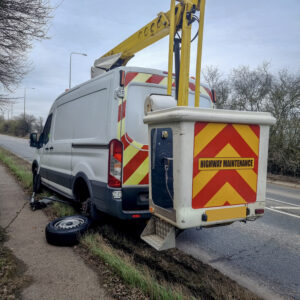
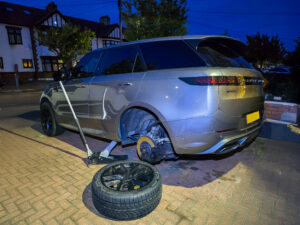
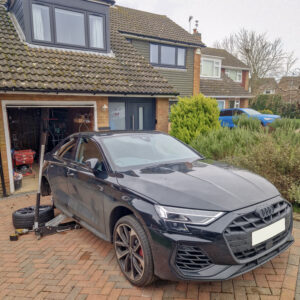
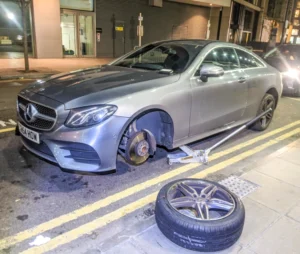
A third customer, in Woodford Green, wasn’t so lucky. He’d noticed the warning light a week earlier but kept meaning to call.
By the time we arrived, the tyre had gone completely flat overnight on the drive. A straightforward repair turned into a replacement. It’s the one story here with a slightly less happy ending, and it’s exactly why we mention it.
Get It Checked Before It Becomes a Flat Tyre
The early warning rarely announces itself the way a blowout does. That’s exactly why it’s worth acting on the first hint instead of waiting for the tyre to make the decision for you.
If you’re anywhere across Hertfordshire or North London and something feels slightly off with a tyre, our mobile tyre repair service can come and check it properly.
If it’s already gone flat and you need help right now, our emergency tyre fitting team covers round-the-clock call-outs, seven days a week.
Either way, the sooner you call, the more options you’ll have. A tyre caught early is usually a quick job. One left too long usually isn’t.