
Locking wheel nuts are designed to secure our wheels in place, but can become a source of frustration when they cannot be removed. At Olympus Mobile Tyre Fitting, we have seen how a small part can cause major problems if it fails to function as it should.
If you have ever experienced the frustration of a wheel nut that refuses to budge, you are not alone. Here’s what’s really going on with wheel nuts and how professional locking wheel nut removal can help you get back on the road in no time.
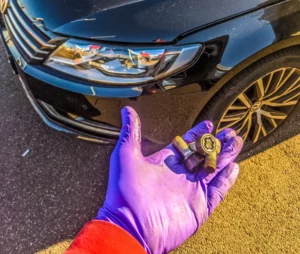
Locking wheel nuts do not just get stuck; it is a gradual process due to exposure to certain factors. The common factors that make locking wheel nuts get stuck include:
Over time, these factors combine to create a situation where locking wheel nut removal becomes difficult without the right tools and expertise.
Corrosion stands as the main cause which prevents wheel nuts from unlocking. The UK experiences damp weather conditions, which combine with road grime and salt to create ideal conditions for rust development.
Attempts to use a DIY tool for locking wheel nut removal that has become corroded often result in a ruined nut or alloy. Specialist tools are designed to break this bond without causing costly damage.
It is a common misconception that tighter is better. Overtightening the locking wheel nuts is one of the biggest reasons for problems in their removal.
A simple tyre change may lead to future problems unless proper torque control is exercised in the locking wheel nuts.
This doesn’t just happen in garages; it can occur anywhere wheels are fitted without proper care. Some common mistakes made in installing a wheel nut include:
These errors may cause the nut to jam or not seat correctly, thereby making the locking wheel nut removal far more complicated than it should be.
Your locking key is an important component, but it is also one of the most vulnerable pieces of your system.
In the case of a missing or damaged key, it is not easy to remove the nut. This is where advanced techniques of unlocking the wheel nut come in.
It may sound trivial, but it can create big problems down the road if it’s allowed to accumulate inside the nut.
While regular maintenance can help, if it’s neglected, it’s often necessary to have a professional remove a wheel nut to avoid further damage.
If there is difficulty in removing locked wheel nuts, it is best to look for expert advice, which can help to solve the problem effectively. At Olympus Mobile Tyre Fitting, we can provide such help at your doorstep.
The way we handle locked wheel nuts ensures that your wheels remain unharmed.
It’s tempting to try to get rid of a stuck nut yourself, but it’s not worth it without proper equipment.
By hiring experts in locking wheel nut removal, you avoid these risks and get it done right the first time.
Prevention is always better than a cure. A few simple steps now can save you from future headaches.
This way, you avoid situations where you have to use emergency locking wheel nut removal services.
A stuck wheel nut may ruin your day, but it doesn’t have to ruin your week. Whether it’s corrosion, over-tightening, or simply wear and tear, knowing the cause is the first step to taking the appropriate solution.
At Olympus Mobile Tyre Fitting, we specialise in quick, effective, and efficient locking wheel nut removal, bringing you expert solutions to your doorstep. Even the most stuck locking wheel nuts can be overcome with the right approach.
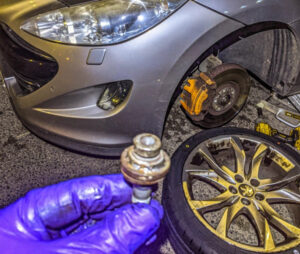
They usually get stuck due to rust, overtightening, or dirt build-up.
Yes, professional locking wheel nut removal uses specialised tools to remove them safely.
No, forcing it can damage the wheel and make removal more difficult.
Most cases can be resolved quickly with the right tools and expertise.
We are a mobile tyre-fitting company providing emergency tyre replacements near you. With over a decade of experience, we can respond immediately to your need and get you back on the road in the fastest time.
Olympus Mobile Tyre Fitting covers all major roads and motorways throughout Hertfordshire and North London.
We make payments simple and hassle-free. We accept a wide range of payment methods, including cash, Visa, Mastercard, Maestro, Discover, Diners Club, Google Pay, and Apple Pay. Whether you need an urgent tyre replacement or routine tyre fitting, our service ensures both convenience and flexibility. Contact us today for fast and reliable tyre solutions.
Olympus Mobile Tyre Fitting St Albans LTD
Office 205
2 Fountain court Regus
Victoria Square
St Albans
Hertfordshire
AL1 3TF
United Kingdom
To schedule an appointment with mobile tyre-fitting service, call our mobile tyre fitter. It’s simple to schedule an Olympus mobile tyre replacement service; simply phone or message us for a prompt answer.