The quietest tyres make every journey calmer, but a quiet ride is only one of several things a good tyre has to deliver. Grip in the wet, fuel use, and price all matter too. The right choice balances them for the way you drive.
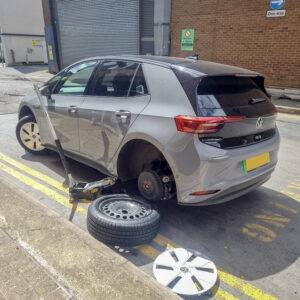
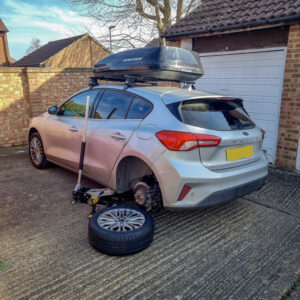
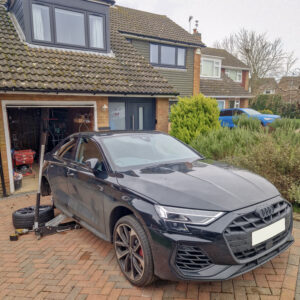
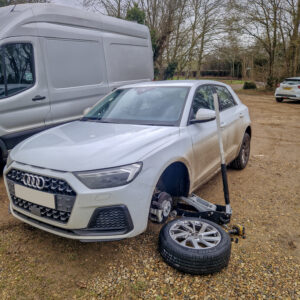
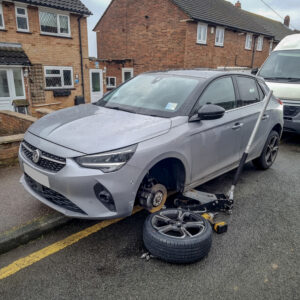
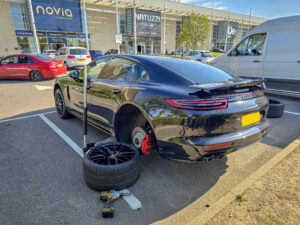
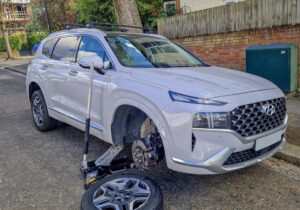
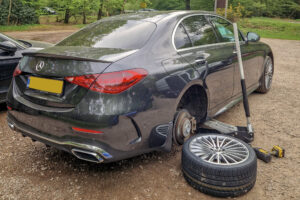
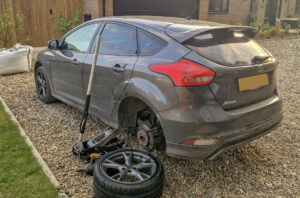
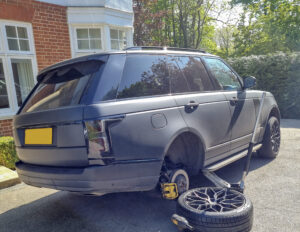
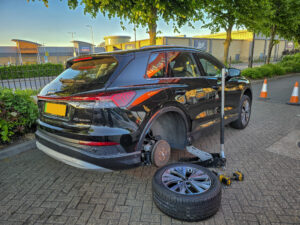
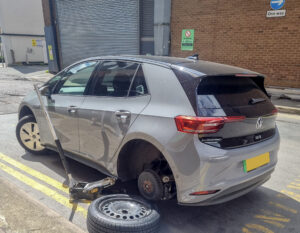
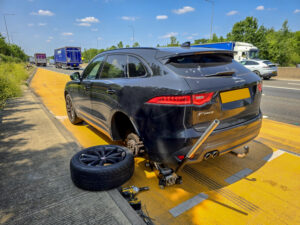
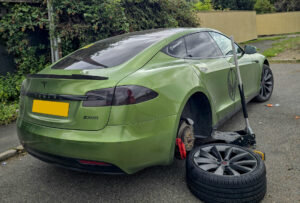
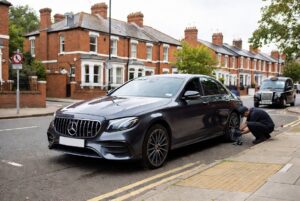
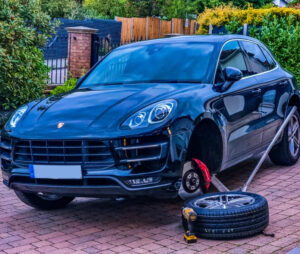
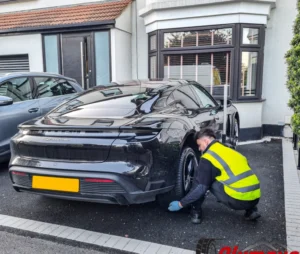
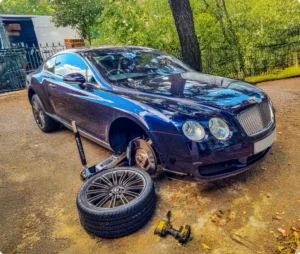
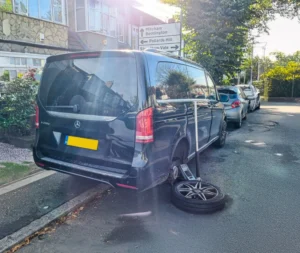
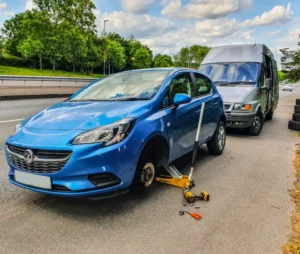
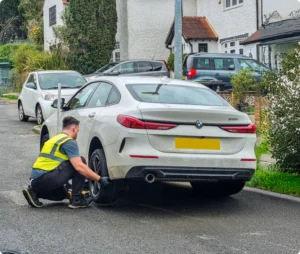
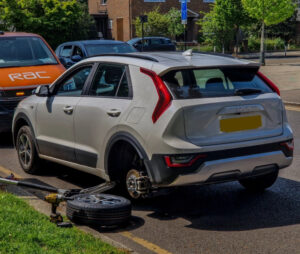
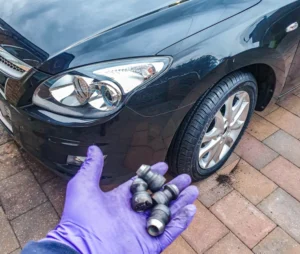
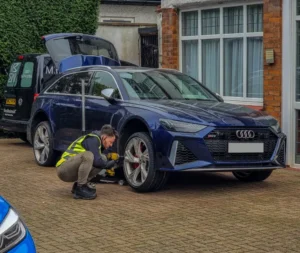
That’s the conversation we have with customers every day. Our mobile tyre fitting service brings a fitter and a full range of stock to your door. You can talk through your options and have the work done in one visit.
This article sits alongside our complete Herts and North London guide and shows you how to choose between budget, mid-range, and premium tyres. We’ll explain the information printed on a tyre label and how to use it.
Every new tyre sold in Great Britain carries a label with figures you can compare, and one of them is noise. The label shows the tyre’s external noise level in decibels, so you can see how loud a tyre is before you buy it.
Read on to learn how to read that label and which questions to ask when you pick your next set.
Choosing the Quietest Tyres Without Guesswork
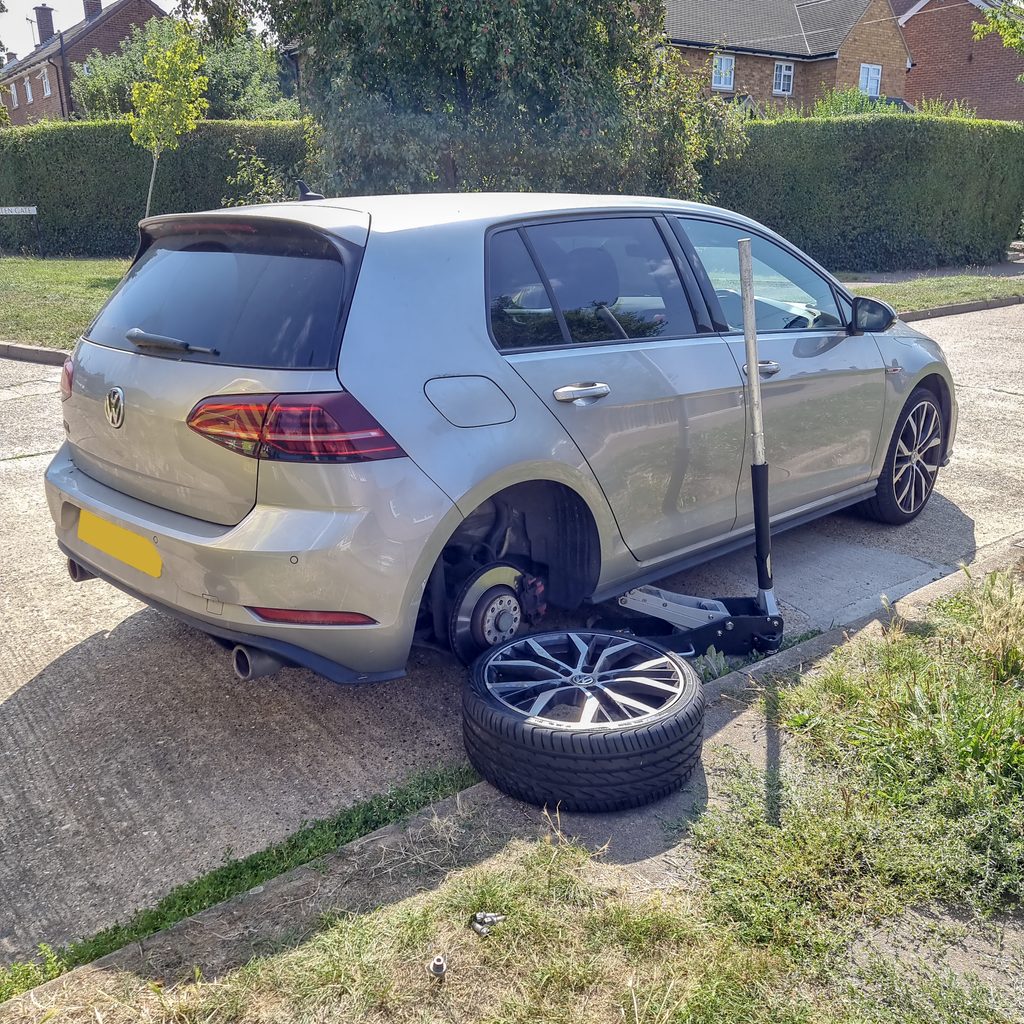
Choosing by label beats choosing by hunch. The label gives every tyre the same set of measurements, which makes a fair comparison possible.
Read the Noise Figure on the Label
According to GOV.UK, the tyre label in Great Britain shows the external noise level in decibels. The example label on that page shows a noise rating of 72 decibels.
A lower figure means a quieter tyre. For context, the Vehicle Certification Agency says type-approved tyres have maximum noise limits of between 70 and 77 decibels, depending on the tyre type.
The figure measures noise outside the car, so your road surface and your car’s own insulation also shape what you hear. It’s still the clearest guide available when you compare one tyre with another.
Quietest Tyres, Wet Grip, and Fuel Efficiency Together
Noise sits on the label alongside two grades. Fuel efficiency and wet grip are each rated on a scale from A, the highest performing, to G, the lowest.
Fuel efficiency deserves attention because it affects what you spend. The Vehicle Certification Agency explains that rolling resistance accounts for 20 to 30% of a vehicle’s fuel consumption. It also reports a 7.5% loss of fuel economy between the best and worst classes for a full set of tyres on an average car.
So the best choice is rarely the tyre that wins on one measure alone. Look at all three figures, and weigh them against what matters most on your daily route.
Tell Us What You Want From Your Tyres
When you call, say what you’re hoping for. If a calmer, quieter drive is your priority, tell us, and we’ll talk you through the options available for your car.
We match tyres to your vehicle first, so we always start with the correct size, front and rear, and the right load and speed ratings. The label then helps us narrow the choice.
Budget, Mid-Range, and Premium Explained
Tyres fall into three broad tiers, and each one has a place. Knowing what you’re paying for helps you decide where your own needs sit.
Best Budget Tyres Start From £100
The best budget tyres are the ones that give you reliable performance at a price you’re comfortable with. Our budget tyres start from £100, fitted, and that price includes the tyre, the fitting, a new valve, wheel balancing, and disposal of your old tyre.
Budget never means used. Every tyre we fit is new, and that matters. TyreSafe, the UK tyre safety charity, reports in its tyre safety infographics that over 63% of the part-worn tyres it inspected were unsafe to return to the road.
TyreSafe’s figures also show that a new tyre with 8mm of tread works out at £5.32 per millimetre of usable tread. A part-worn tyre with unknown tread and unknown faults works out at £6.33.
Mid-Range Tyres for Everyday Balance
Between the entry level and the top of the range sits the middle tier. Mid-range tyres usually cost more than our £100 starting point, and they suit drivers who want a step up without paying premium prices.
We’ll quote you before we start, so you always know the fitted price before you agree to the work. Call us with your car’s details, and we’ll talk you through what’s available.
Premium Tyres for Drivers Who Want More
Premium tyres sit at the top of the price range. We carry tyres from leading manufacturers, including Michelin, Dunlop, Continental, and Pirelli.
Our range also includes names such as Goodyear, Toyo, and Sava. Whatever the tier, we fit every tyre with the same care, balance each wheel, and set the pressure before we leave.
Tyre Brands Compared on the Same Scale
You’ll see plenty of opinions about tyre brands compared against each other. The label gives you something firmer, because every tyre sold in Great Britain is rated on the same measures.
That means you can put any two tyres side by side and check their noise figure, their wet grip, and their fuel efficiency. Ask us for the label details of the tyres you’re considering, and use them to decide.
How We Match the Right Tyre to Your Car
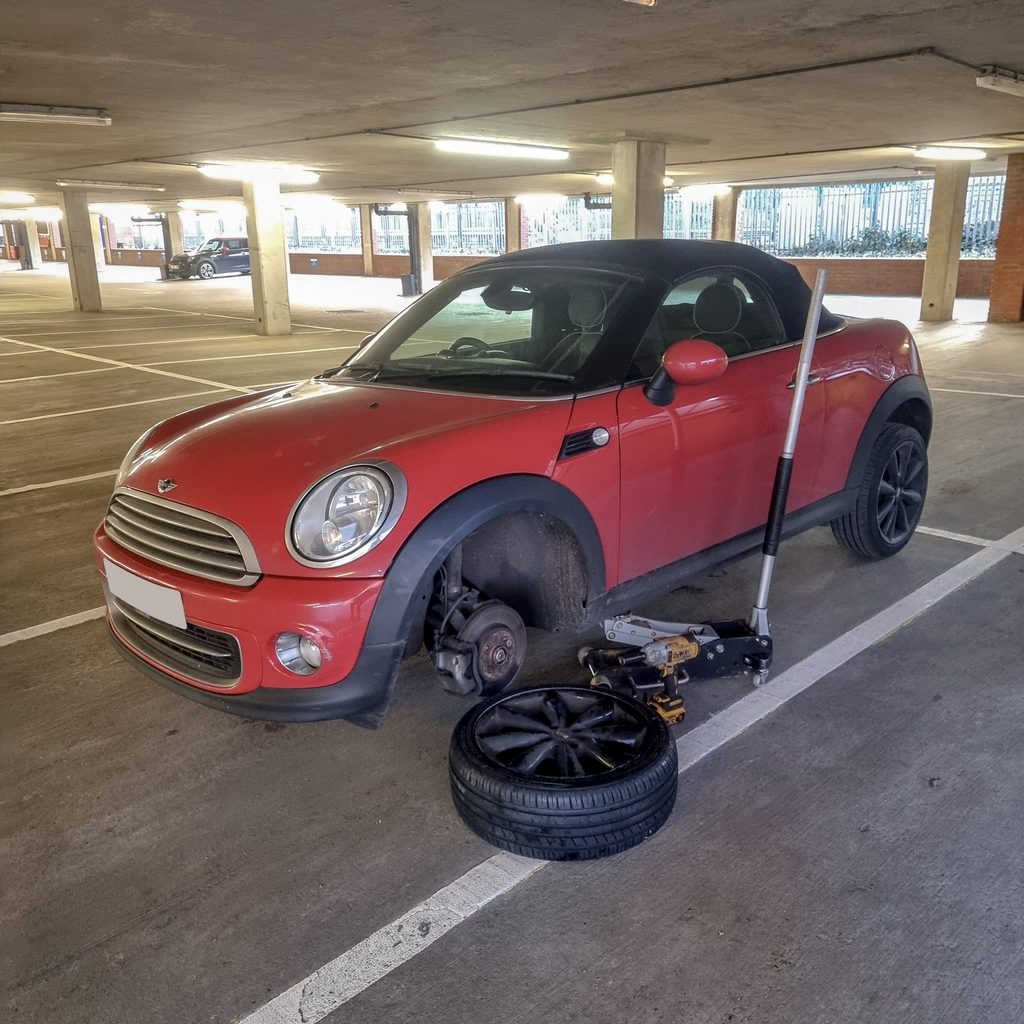
The best tyre on paper is no use if it doesn’t suit your car. Our fitters take a careful look at the whole picture before they recommend anything.
Size, Load, and Speed Ratings
Every tyre carries a code on its sidewall, such as 205/55R16. TyreSafe lists this as the most common tyre size in the UK, but your car may use something different.
We check the correct sizes for the front and rear axles, along with the load rating and the speed rating. A tyre that doesn’t meet your car’s requirements isn’t a choice we’ll make for you.
The Way You Drive
A daily commuter and a weekend driver have different needs. Motorway miles, short city trips, and school drop-offs all put different demands on a tyre.
Tell us how you use the car, and we’ll suggest whether a budget option or a better tyre suits you. This is the part of the conversation that turns a price list into a real recommendation.
Confidence in the Wet
Wet grip is where tread and tyre quality really show. TyreSafe’s figures say a car braking from 50mph on a wet road stops in 25.9 metres on a new 8mm tyre. On a tyre worn to 1.6mm, it needs 37.8 metres.
That gap of almost 12 metres is the reason we recommend replacing tyres before they reach the legal limit. Our tread depth guide shows you how to measure yours.
Planning Your Purchase Around the Label
A few minutes of preparation turns a confusing choice into a simple one. The label does most of the work for you.
Compare Your Shortlist Side by Side
Pick two or three tyres in the right size and line up their figures. Check each of these points:
- The external noise figure in decibels
- The wet grip grade from A to G
- The fuel efficiency grade from A to G
- The fitted price for your car
If you’re hunting for the quietest tyres, start with the decibel figure and then check that wet grip and fuel efficiency still suit you. A tyre that wins on noise but falls short on grip may not be the right fit.
Keep the Paperwork
GOV.UK says distributors must give the fuel efficiency, wet grip, and noise information on or with the bill for passenger car and light commercial tyres. Keep that paperwork with your car’s records.
We also give you a clear breakdown of what was fitted and what you paid. Together, those documents tell you exactly what is on your wheels.
Match the Choice to Your Budget
The quietest tyres are not always the most expensive, and the most expensive are not always the quietest. The label lets you check, instead of assuming.
After you’ve narrowed the list, tell us your budget and we’ll quote the fitted price before we start.
Keeping Your New Tyres Quiet and Long-Lasting
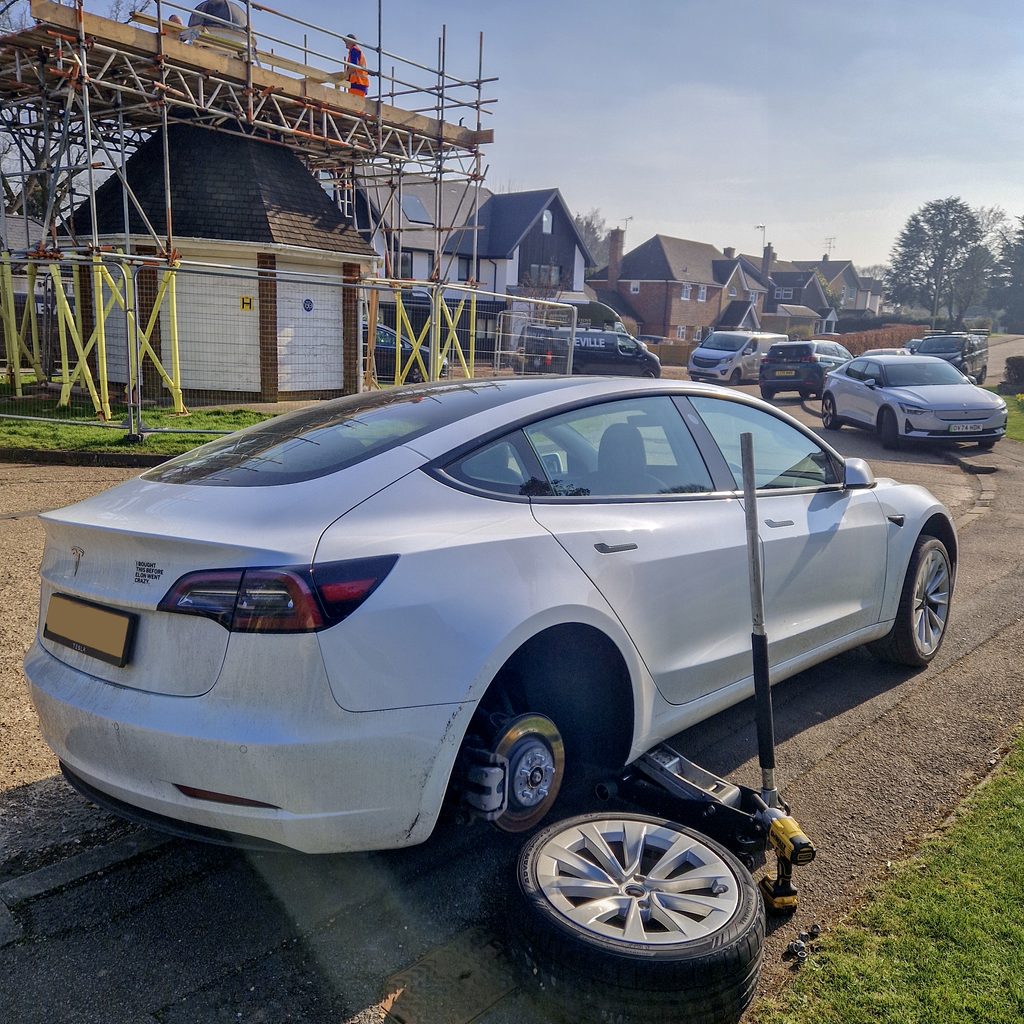
Once the right tyres are on your car, a little care protects your investment. Two simple habits make the biggest difference.
Check the Pressure Every Month
TyreSafe recommends checking tyre pressure monthly with a reliable gauge. The same figures show that a car with tyres 6psi below the recommended pressure uses 3% more fuel.
Our tyre pressure guide takes you through the check step by step.
Replace Tyres in Good Time
The legal minimum tread depth for cars is 1.6mm across the central three-quarters of the tyre, according to GOV.UK. TyreSafe suggests thinking about replacement once the tread falls below 3mm.
When it’s time, our mobile tyre replacement service fits new tyres where you’ve parked. If you need them quickly, same-day tyre fitting is a phone call away.
Book Your Tyre Match Today
Tell us about your car and how you drive, and we’ll help you choose the tyres that suit you. We cover North London and Hertfordshire, and a fitter will come to wherever you’ve parked.
Call us on 07411 448680.