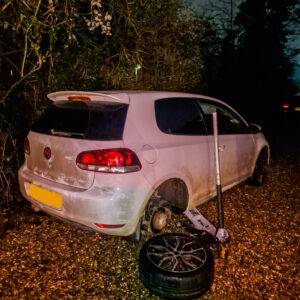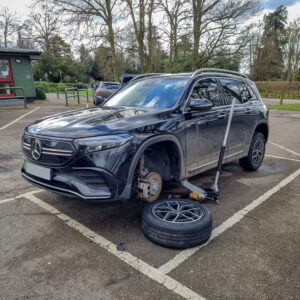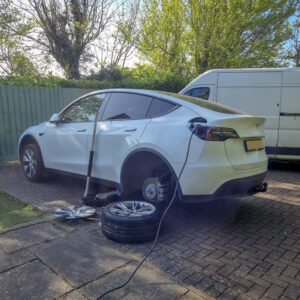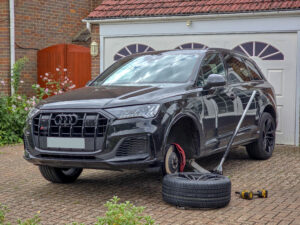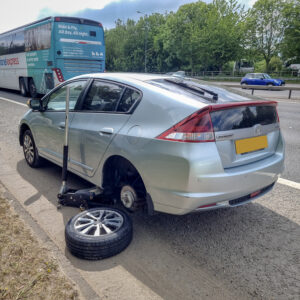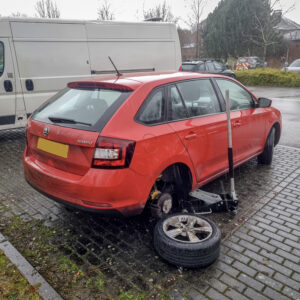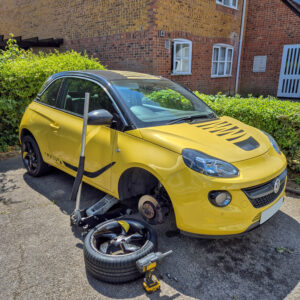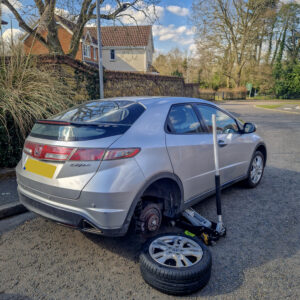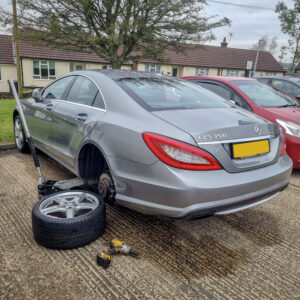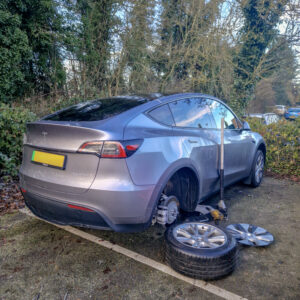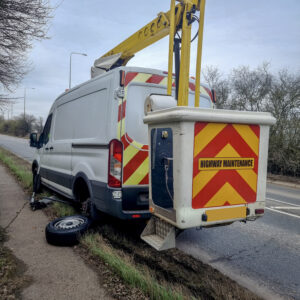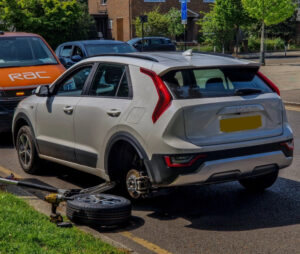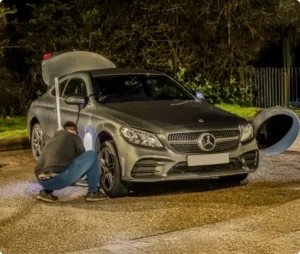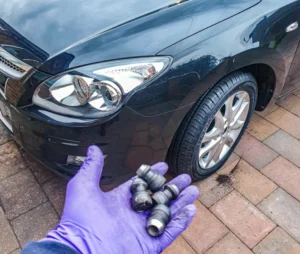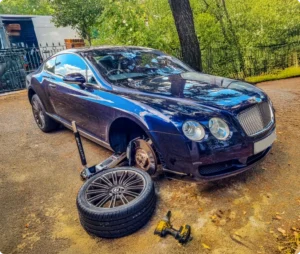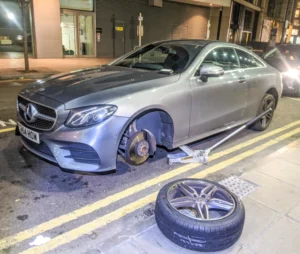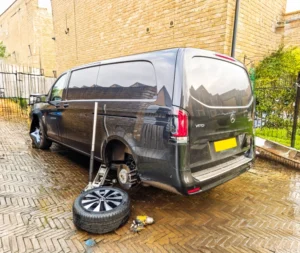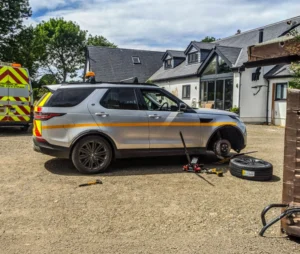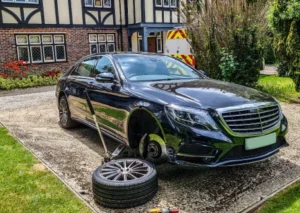
A Muswell Hill customer once rang us from outside his daughter’s school with a bulge on his front tyre the size of a tennis ball. He’d clipped a kerb squeezing past a bin lorry and driven on regardless, and his sidewall told the rest of the story. London tyres don’t get an easy life.
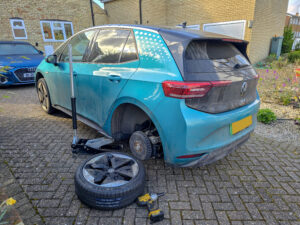
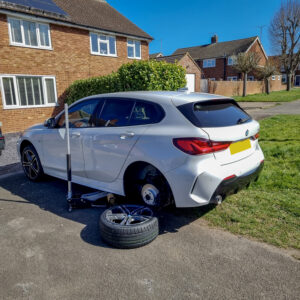
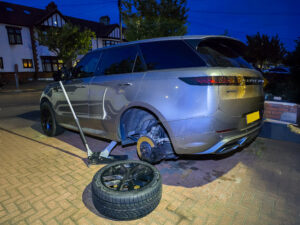
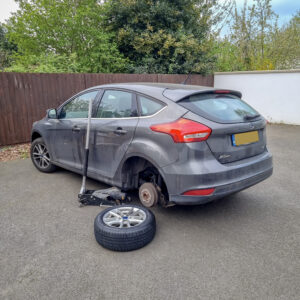
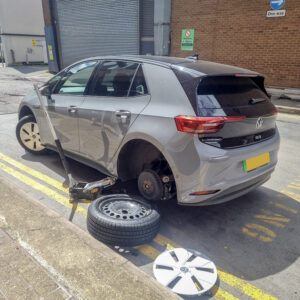
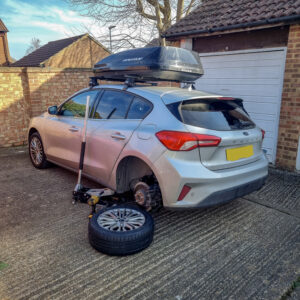
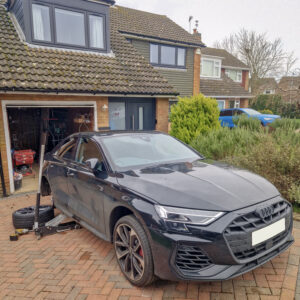
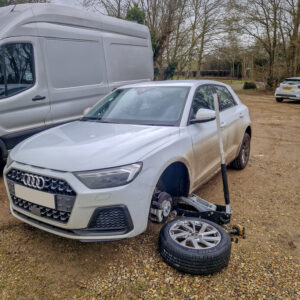
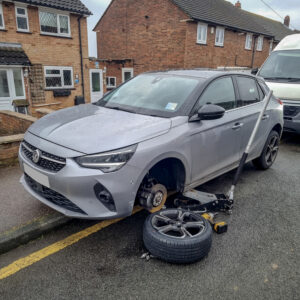
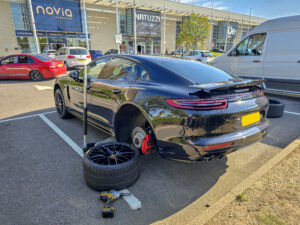
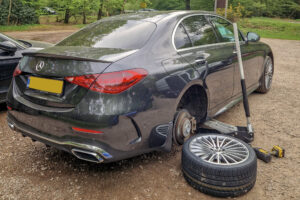
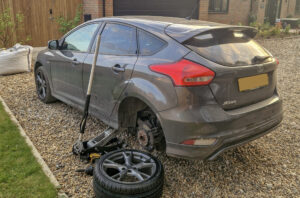
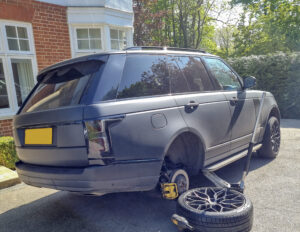
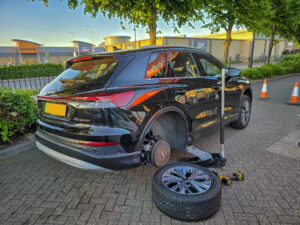
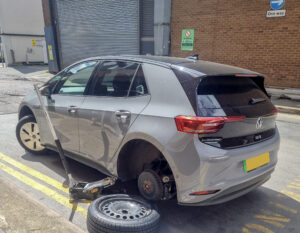
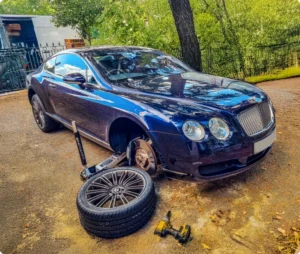
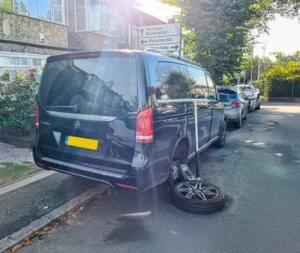
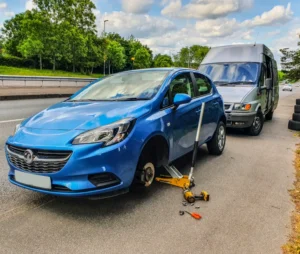
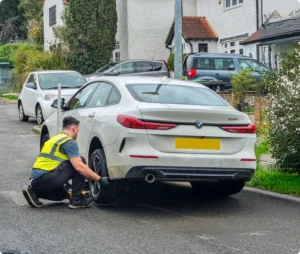
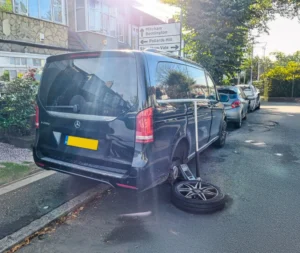
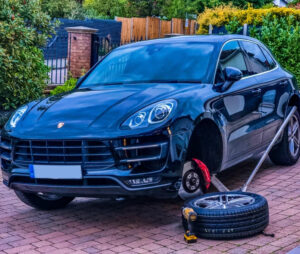
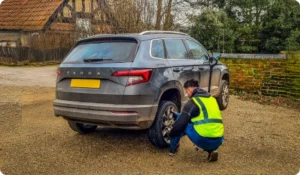
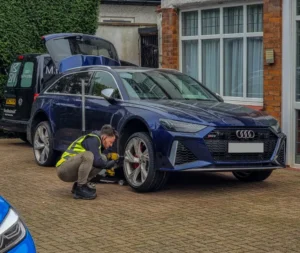
That kind of knock is why so many drivers use our mobile tyre replacement service. We come to your drive or the kerb outside the school, so a damaged tyre doesn’t mean a risky drive to a garage.
This guide explains what city roads do to rubber, and it sits alongside our complete guide to North London tyres. You’ll find local figures and habits that make a set last longer.
Why London Tyres Wear Differently
A tyre on a steady motorway cruise and a tyre on the North Circular at half past five are doing very different jobs. The second one works much harder for its money.
Stop-Start Driving Wears Rubber Faster
Bridgestone’s tyre advice says that when you brake hard, your brake pads and your tyres wear the most, because each hard stop rubs a little rubber off the tread. Even quick stops wear tyres faster than gradual ones, according to Bridgestone’s guide to driving habits.
The same guide notes that abrupt cornering shifts weight onto the outside wheels, and the first sign is usually wear on the shoulders. Think of every mini-roundabout between Barnet and Enfield and you’ll see the problem.
Speed matters as well. Higher speeds generate more heat, which softens the tyre compound and wears it faster, so a sprint along the M25 or the A1(M) between traffic jams isn’t free.
Short Trips Need Steady Pressure
The Highway Code says to check pressures weekly, before a journey, while the tyres are cold. School drop-offs and short hops make that easy to forget, because the car feels fine until it doesn’t.
Our tyre pressure guide explains the numbers and shows where to find the right figure for your car.
Potholes and Kerbs Cause the Worst Damage
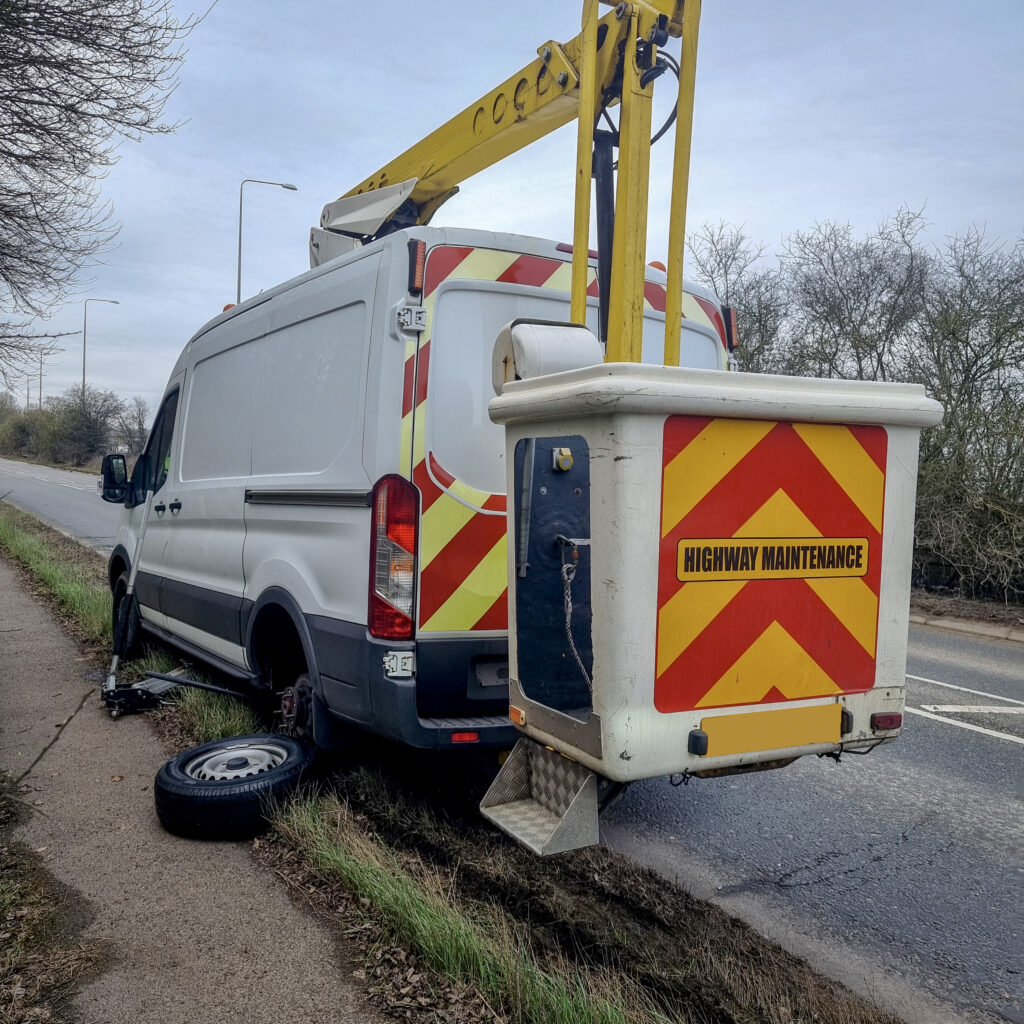
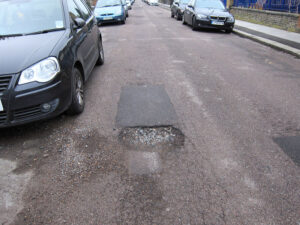
Wear is slow, but a pothole is instant. One bad hit can finish a tyre that had thousands of miles left in it.
What the Latest Pothole Figures Show
The RAC says 6,290 of its members mentioned potholes when logging a breakdown in February 2026, against 1,842 in February 2025. That’s an average of 225 a day, according to the RAC’s March 2026 pothole report.
RAC head of policy Simon Williams said “water is the enemy of the roads”, because it gets in through defects and undermines the surface from underneath. The RAC also says repairs more serious than a puncture can cost up to £590, and its patrols attended 20% more punctures than in the same period a year earlier.
Councils are working hard to keep up. Hertfordshire County Council repaired 16,453 potholes between January and the end of May 2026, the highest number ever, as reported by We Love Hitchin.
In Barnet, reported potholes rose from 1,835 in 2021/22 to 3,041 in 2023/24, an increase of 66%, according to a Freedom of Information response covered by the Barnet Post.
Why Kerb Strikes Matter
Michelin explains that driving onto a kerb, from the front or at an angle, can cause a bulge in the sidewall. Potholes can do the same, and the damage can sit on the inner sidewall where a quick walk-around never sees it.
The key point is that a punctured or cut sidewall can’t be repaired. As Michelin’s advice on damaged sidewalls makes clear, that tyre has to be replaced.
Speed Humps Hurt Suspension More Than Tyres
Michelin says speed bumps don’t damage the tyre itself, though they can damage the suspension. That’s worth knowing in the humped side streets of Finchley and Harpenden, because a worn shock absorber will chew through a tyre later.
If the car bounces more than it used to, get the suspension checked before you blame the tyres.
Signs to Check After a Knock
After any hard hit, look for a bulge or bubble, and pay attention to new vibrations through the steering wheel. Michelin calls bulges one of the most alarming signals a tyre can give.
Cuts and cracks matter too, because deep cuts can reach the structure of the tyre. If you’re unsure, our guide to next-day tyre fitting after a pothole hit explains what to do next.
Crossing the ULEZ Boundary for a Tyre Job
Many of our customers live in Hertfordshire and work in London, or the other way round. The boundary matters more than you’d expect when a tyre needs attention.
What the ULEZ Covers
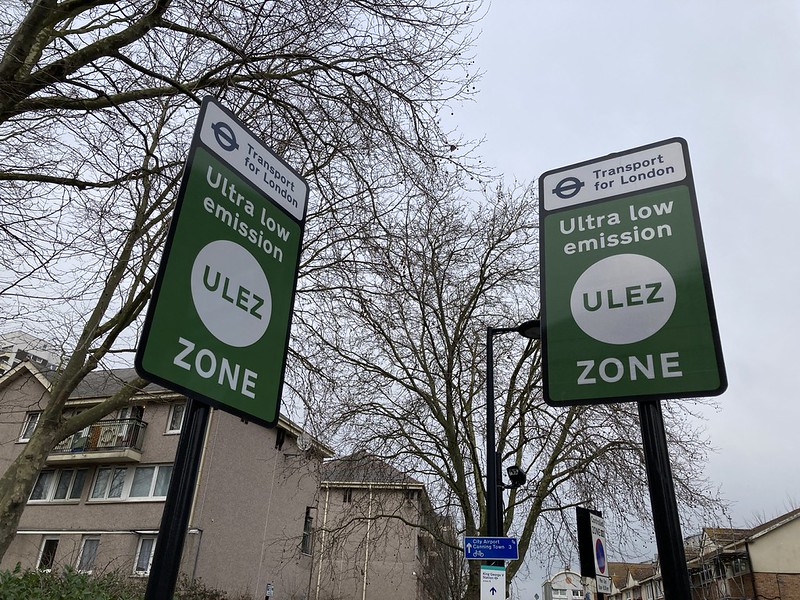
The Ultra Low Emission Zone expanded on 29 August 2023 to cover every London borough. According to Which?, petrol cars must meet Euro 4 and diesel cars Euro 6, or the driver pays £12.50 a day.
That affects choices for anyone shopping for tyres in London, because a garage trip across a borough line can cost more than the fitting itself if the car isn’t compliant.
Why a Fitter Who Comes to You Helps
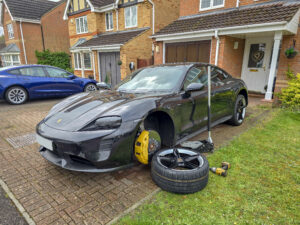
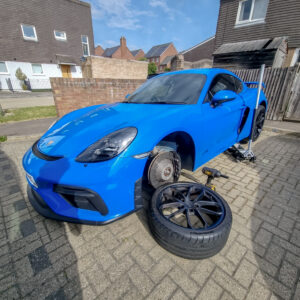
A mobile fitter removes the detour altogether. Our van carries a hydraulic tyre changer and a digital balancing machine, and each tyre usually takes 25 to 30 minutes.
If you work in town, our post on mobile tyre fitting for drivers parked at work shows how the visit fits around your day. After dark, our 24-hour service for North London drivers picks up the slack.
How to Choose Tyres for City Roads
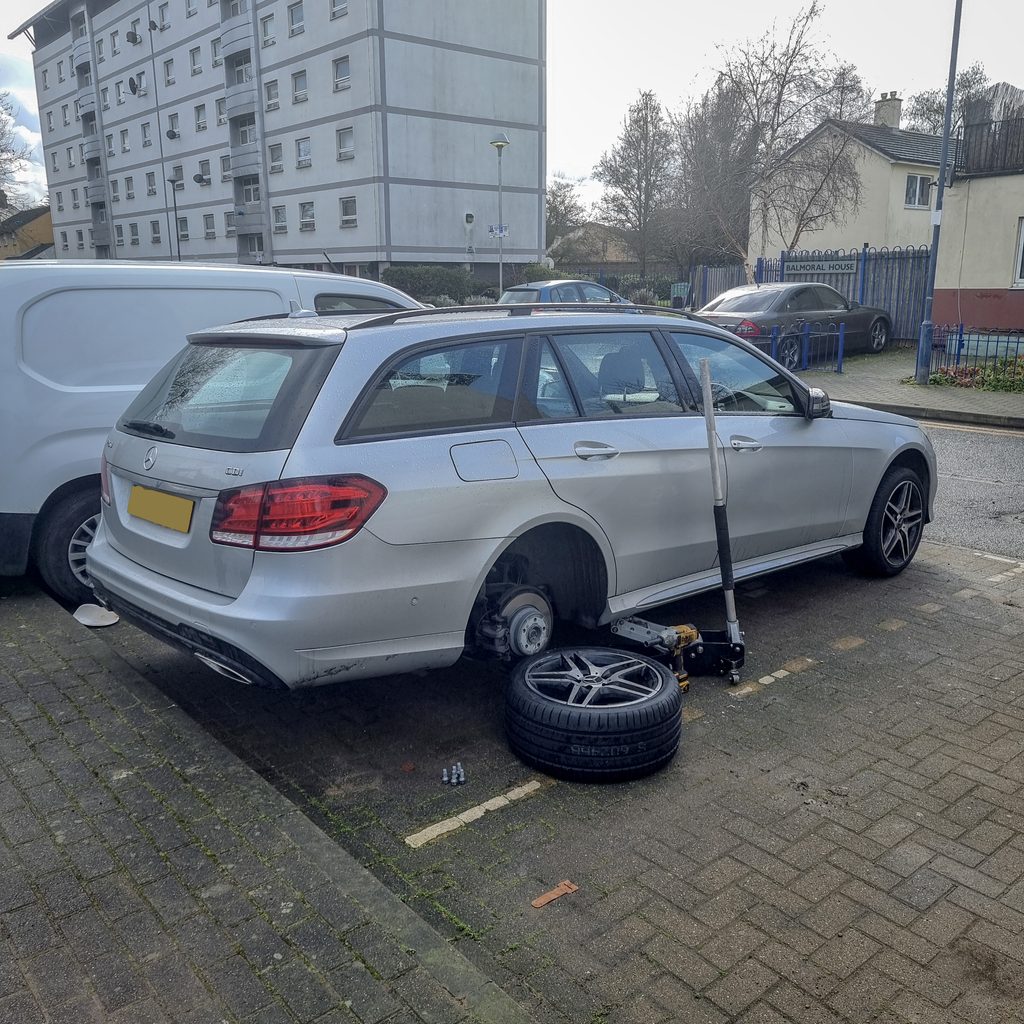
The right tyre depends on how you drive and how much you want to spend. A little thought here pays back for years.
Match London Tyres to How You Drive
We fit budget tyres such as Sailun from £100, mid-range names including Hankook, Firestone, and Yokohama, and premium brands from Michelin, Pirelli, Bridgestone, Continental, Goodyear, and Dunlop. Every price includes the tyre, fitting, a new valve, balancing, and disposal of the old tyre.
Our guide to choosing between budget, mid-range, and premium tyres weighs up the trade-offs. If cost is the main worry, read how to find cheap new tyres without compromising on quality.
Why New Beats Part-Worn on Rough Roads
A tyre with an unknown history is a gamble on streets full of potholes. A Lancashire County Council investigation of 30 part-worn tyres from three garages found that none met the legal requirements.
Some had screws in them, one had a torn sidewall, and one was nine years old. Our post on why we only fit new tyres explains what to ask any supplier.
Read the Tyre Label
Every new tyre label grades fuel efficiency and wet grip from A to G, so you can compare tyres before you buy. Stop-start traffic makes fuel efficiency matter more, and our guide to sustainable tyres in Hertfordshire and North London shows how to read the label.
Replace Earlier on Rough Roads
The legal minimum tread depth for cars is 1.6mm, but we recommend replacing at 3mm. That margin gives you more grip in the wet and more time to book before a tyre becomes a problem.
Our tread depth guide shows how to measure it in under a minute.
Do You Need Winter Tyres in the City
The RAC says winter tyres are designed for temperatures below around 7°C, they aren’t mandatory in the UK, and only a small percentage of drivers fit them. For most London tyres, a good all-season or summer tyre with plenty of tread covers a mild city winter.
Drivers who head up to the Chilterns or the Peak District for the weekend may think differently, and we’re happy to talk it through on the phone.
Keep Pairs Together
When you replace only two tyres, the new pair belongs on the rear axle. Our post on where the best pair of tyres should go explains why.
City Habits That Save Your Tyres
None of these habits cost anything. Together they can add months to the life of a set.
Drive Smoothly and Save Rubber
Bridgestone’s advice is simple, which is to stay calm and drive smoothly to extend tyre life. Leave a bigger gap and read the lights early, so the car can roll to a stop instead of skidding to one.
Treat Puddles With Suspicion
The RAC warns that potholes can hide under standing water, so slow down and steer around puddles where you safely can. A wet February in 2026 caused a surge in exactly this kind of damage.
Look Over the Sidewalls Weekly
Walk around the car once a week and run your eye along each sidewall. Our mobile tyre fitting checklist covers what to check before and after a visit.
Repair Only When It’s Safe
We repair damage in the central tread up to 6mm, to British Standard BS AU 159. Our guide to what to do about a nail in your tyre explains the process.
Sidewall and shoulder damage always means replacement, which is why a kerb strike deserves a proper look.
Getting Your Tyres Fitted Across London and Herts
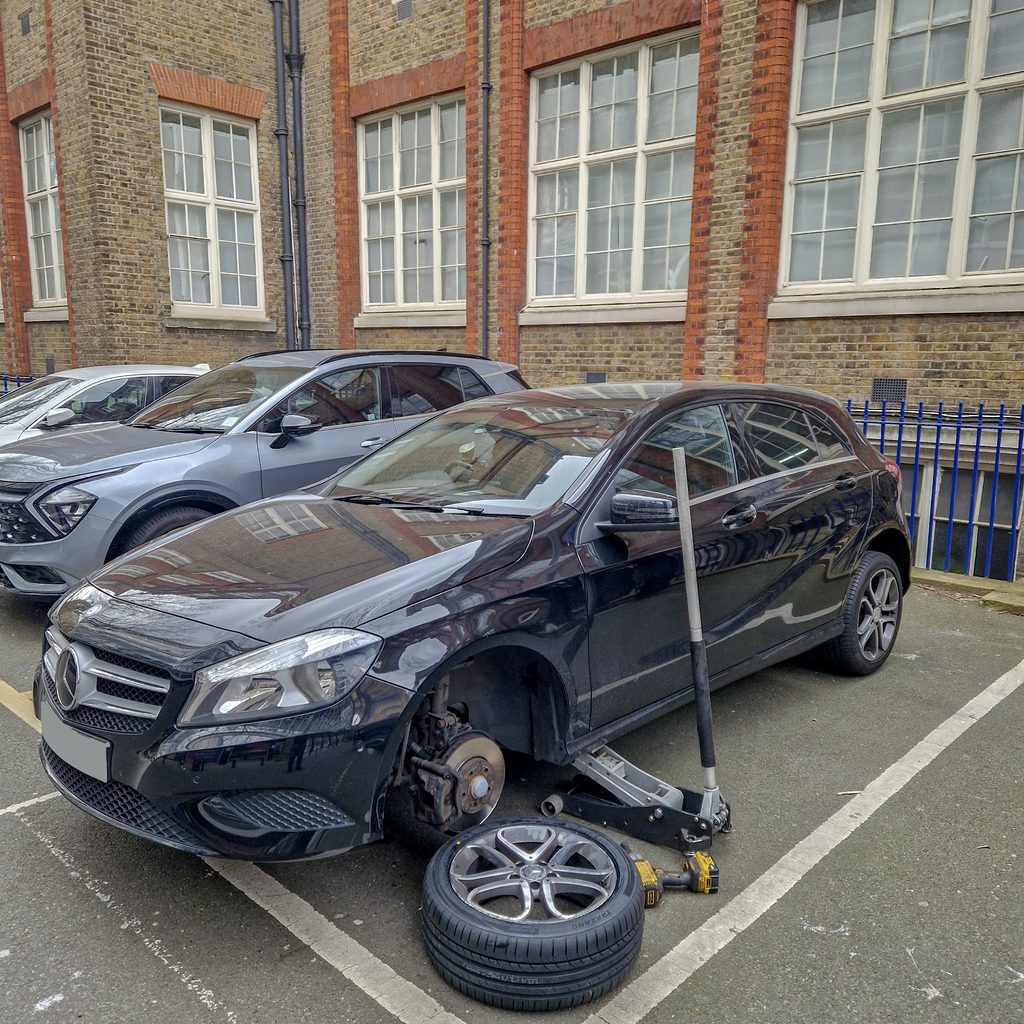
We work from an office in St Albans and cover the whole of Hertfordshire and North London. Wherever you’re parked, the quote you get on the phone is the final price.
Reliable London Tyres Without the Wait
We’re open 24/7, and we fit vans up to 3.5 tonnes as well as cars. Booking is by phone or WhatsApp, and the fitter arrives with your tyre and a new valve.
If you’ve hit something nasty on a London road, you don’t need to limp to a garage. We’ll come to you, and we’ll check all four pressures before we leave.
Anyone looking for reliable tyres in London will find the same standard on every visit, because we fit only new tyres from respected manufacturers.
Local Coverage Across Your Area
Whether you’re after tyre fitting in St Albans or help in Borehamwood, the service is the same. The same goes for Potters Bar and Hatfield, where commuters feel the pothole problem on the way to the capital.
Good London tyres matter just as much on the Hertfordshire side of the boundary, because the same roads carry the same traffic.
Book Your Tyre Fitting Today
Tell us where you’re parked and what size your tyres are, by phone or on WhatsApp, and we’ll quote you the full fitted price straight away. We’ll fit new tyres where you are and take the old ones away.