Bringing You Exceptional
Benefits and Service

Budget tyres fitted from £100

24hr Mobile Tyre Service

Car Tyres

Van Tyres & 4x4 Tyres Fitted

Caravan & Campervan Tyres
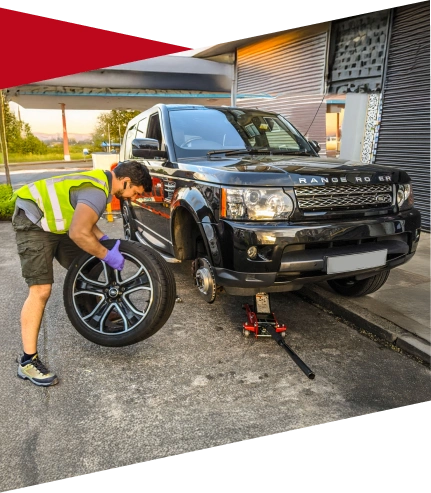
Stranded just off the M25 or caught out on the A1081, we bring fast, professional mobile tyre fitting to you anywhere in London Colney, seven days a week. At home, at work, or on the roadside, our certified fitters come to your door with the tyres and tools to get you moving again the same day.
Call : 07411 448680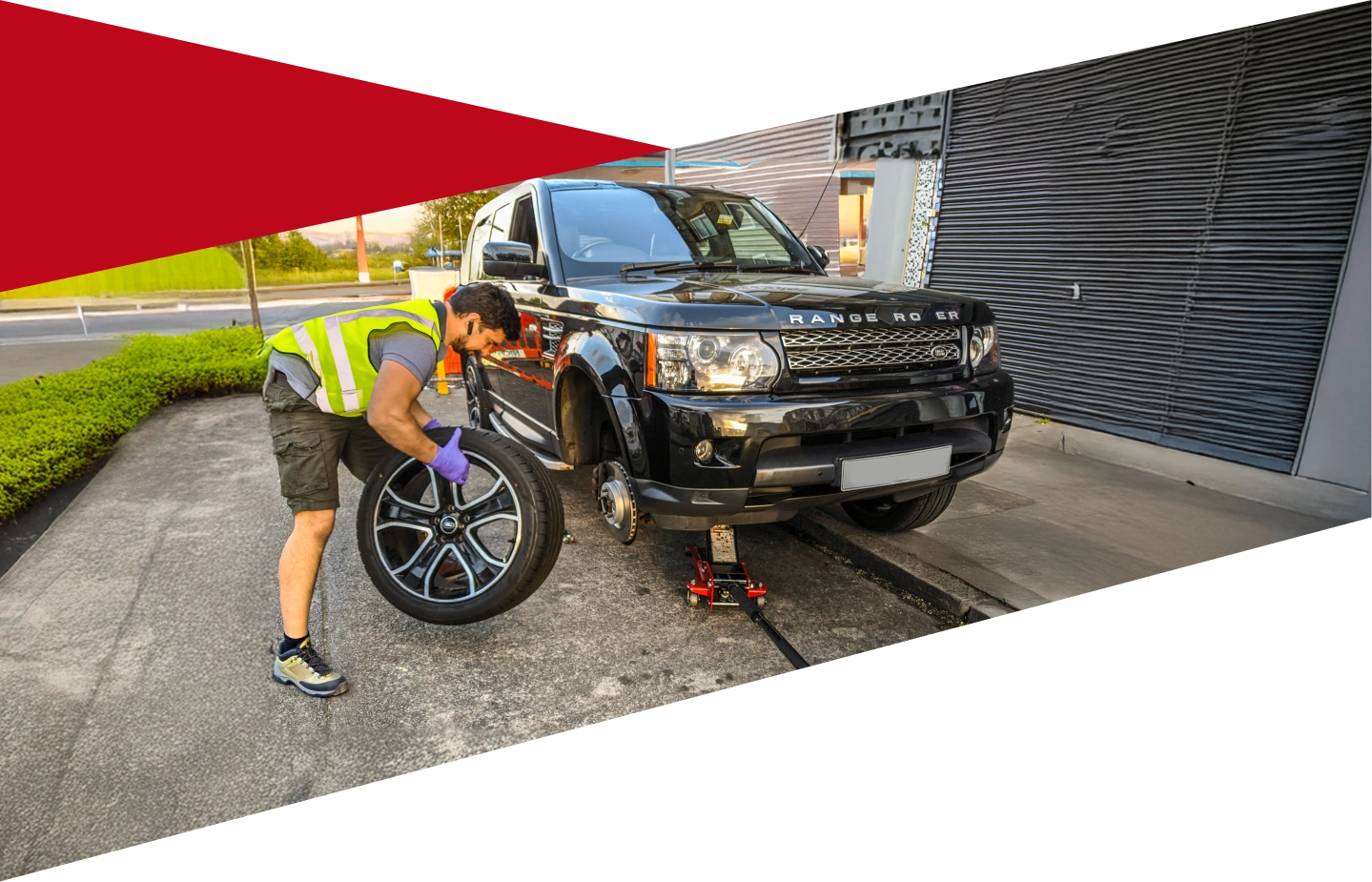
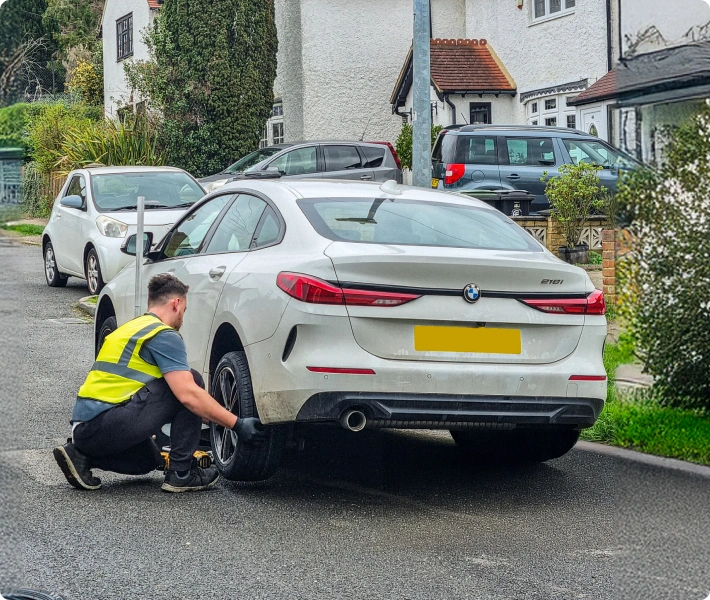
For fast and reliable mobile tyre fitting in London Colney, our experienced tyre fitters provide same-day service. We stock high-quality tyres from leading brands for cars, vans, 4x4s, motorcycles, and trucks, ensuring your safety and convenience.
Our expert team in London Colney is available for routine tyre replacements or emergency call-outs. Whether it's a puncture, worn-out treads, or an urgent tyre replacement, we have a wide selection of tyres to suit both premium and budget-conscious customers.
Contact us today to find the best tyre solutions at our full-service tyre centre in London Colney.
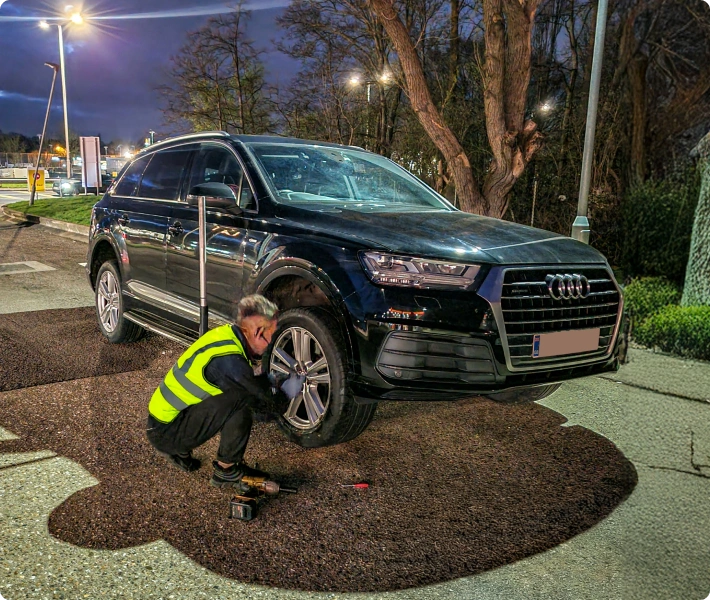
At Olympus Mobile Tyre Fitting, we take pride in our experienced and certified tyre-fitting team. Over the past decade, we have provided expert mobile tyre services in Hertfordshire, ensuring top-tier service for our valued customers.
Our team is trained and certified to handle all tyre-related emergencies. Whether you're stuck with a flat tyre on the roadside or need a quick tyre replacement at home, we are just a call away.
Call : 07411 448680London Colney is one of the largest villages in Britain, sitting about three miles southeast of St Albans and immediately north of the M25. It takes its name from the River Colne, which winds through the parish, and its roots run deep. The Domesday Book of 1086 records the area as woodland and mixed farmland, and there's evidence of settlement stretching back through Roman times to the prehistoric hunter-gatherers who left tools by the river. For centuries it grew along the old coaching route between London and the north, expanding through the 19th century as transport improved and again in the 20th with post-war housing and a nearby RAF fighter station.
The village's landmarks reward a closer look. Telford's Bridge, a handsome seven-arched brick structure built in 1774, carries Barnet Road over the Colne and holds Grade II listed status. The High Street keeps a run of listed 18th-century buildings, and St Peter's Church anchors the older part of the village. On the southern edge stands the All Saints Pastoral Centre, a Grade II* listed former convent built in 1901 for the All Saints Sisters, later acquired by the Roman Catholic Diocese of Westminster and arranged around a peaceful quadrangle garden. In its grounds lies Chantry Island, a Scheduled Monument that was once a genuine island in the middle of the Colne.
Today London Colney is a lively, mixed community wrapped by farmland and semi-natural grassland typical of the Colne valley. Its position is its defining feature. The M25 sits right on the doorstep, the A1081 and Barnet Road run straight through, and St Albans, Watford, and North London are all a short drive away, which makes it a busy through-route for commuters and local traffic alike. That constant flow of vehicles on fast surrounding roads is exactly where a mobile tyre service comes into its own, reaching drivers wherever a puncture or blowout leaves them stuck.
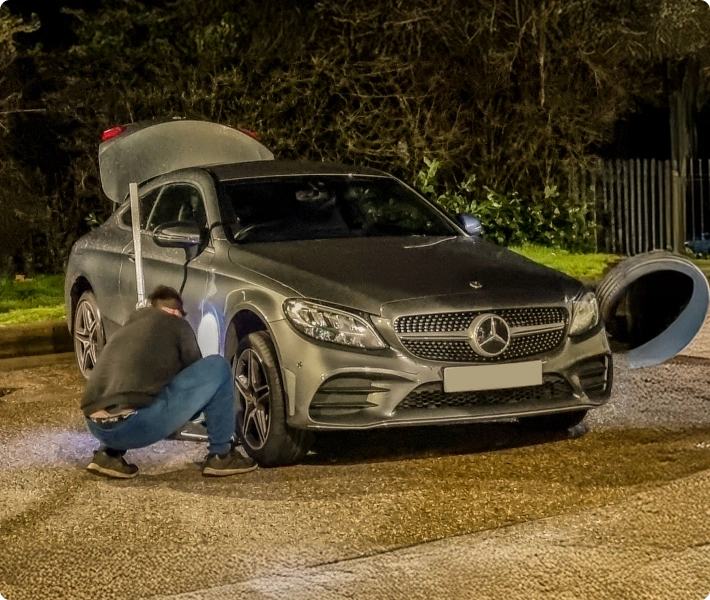
Our mobile tyre fitting service in London Colney and the surrounding areas includes:
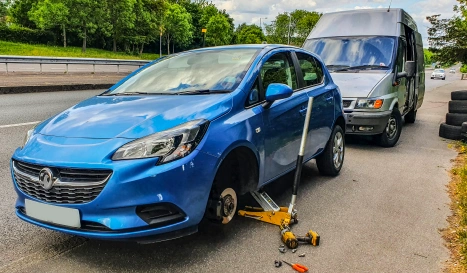
Our professional mobile tyre fitters provide quick and hassle-free tyre fitting in London Colney, Cheshunt, St Albans, and Hertfordshire. We work with leading car manufacturers like BMW, Ford, Toyota, Honda, Nissan, and Mazda.
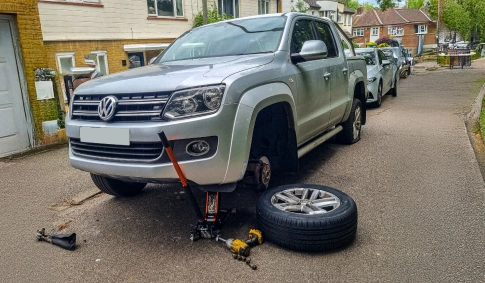
Need urgent mobile tyre fitting in London Colney? Our 24/7 emergency tyre fitting service ensures you’re back on the road safely, whether you're at home, work, or on the roadside.
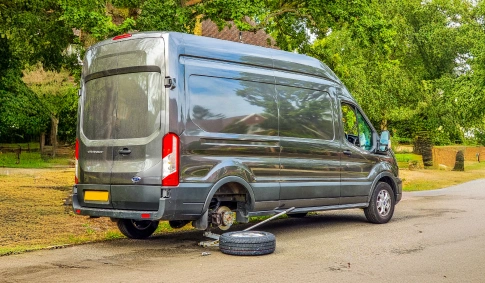
We offer damage-free mobile locking wheel nut removal across London Colney and surrounding areas, ensuring your vehicle remains in perfect condition.
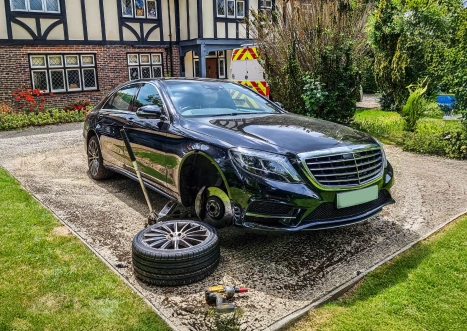
Flat tyres caused by nails, screws, or road debris? Our mobile service ensures a quick and safe fix for your vehicle.
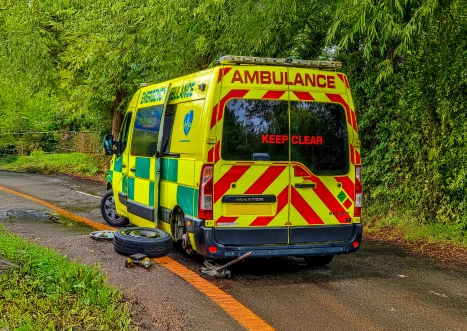
From standard van tyres to 4x4 and off-road tyres, our fitters bring the right solution to your location. We cater to all vehicles up to 3.5 tonnes.
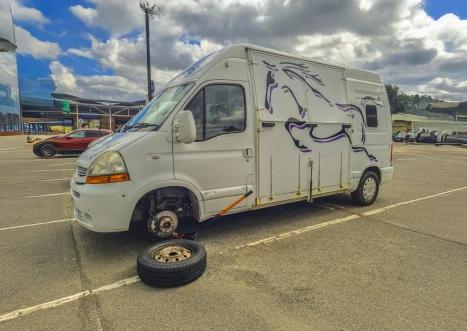
Avoid disruptions to your journey with fast and reliable caravan tyre replacements in London Colney, Hatfield, and surrounding areas.
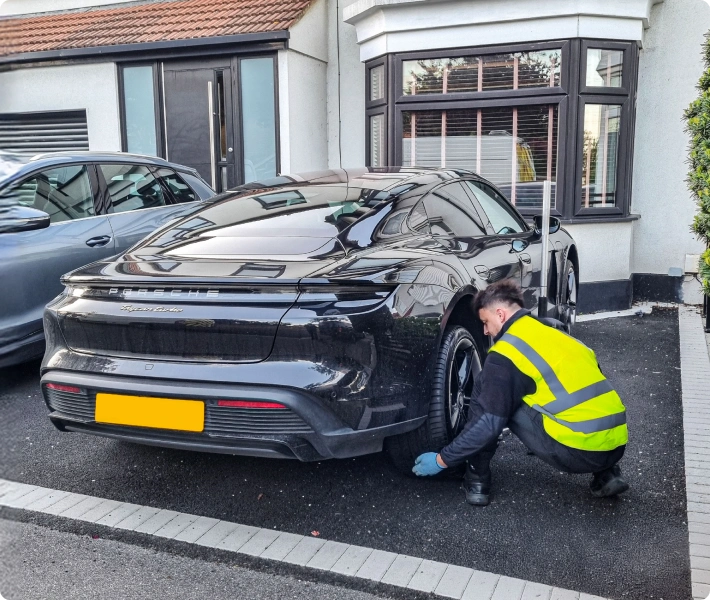
Finding your tyre size is simple. Check the sidewall of your existing tyre where the manufacturer prints the size. If unavailable, look in your car’s handbook or use your vehicle registration number online to find the correct size.
For some high-end vehicles, front and rear tyres may differ, so double-check before purchasing.
Call : 07411 448680Debit and credit cards, Visa, Amex, NFC payment, Apple Pay, PayPal Credit, and bank transfer are all now accepted payment methods.






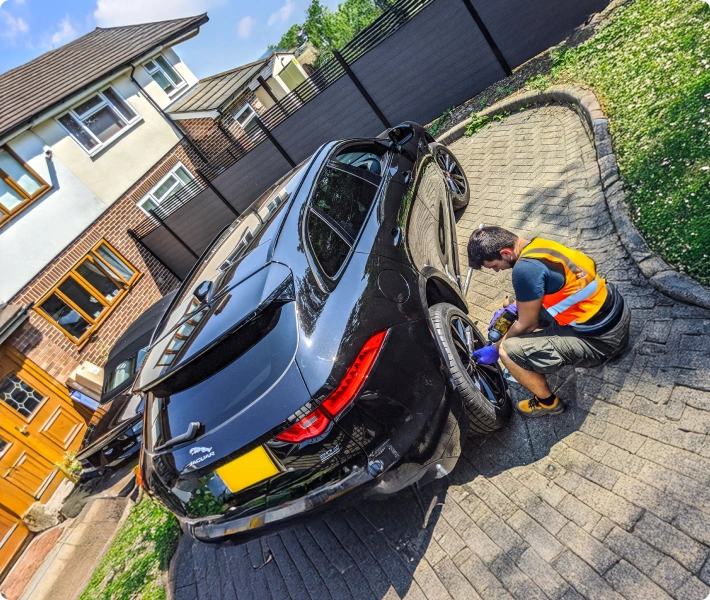
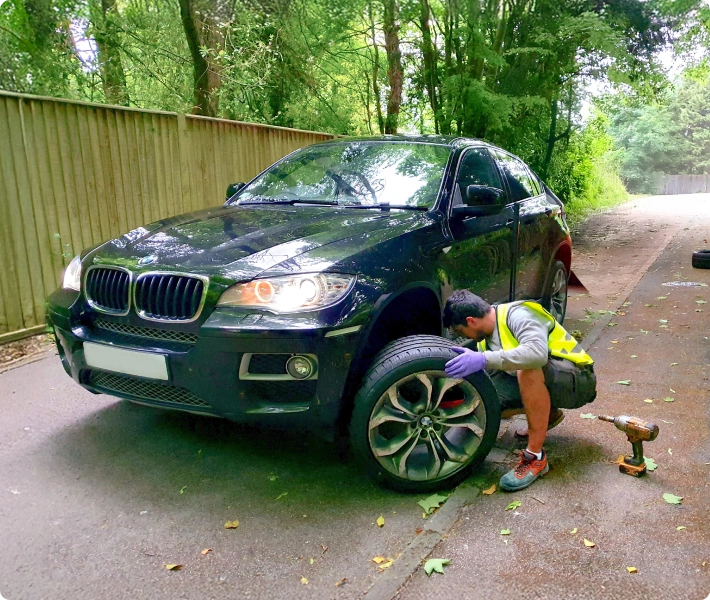
Olympus Mobile Tyre Fitting is your trusted independent mobile tyre service provider in Hertfordshire. Conveniently based in St Albans, we cover London Colney, Hatfield, Cheshunt, and surrounding areas, ensuring fast and efficient service 24/7.
For expert mobile tyre fitting in London Colney, give us a call today!
Call : 07411 448680