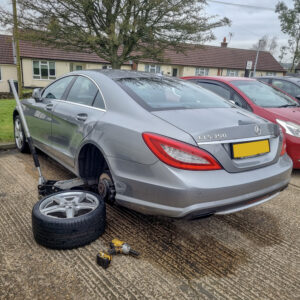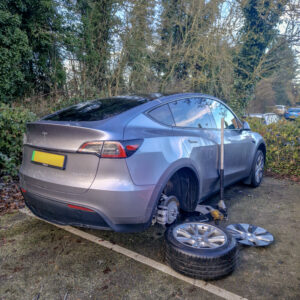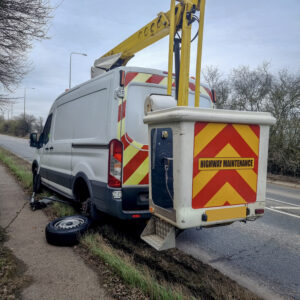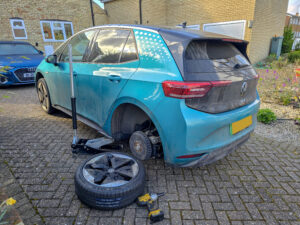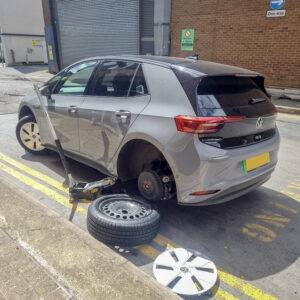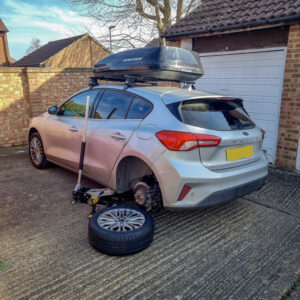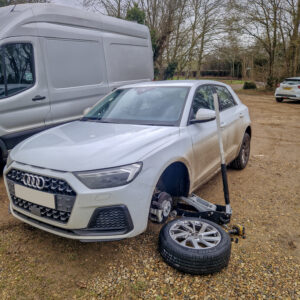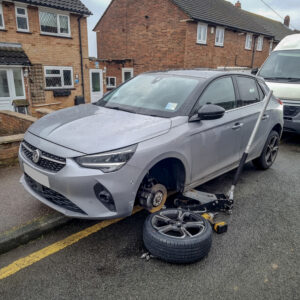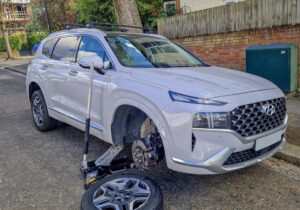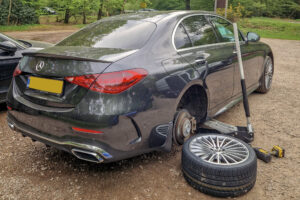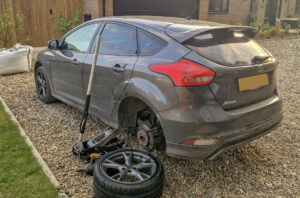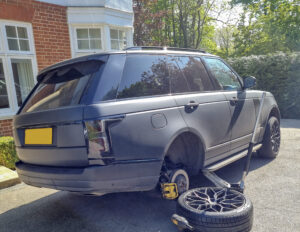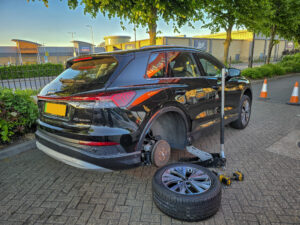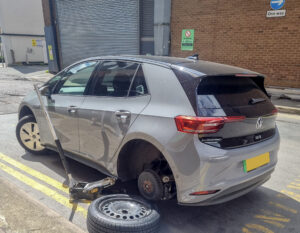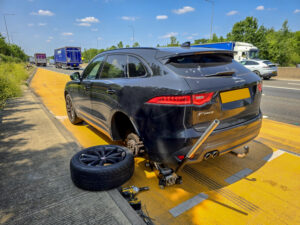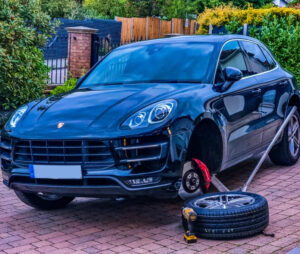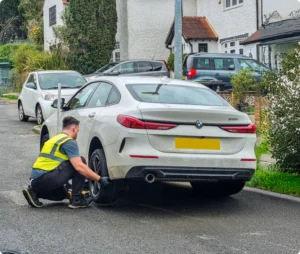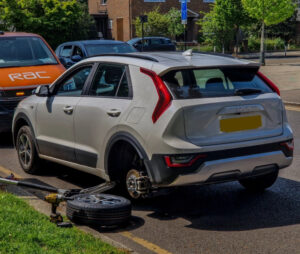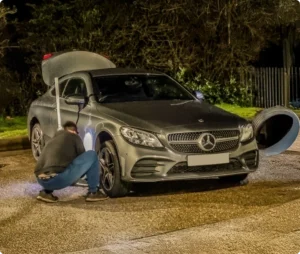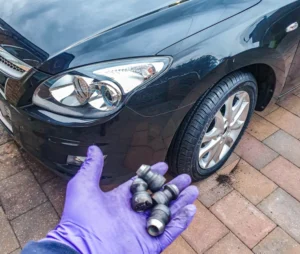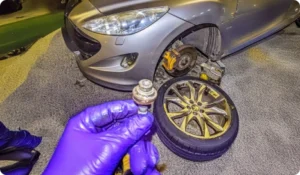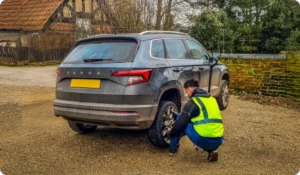
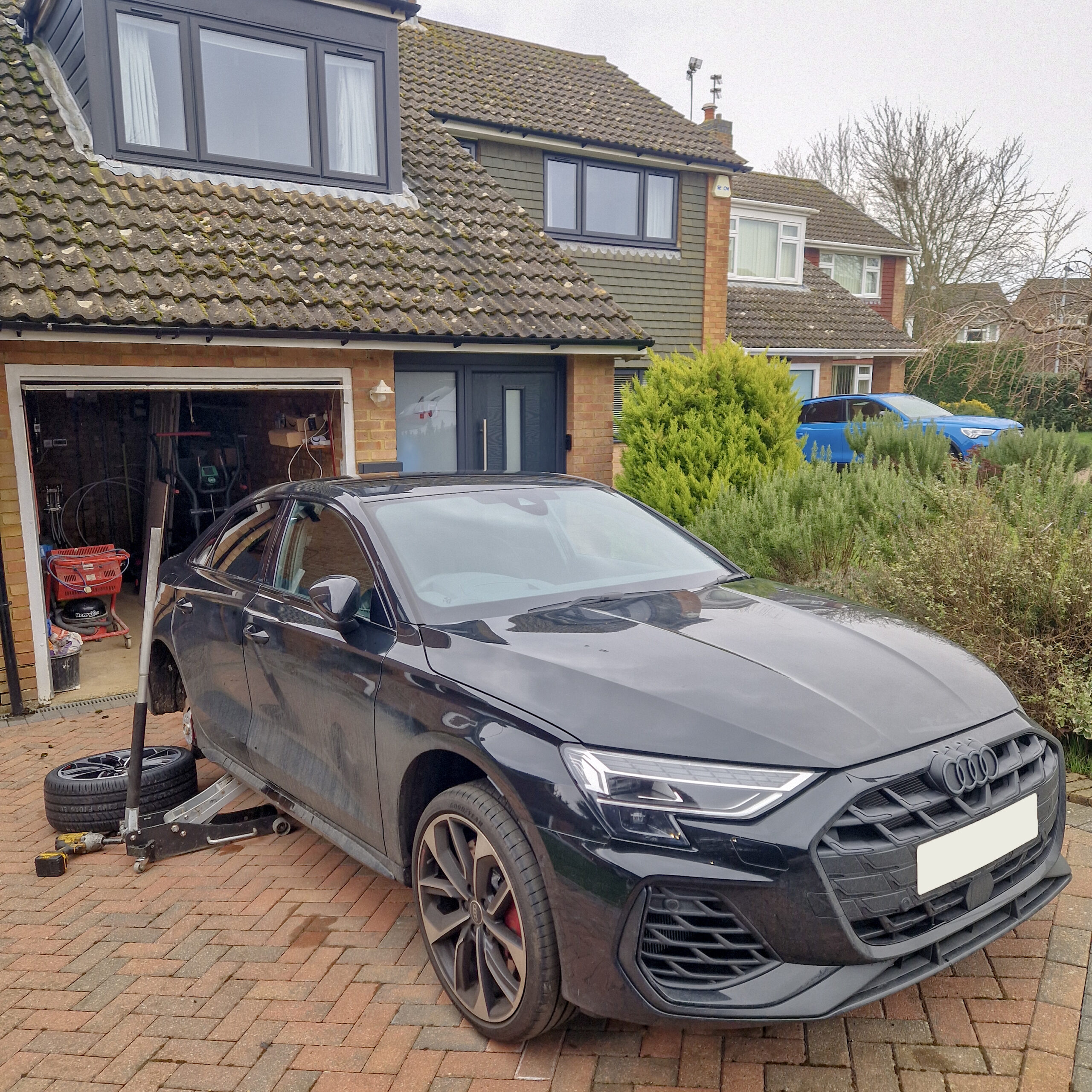
Every week, someone in Hertfordshire or North London stands over a flat tyre and asks us the same nervous question. Can a puncture be repaired, or is this the end of the road for the tyre? It’s a fair question, because a repair is cheaper, faster, and a lot less annoying than a full replacement, but not every puncture qualifies. Here’s what we look for before we say yes or no, based on what we see on driveways and roadsides across our patch every single day.
So, Can a Puncture Be Repaired? It Depends on Three Things
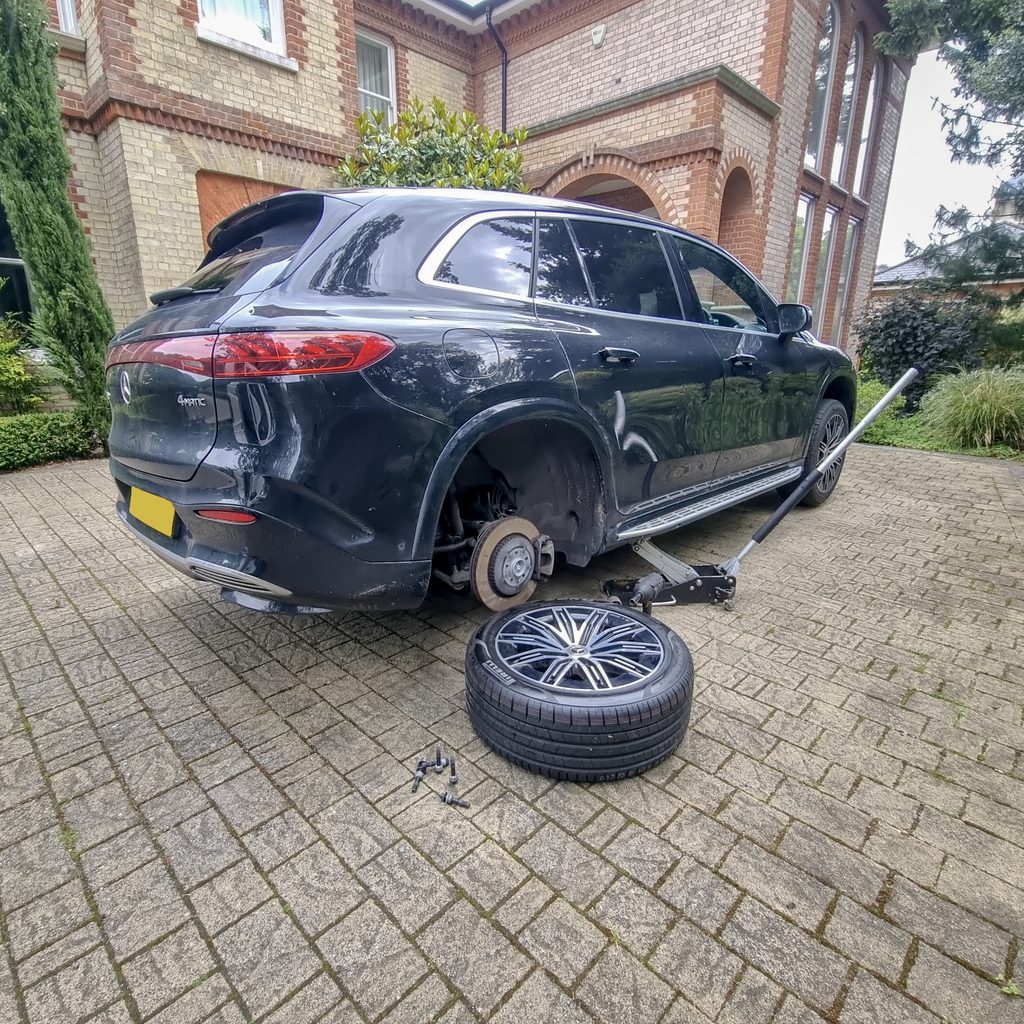
There’s no single rule that covers every puncture, which is exactly why so many drivers get conflicting advice. What decides the answer is where the damage sits on the tyre, how big it is, and what state the rest of the tyre is in. Get all three right and a repair is usually straightforward. Get one wrong and you’re looking at a replacement instead. For the full picture on everything from cost to the repair process itself, our complete guide to tyre puncture repair covers it end to end.
We’d rather tell you honestly on the driveway than string you along for a repair that won’t hold. It doesn’t do us any favours long term, and it definitely doesn’t do you any favours at 70mph on the M25. We’re often asked if that means we turn jobs away all the time, and honestly, we don’t. Most punctures we see are perfectly repairable, sitting neatly in the middle of the tread with nothing more sinister behind them.
Can a Puncture Be Repaired in the Central Tread Only?
Yes, and this is the part most drivers haven’t heard of until we explain it. UK repairs follow the tyre repair rules in the UK, set out in British Standard BS AU 159. This limits safe repairs to the central three-quarters of the tread, an area we call the T-zone. Anything closer to the shoulder or sidewall is off limits, no matter how small the hole looks.
Every BS AU 159 puncture repair also has a size limit. The hole can’t be more than 6mm across, which covers the vast majority of nail and screw punctures we deal with day to day. Bigger than that, and the tyre’s structure has usually taken more damage than a patch can safely fix. Run-flat tyres follow a stricter set of rules again, and that’s a big enough topic to deserve its own article. The short version is that most manufacturers would rather see them replaced.
Why Sidewall Damage Rules Out a Repair
Sidewall puncture repair isn’t something we’ll ever attempt, and we’d be suspicious of any fitter who says they will. The sidewall flexes constantly as the tyre rolls, and it carries load in a completely different way to the tread. A patch there simply can’t be trusted to hold at speed. So can a puncture be repaired if the damage sits on the sidewall? Never safely, and no responsible fitter should try.
We had a customer in St Albans a while back whose tyre had picked up a scrape from a kerb, right on the sidewall. It looked minor from a distance, barely bigger than a coin, but there was no safe way to repair it. We used our mobile tyre replacement service to sort her out there and then, instead of taking a chance on something that could fail on the school run. Her name’s been changed here, along with every other customer mentioned in this article, purely to protect their privacy.
We see the same pattern on tighter streets right across our patch, from the narrow roads near Chipping Barnet to the parking bays around Wood Green. A sidewall scrape often looks harmless at first glance, which is exactly why we always check it properly instead of taking a driver’s word that it’s “just a scuff.”
Nails, Screws, and the Everyday Culprits We See on the Job
Nail in tyre repair calls make up a huge chunk of what we do, and they’re usually the easiest jobs on our list. A nail sitting cleanly in the tread, well inside the T-zone, is often a fifteen-minute fix once we’re on site.
One of our regulars in Radlett called us after her tyre pressure light wouldn’t switch off, convinced something serious was wrong with the car. It turned out to be a single roofing nail, picked up outside a building site, sitting neatly in the centre of the tread. We had her back on the road before her coffee went cold. Not every job is that simple, and if you’re ever genuinely stuck instead of just curious, our emergency tyre fitting team covers exactly that kind of callout.
A regular in Cheshunt had a similar scare after picking up two separate punctures within the same month, both from loose screws near a local car park. Neither hole was anywhere near the size limit, so both were straightforward repairs. It’s the kind of thing that makes you wonder what’s lying around on the tarmac out there.
When to Replace Instead of Repair
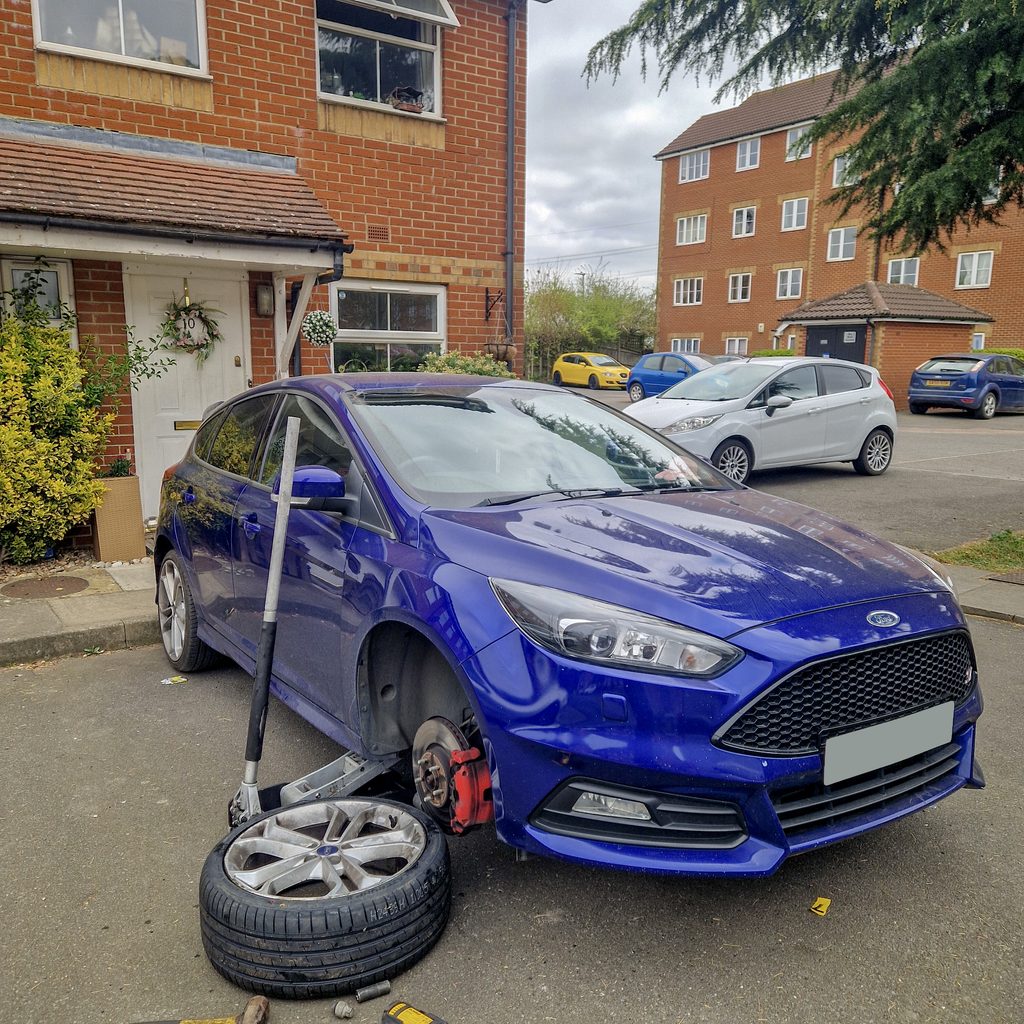
Knowing when to replace instead of repair is as much a part of the job as the repair itself. We’ll always tell you straight if a tyre’s beyond saving, even if that’s not what you were hoping to hear.
A few situations rule out a repair completely:
- The puncture sits outside the central three-quarters of the tread
- The hole is wider than 6mm across
- There’s visible cracking, bulging, or previous repair work nearby
- The tyre’s tread has already worn close to the legal 1.6mm limit
Can a puncture be repaired once the tread’s worn that close to the limit? Not safely, which is exactly why tread depth is always part of our check, even when the puncture itself looks like an easy fix. The official government guidance sets out exactly what an MOT tester checks for, and it’s worth a look if you want the detail behind the 1.6mm figure.
If any of those apply, we won’t pretend a puncture can be repaired just to get the job done quicker. It’s not worth your safety, and it isn’t worth our reputation either. We’d genuinely rather lose the job than send someone away on a tyre we’re not confident in.
What We See Most Often in North London and Hertfordshire
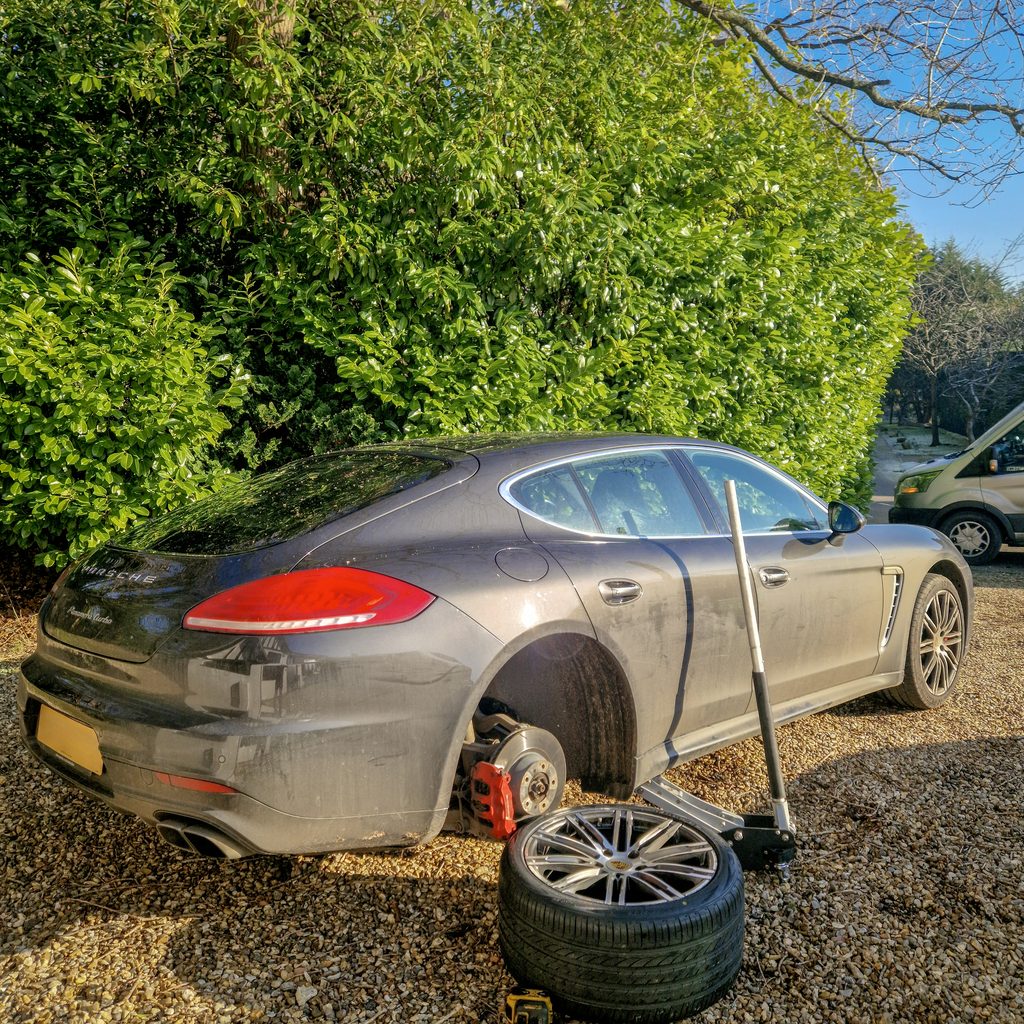
Every area throws up its own quirks. Around Cheshunt and Borehamwood, we see a lot of kerb-related sidewall damage from the tighter residential streets. A tight three-point turn can catch the edge of a tyre without the driver even noticing at the time. Further out towards Ware and Wheathampstead, it’s usually loose flint and stone chippings on the country lanes doing the damage instead.
Over in North London, particularly around Wood Green and Ilford, we get called out more often for slow leaks than sudden blowouts. We’d put that down to a mix of tighter parking and general wear on busier roads. Wherever you’re based, a couple of habits go a long way, and TyreSafe backs this up too. Check your tyre pressure monthly, glance at the tread when you walk past the car, and don’t ignore a dashboard warning light just because the tyre still looks round. If you’d rather read up on the difference between doing this yourself and calling someone in, our piece on mobile repairs versus garage repairs breaks it down properly.
Get a Straight Answer From Someone Who’ll Look Properly
Guessing if your tyre’s safe to repair from a photo or a phone call isn’t something we’re willing to do, because it’s your safety on the line, not ours. The only honest way to answer the question is to get the tyre off the wheel and inspect it properly. That’s exactly what we do on every callout across Hertfordshire and North London. We’ll tell you straight away whether that means a quick patch or a full replacement, and we won’t leave until you’re back on the road safely either way.
If you’ve got a puncture that needs a proper look, our mobile tyre repair service can have a technician with you fast, wherever you are.