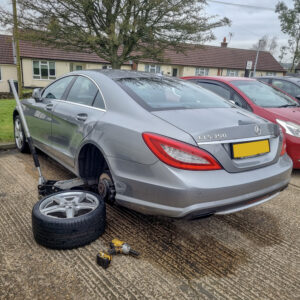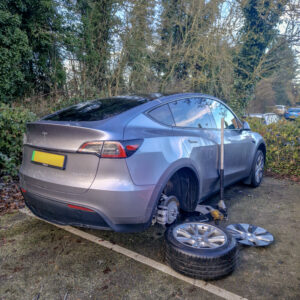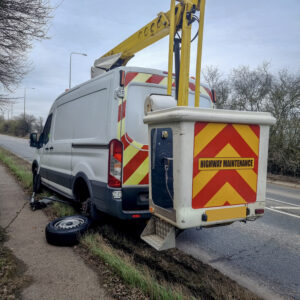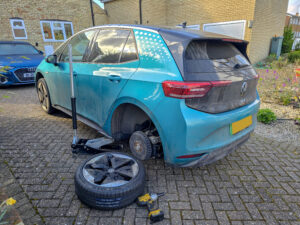
Run-flat tyres solve one problem brilliantly and create a few others most drivers don’t find out about until it’s too late.
They’re increasingly common as standard fitment on BMWs, Minis, and a growing list of other manufacturers, often paired with cars that don’t carry a spare wheel at all. We cover general tyre health in our complete guide to tyre puncture repair, but run-flats work differently enough to deserve their own explanation.
This guide covers what they are, what they cost, and if you genuinely need them if you’re choosing tyres yourself.
What Makes a Run-Flat Tyre Different
A run-flat tyre has reinforced sidewalls, strong enough to support the weight of the car for a limited distance even after a total loss of air pressure. A standard tyre collapses almost immediately once it’s flat. A run-flat one stays rideable, if uncomfortably so.
That distance is usually somewhere between 50 and 100 miles, at a reduced speed, typically capped around 50mph. It’s meant to get you to a garage, not to your holiday destination.
The exact figure varies by manufacturer and tyre size, and it’s usually printed in the vehicle handbook instead of on the tyre itself. Treating it as a rough guide instead of an exact number is the safer approach. The true limit depends on how much weight the car’s carrying and how badly the tyre’s already damaged.
Because of this, cars fitted with run-flats often skip a spare wheel entirely. It saves weight and boot space, on the assumption that the run-flat itself buys enough time to reach help.
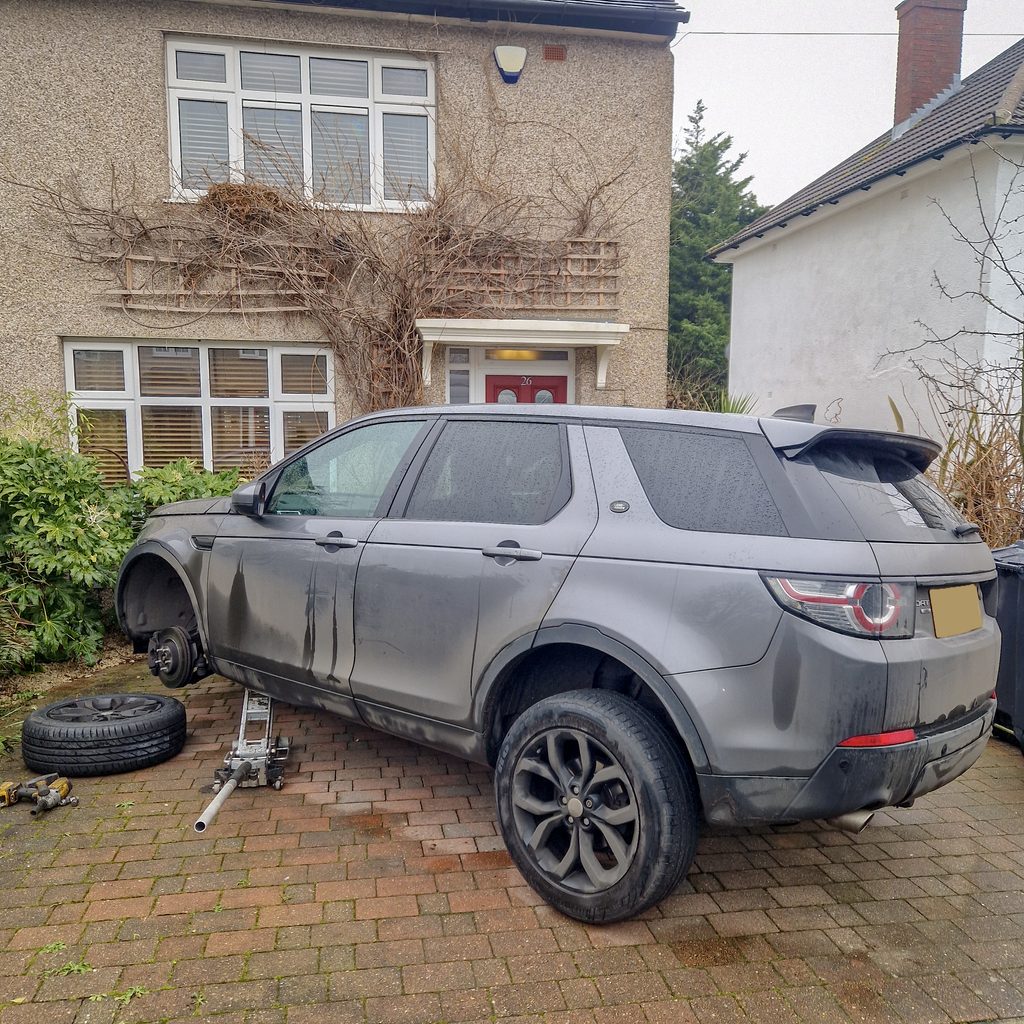
Can Run-Flat Tyres Be Repaired?
Generally, no. Most tyre manufacturers advise against repairing a run-flat under any circumstances, and most reputable fitters, including us, follow that guidance.
The reinforced sidewall that makes a run-flat work is exactly what makes it hard to inspect properly. Once a run-flat has been driven on while flat, even briefly, the internal structure can suffer damage that isn’t visible from outside. There’s no reliable way to confirm it’s safe again.
Why Most Run-Flat Tyre Repair Attempts Get Refused
It comes down to risk versus reward. A standard tyre repair, done to British Standard BS AU 159, has decades of data behind it showing it holds up safely. Run-flat tyre repair doesn’t have the same track record, mainly because the tyre’s own design works against a reliable inspection.
A fitter who agrees to patch a run-flat is taking a risk most aren’t willing to take on your behalf. We’d rather turn the job down honestly than hand back a tyre we can’t vouch for.
Some drivers assume a small nail or screw, sitting neatly in the centre of the tread, ought to be an easy fix regardless of tyre type. The location of the damage isn’t the issue with a run-flat. It’s that the sidewall’s own construction makes it impossible to rule out hidden internal damage with any confidence.
Run-Flat Tyre Replacement: What to Expect
Run-flat tyre replacement is generally the only responsible option once one’s been driven flat, even for a short distance. The process itself is the same as fitting any tyre. Removing the old one, fitting the new, and balancing the wheel.
The difference is what happens beforehand. A fitter will check if the wheel itself has taken any damage from being run underinflated. The rim often bears more strain on a run-flat than it would on a standard tyre in the same situation.
What Run-Flat Tyres Cost in the UK
The cost of run-flat tyres in the UK typically runs 20% to 40% higher than an equivalent standard tyre, depending on the brand and size. Reinforced construction simply uses more material and a more complex manufacturing process.
A mid-range standard tyre might cost £80 to £120 fitted. The run-flat equivalent for the same car often lands closer to £120 to £180. Premium brands and larger sizes push that higher again.
Fitting itself typically costs the same either way, since the labour involved doesn’t change much. The extra cost sits almost entirely in the tyre itself.
Buying in sets instead of one at a time is worth considering if you’re due a replacement anyway. Mismatched tread depth or tyre age across an axle can affect handling. It’s a more common issue on run-flats simply because a single puncture forces a decision sooner than most drivers plan for.
Run-Flat vs Standard Tyres: Which Is Worth It
A run-flat vs standard tyre decision usually comes down to what you value more. Peace of mind after a puncture, or a cheaper, more comfortable ride day to day.
Run-flats tend to give a firmer ride, since the reinforced sidewall that lets them run flat also makes them stiffer generally. Road noise is often slightly higher too. Neither is a dealbreaker, but both are noticeable if you’re used to standard tyres.
Standard tyres are cheaper, generally more comfortable, and give you the flexibility to fit a genuine spare wheel if your car has room for one. The tradeoff is that a puncture stops you immediately instead of giving you a limited distance to reach help.
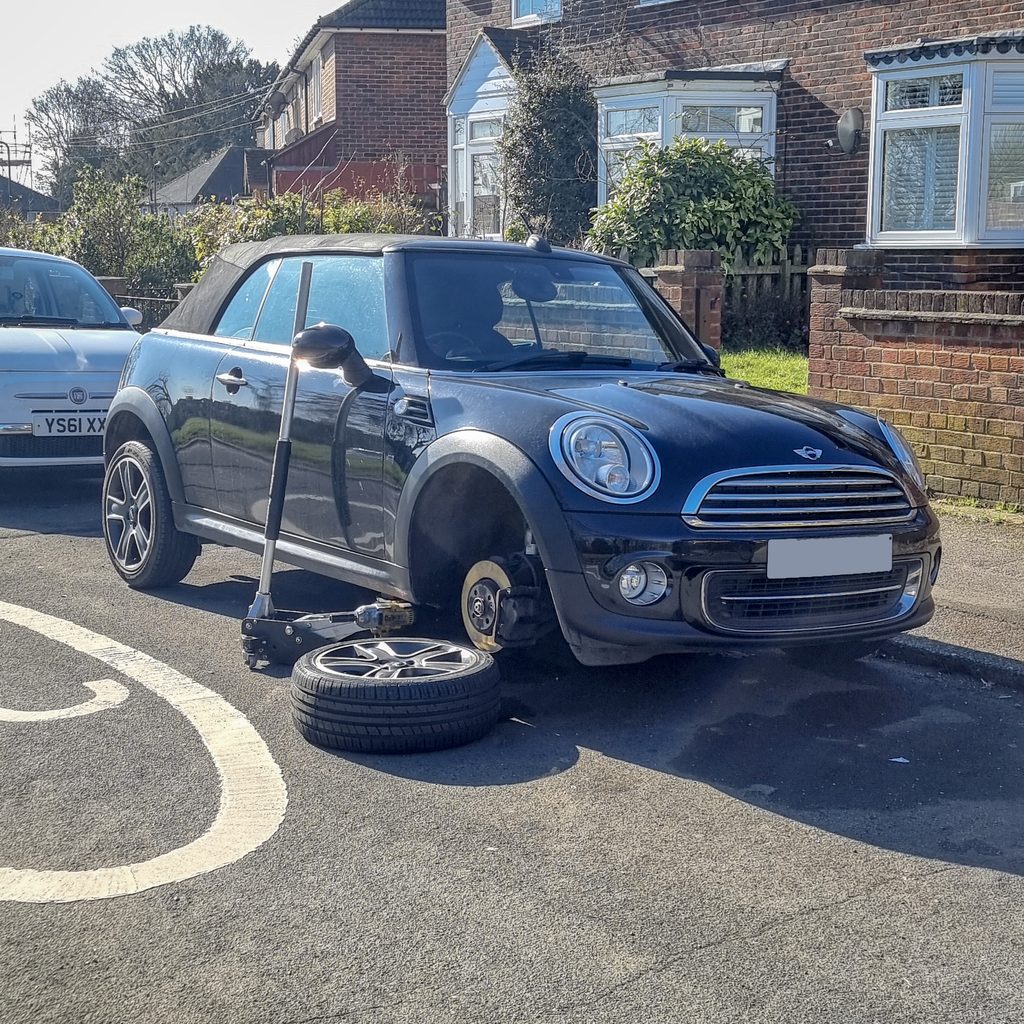
Do You Really Need Run-Flats?
If your car came fitted with them from the factory and has no spare wheel, sticking with run-flats is usually the sensible choice. The whole car’s been designed around that assumption.
If you’re replacing tyres on a car that didn’t originally have run-flats, there’s rarely a strong reason to switch to them. Fitting a proper spare wheel, if there’s room, often serves you better for less money.
There’s also a practical middle ground worth knowing about. Some drivers with run-flat cars choose to carry a compact emergency inflator and sealant kit as a backup. It’s a way of accepting the run-flat’s own limitations instead of relying on it alone for every possible failure.
The official MOT inspection guidance doesn’t distinguish between run-flat and standard tyres when it comes to tread depth and condition checks. Both are held to exactly the same legal standard once they’re on the car.
A Case Study From Abbots Langley
A customer in Abbots Langley, who we’re calling Sophie here to protect her privacy, picked up a puncture on her BMW. She carried on driving for around fifteen miles before pulling over, assuming the tyre would simply need a quick patch.
It couldn’t be repaired. The run-flat had been driven while completely flat, and there was no way to confirm the internal structure hadn’t been compromised, even though it looked fine from outside. We explained honestly that we don’t stock run-flat tyres ourselves, and talked her through whether her BMW could safely run on a standard tyre instead.
She mentioned afterwards that she hadn’t realised her car didn’t carry a spare at all, and had assumed the tyre’s ability to keep running meant it was somehow still fixable. That’s a common and understandable mix-up. The tyre getting you home safely and the tyre being repairable afterwards are two completely different things.
TyreSafe makes the same point in its own guidance, and it’s worth reading if you’re new to running run-flats and unsure what to expect from them day to day.
Get a Straight Answer on Your Run-Flats
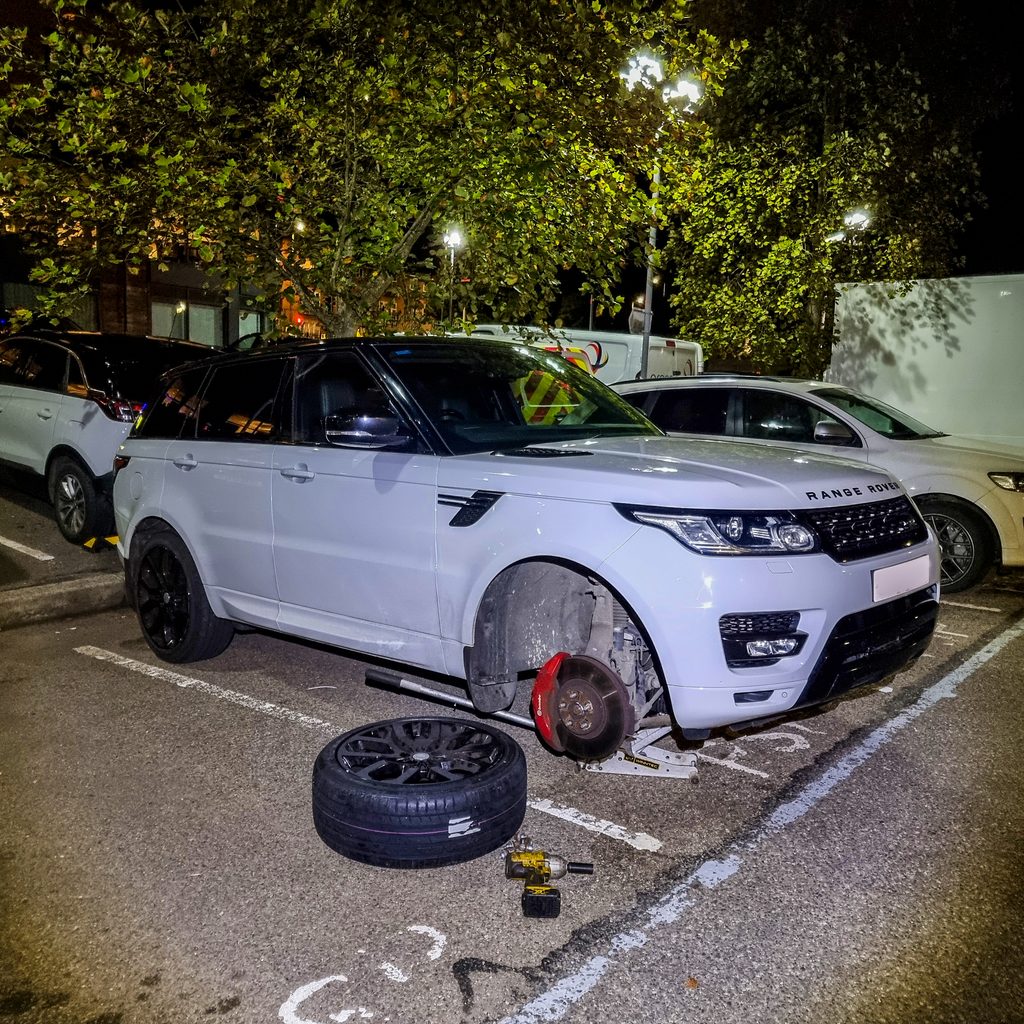
Run-flats aren’t complicated once you know the two things that matter. They generally can’t be repaired, and they’re usually worth keeping if your car was designed around them.
If you’ve picked up a puncture on a run-flat, our mobile tyre repair service will assess it honestly instead of promising a patch that won’t hold. If your car can safely take a standard tyre instead, our mobile tyre replacement service can usually have you sorted the same day.
If you’re stuck somewhere awkward and need reassurance we’re genuinely available, our piece on 24-hour mobile tyre fitting in London answers that honestly too. Our mobile tyre fitting service covers the whole job wherever you’re stuck. For anything that simply needs sorting today, our same-day tyre fitting service covers it.
One thing worth being upfront about: we don’t stock run-flat tyres ourselves. We’ve found that traditional, high-quality tyres from respected manufacturers give most drivers a better balance of comfort, cost, and long-term reliability, and that’s what we focus on fitting. If your car can take a standard tyre instead, we’re happy to talk you through if that’s a sensible switch.
Prefer to call? Ring us on 07411 448680.