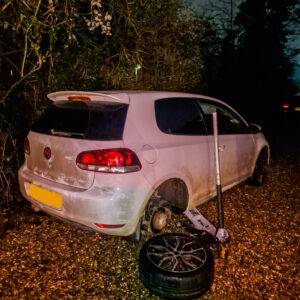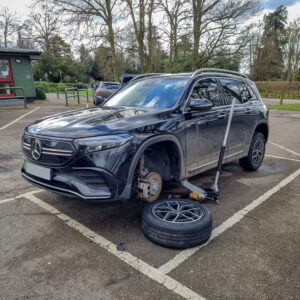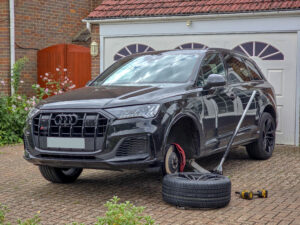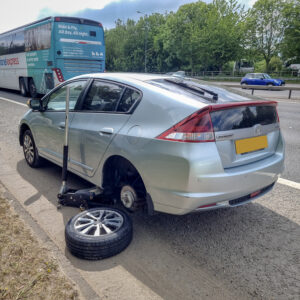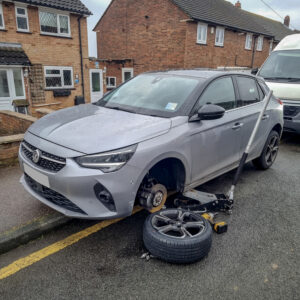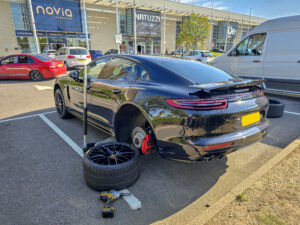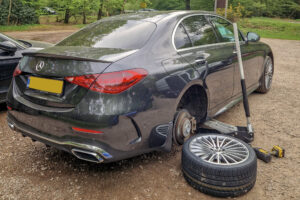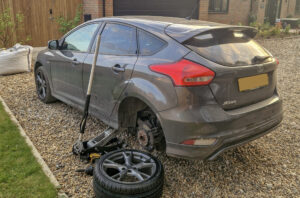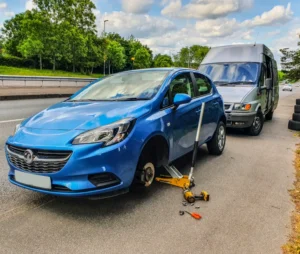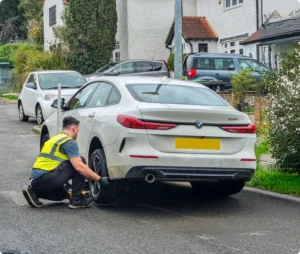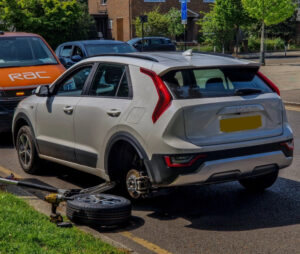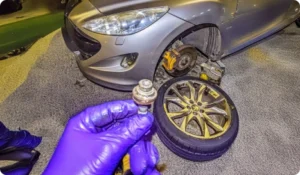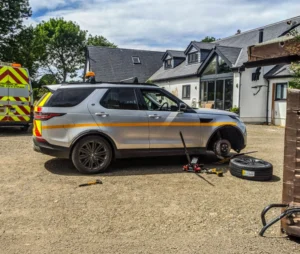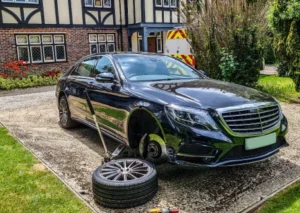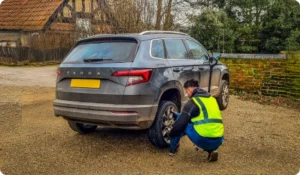
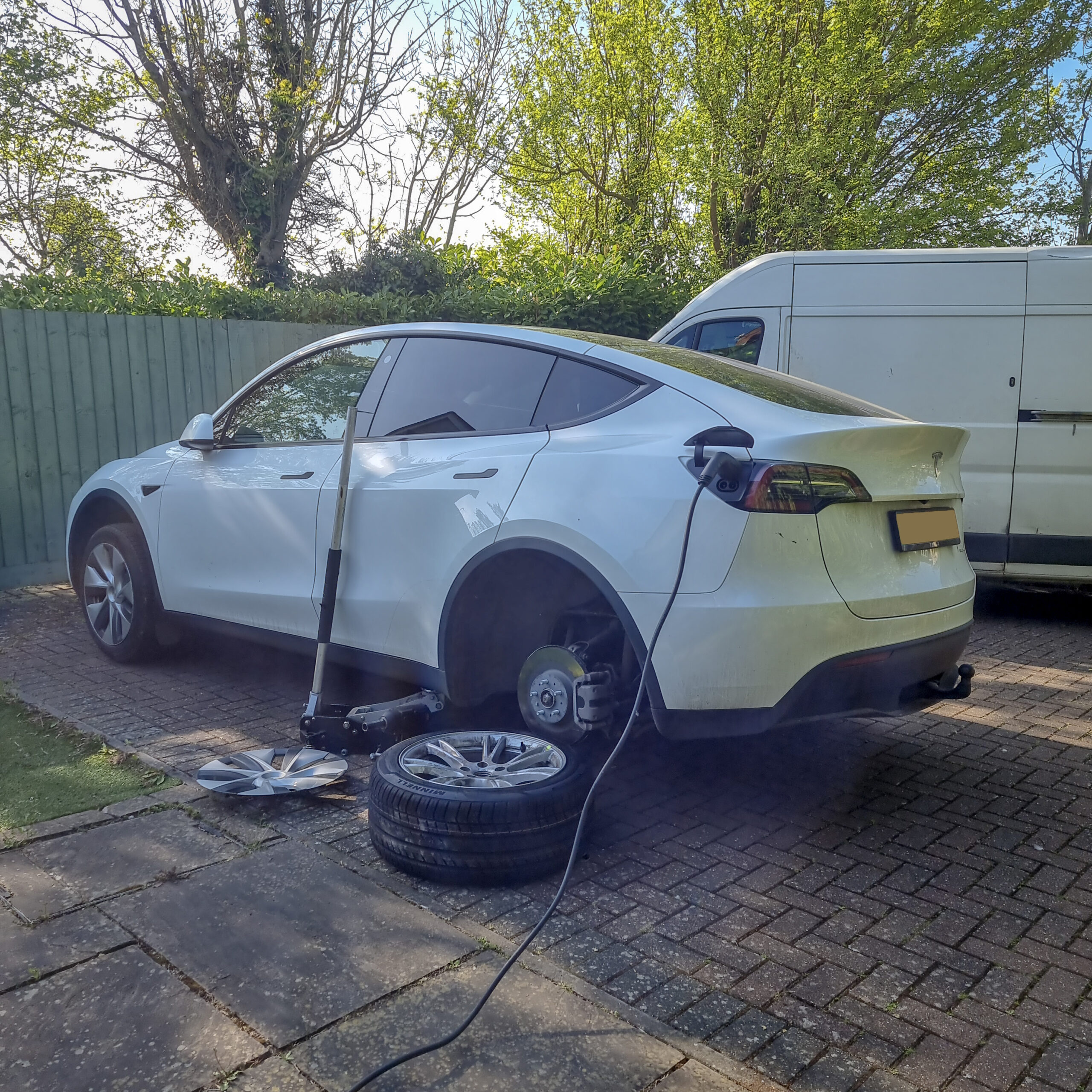
If you’re weighing up new tyres in front or back, the answer is the back, and the reason surprises many drivers. This guide explains why the rear axle gets the better pair, how to tell your best tyres from your worn ones, and what a fitter does when you buy two.
Most of the drivers who ask us this have booked a pair through our mobile tyre replacement service and want the new rubber in the right place.
The question also sits inside the wider job of looking after your car, which our complete guide to tyres across North London covers from fitting to seasonal care.
Settling the Question of New Tyres in Front or Back
Ask ten drivers about new tyres in front or back and you’ll hear two answers, both delivered with confidence. The evidence from tyre makers and safety bodies points one way, and it’s worth seeing what they say.
What the Experts Recommend
The common instinct points the other way. Many drivers reason that the front tyres steer the car and carry most of the braking, so they should get the fresh rubber.
TyreSafe, the UK tyre safety charity, has advised that new tyres go on the rear wheels. It said this is of greater benefit whether the car is front-wheel or rear-wheel drive, and it noted that at least half of motorists believe the opposite, according to Tyrepress.
Michelin’s UK technical manager, Brian Porteous, gives the same advice. He told Auto Express that views in the tyre trade are split almost evenly and that up to half of UK drivers are unsure.
The Michelin Test That Made the Point
Michelin put the idea to the test on a wet handling circle using three identical Volkswagen Golfs. One car had new tyres on the front and part-worn tyres on the back, and another had the reverse.
The part-worn tyres in the test had 2.6mm of tread, which is above the legal minimum. Even so, the car with new tyres at the front lost grip at the rear and oversteered sharply. The car with new tyres at the back showed a gentle understeer that was easy to control.
New Tyres in Front or Back on Any Drive Type
Front-wheel-drive and rear-wheel-drive cars follow the same rule, and so do four-wheel-drive models. The guidance from TyreSafe and Michelin makes no exception for the wheels that deliver the power.
Many drivers assume the driven wheels deserve the best grip. The experts weigh stability first, and that points to the rear axle on every layout.
Why the Rear Tyres Need the Best Grip
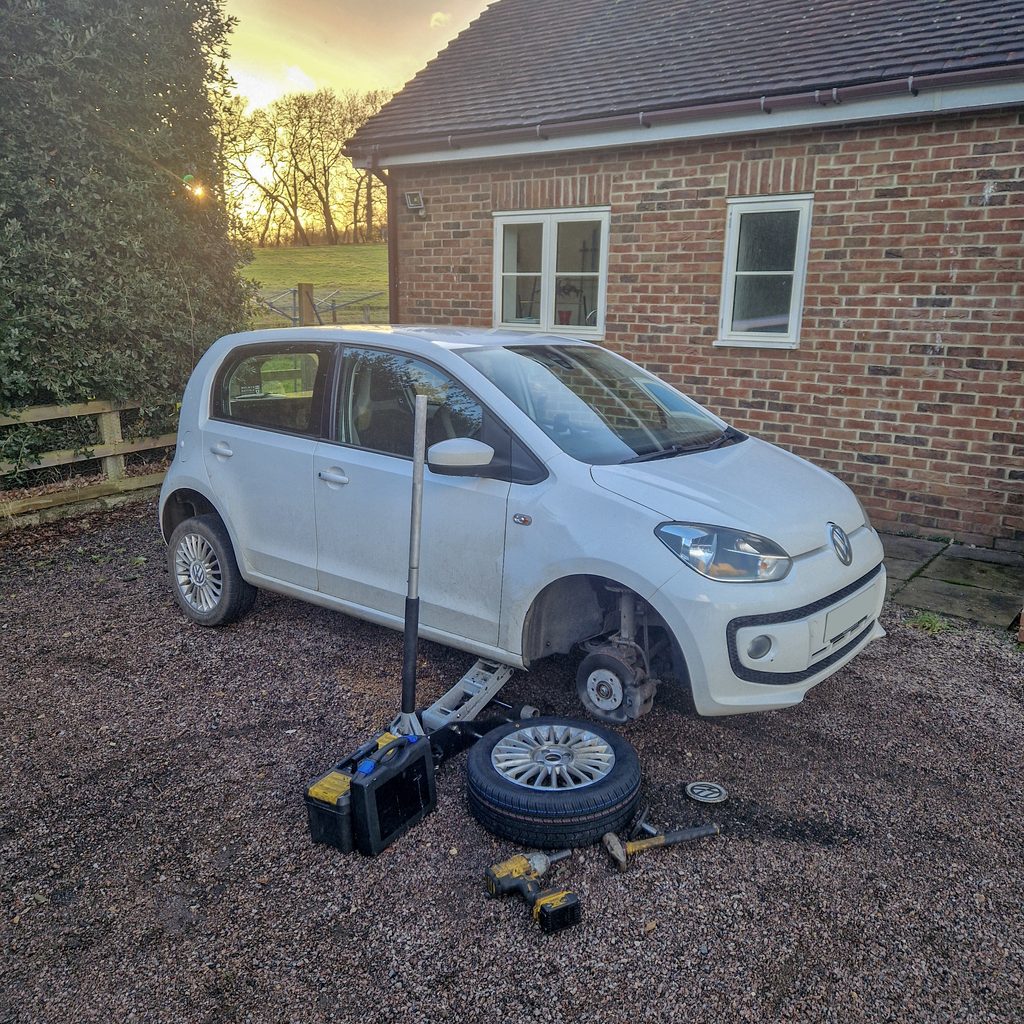
Your rear tyres keep the back of the car planted, and you don’t notice them until they let go. Three reasons explain why the better pair belongs there.
Oversteer Is Harder to Catch Than Understeer
When the front tyres lose grip, the car pushes wide and most drivers instinctively slow down. That’s understeer, and it tends to correct itself once you ease off.
If the rear tyres lose grip, the back of the car swings round, which is oversteer. TyreSafe notes that part-worn rear tyres make a car more prone to it, and it’s far harder to recover from.
Wet Roads and Straight-Line Braking
A tyre with deep tread clears water from underneath it more quickly. TyreSafe says new rear tyres improve the dispersal of water on the road and so help your straight-line braking.
Michelin’s Brian Porteous makes a similar point about priorities. Once the car is stable, braking and traction come next, and a part-worn front tyre usually still delivers enough of both.
A Rear Tyre Failure Is Harder to Control
Few drivers think about what happens when a tyre gives up at speed, yet the position of the tyre decides how the car reacts.
TyreSafe warns that a sudden failure of a rear tyre makes the car much harder to control.
Putting the newest pair on the back reduces the chance of that happening, because TyreSafe also notes that rear tyres wear more slowly than front ones. New tyres at the back therefore last longer.
Telling Your Better Tyres From Your Worn Ones
Before any tyre goes anywhere, you need to know the condition of all four. A few quick checks on your own drive give you the picture in minutes.
Measure the Tread on Every Tyre
The Highway Code’s vehicle maintenance guidance sets the legal minimum for cars at 1.6mm of tread across the central three-quarters of the tyre. We recommend replacing tyres at 3mm, because grip drops away well before the legal limit.
Our tread depth guide shows you how to measure it in a couple of minutes.
Check each tyre at several points around the circumference, because wear is rarely even. Write down the readings for all four, and the better pair will be obvious.
Bring the Pressures Up First
A tyre that’s low on air wears unevenly and can look more worn than it really is. Check all four while they’re cold, using the figures in your handbook or on the door frame, before you judge which pair is in better shape.
Our tyre pressure guide walks you through the check, and a fitter will confirm the pressures on all four wheels at the end of the job.
Look for Damage and Uneven Wear
Cuts and bulges, along with wear that’s heavier on one edge, all need a professional’s attention. They can point to faults with alignment or suspension, and new tyres won’t cure those on their own.
Tell your fitter about anything you’ve spotted. A tyre with damage on the shoulder or sidewall always means a replacement, and it affects which tyres end up on which axle.
What Happens When We Fit Your Pair
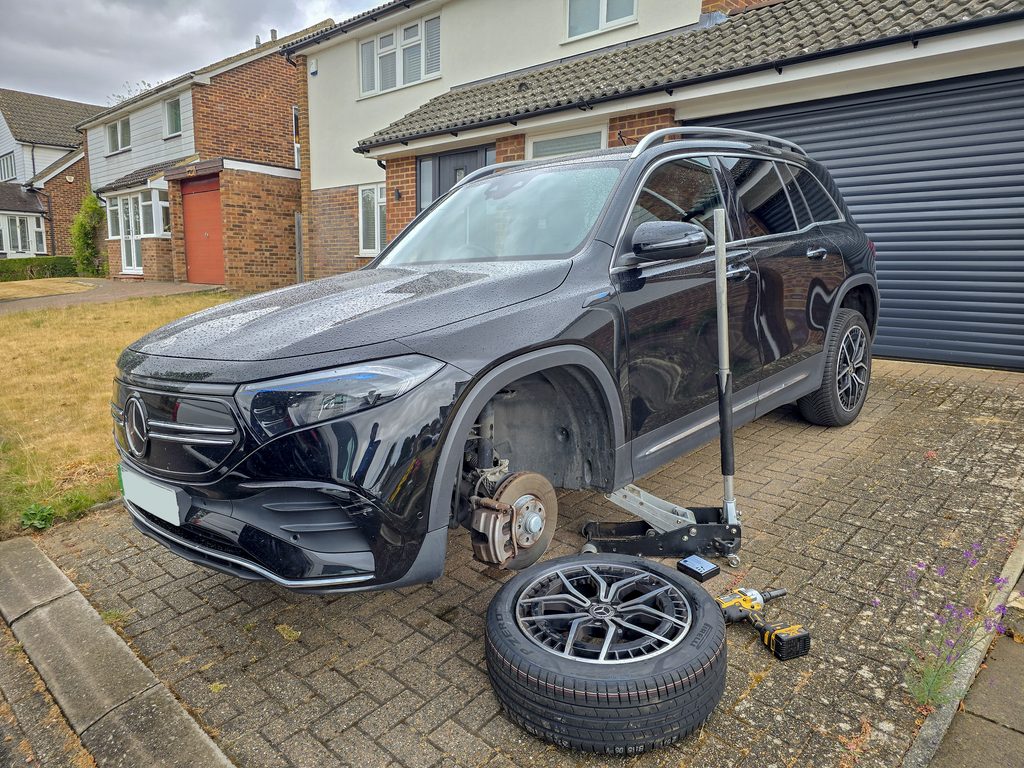
Changing two tyres in the right order takes more care than changing one, and a mobile fitter does the whole job at your door. Here’s how it goes in practice.
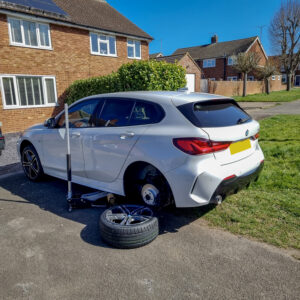
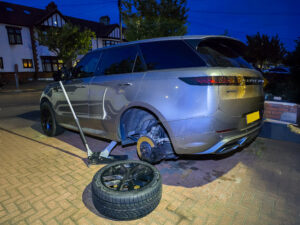
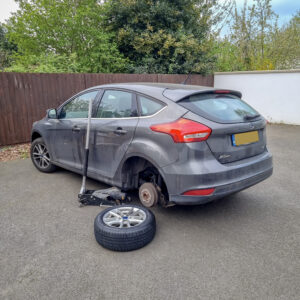
Two New Tyres, Fitted Where You Park
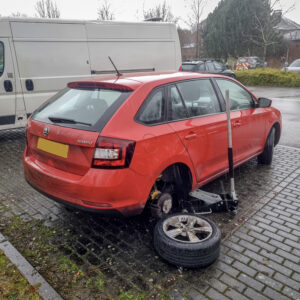
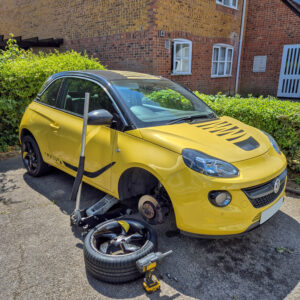
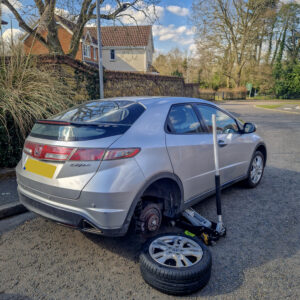
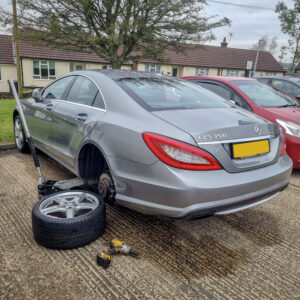
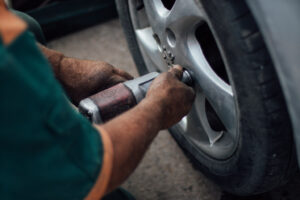
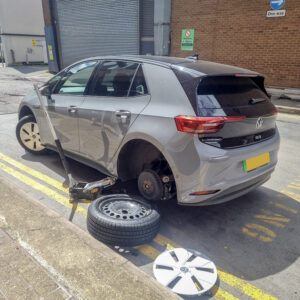
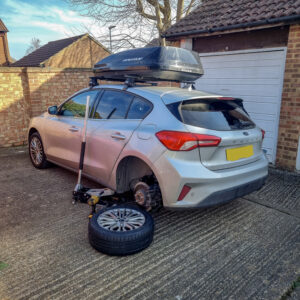
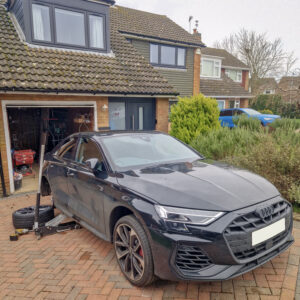
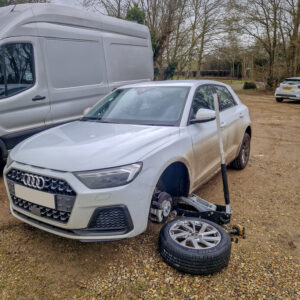
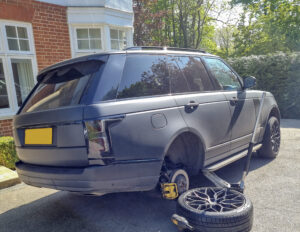
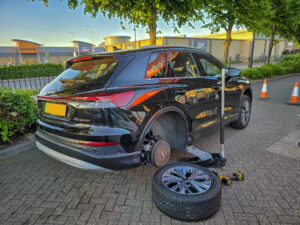
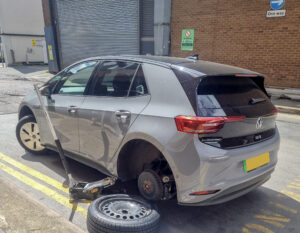
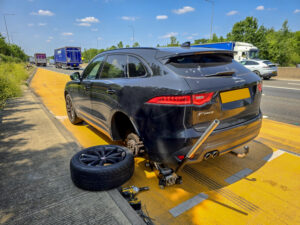
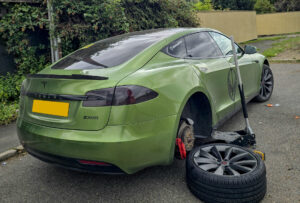
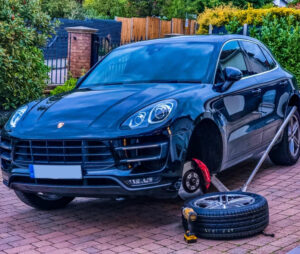
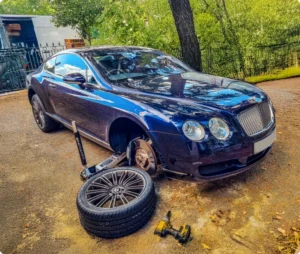
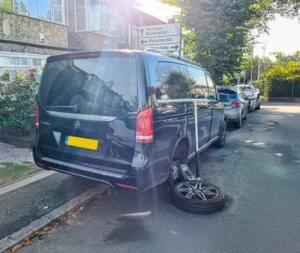
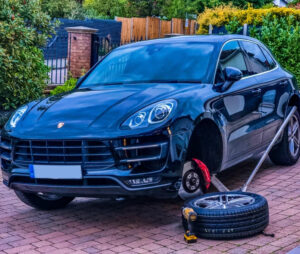
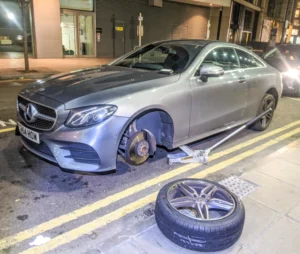
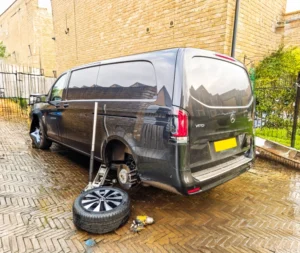
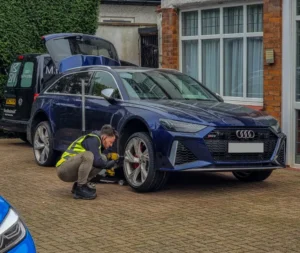
Your fitter arrives with a full hydraulic tyre changer and a digital wheel balancing machine on the van. They remove the old tyres, fit the new pair, balance each wheel, and fit new valves.
They check the pressure on all four wheels before they leave and take the old tyres away with them. The new pair goes on the rear axle, and your fitter will advise on where your existing tyres should sit.
The same logic applies on every visit, so the answer to new tyres in front or back doesn’t change with the make of your car.
Choosing a Pair That Suits Your Driving
The two tyres on an axle should match in make and size, so the car behaves the same on the left as on the right. Our guide to the quietest tyres compares the three price tiers to help you pick.
Every tyre we fit is new, and our post on new tyres versus part-worn tyres explains why we won’t fit anything else.
A Chingford Driver Who Assumed the Front
One Chingford driver booked two tyres for his front-wheel-drive hatchback and told our fitter to put them on the front, where the wear was worst. He was surprised to hear that the new pair belonged at the back.
Our fitter showed him the tread on all four tyres and explained the evidence. The new pair went on the rear axle, and he drove away with a car that felt steadier in the wet.
Common Situations and What to Do
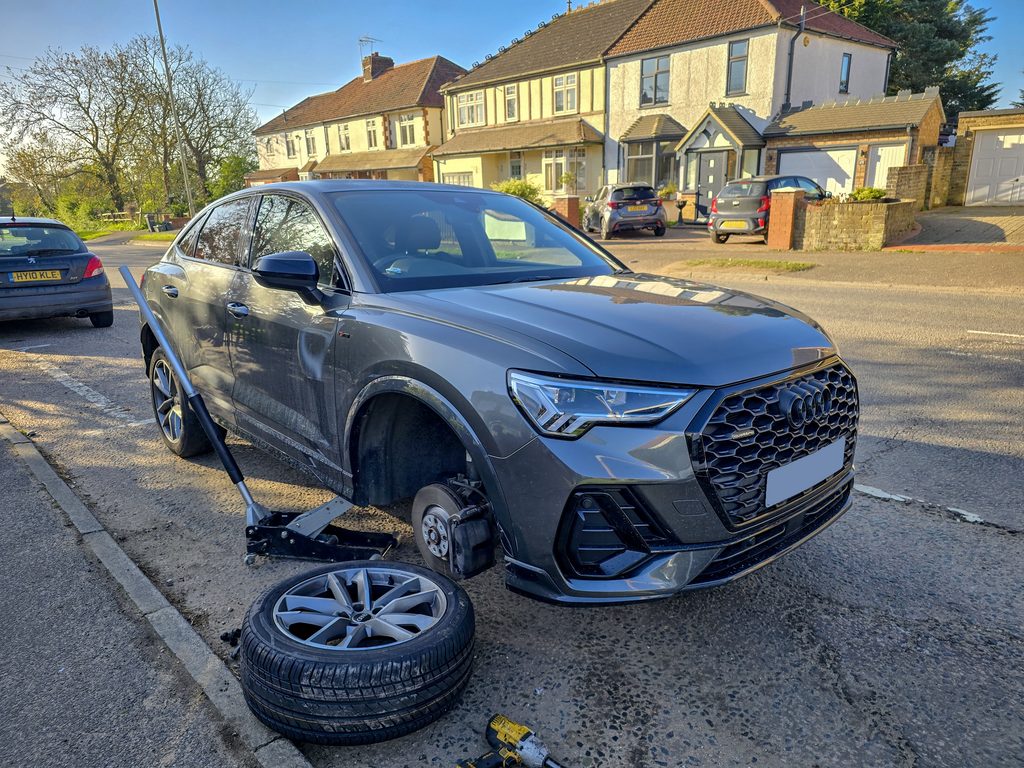
Real cars rarely fit a textbook example. These three situations come up often when drivers ask about new tyres in front or back, and each has a clear answer.
When Only One Tyre Has Failed
If a single tyre has been damaged and the other three are recent and in good condition, replacing just that tyre is usually fine. Where the tyres on that axle are worn or noticeably different in tread, fitting a pair keeps your grip balanced from left to right.
All-wheel-drive cars need extra care, because a big difference in tread depth between tyres can strain the drivetrain. Our fitters look at the condition of all four before they recommend anything.
When All Four Tyres Are Worn
If the tread is low on every tyre, replacing all four removes the question entirely. You get matched grip at both ends of the car and a fresh start on wear.
Budget tyres start from £100, fitted, so you can compare the cost of a pair against a full set before you decide.
When You Live in North London
Our fitters cover the area from Wood Green to Ilford, and you can see the full list of districts in our details on mobile tyre fitting across North London. Wherever you park, the same rear-axle rule applies and the same equipment arrives on the van.
Book Your Tyre Fitting Today
Get your new pair fitted in the right place, at a time that suits your day, and drive away on tyres that keep your car steady. Phone or message us with your location and tyre size, and we’ll give you a price and an arrival time straight away.
Phone us now on 07411 448680.