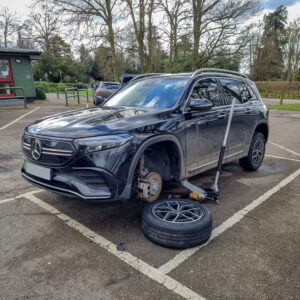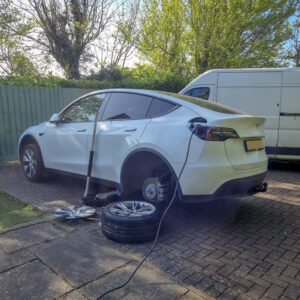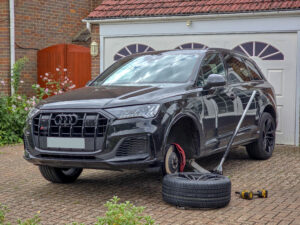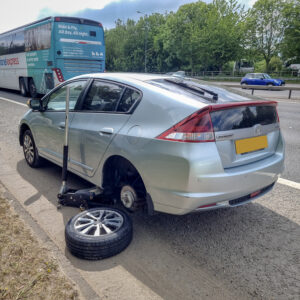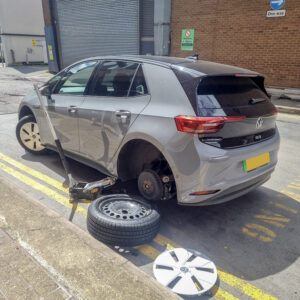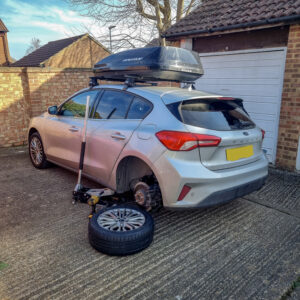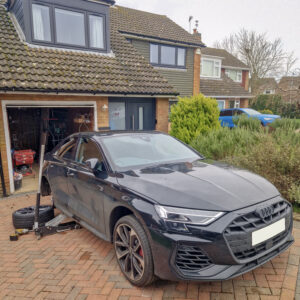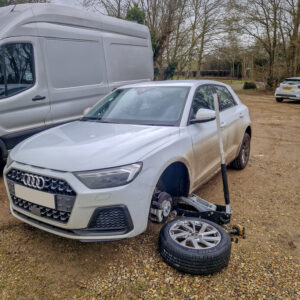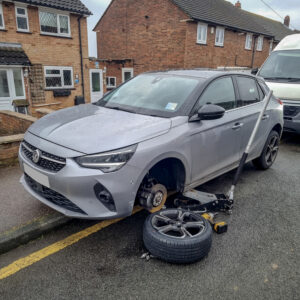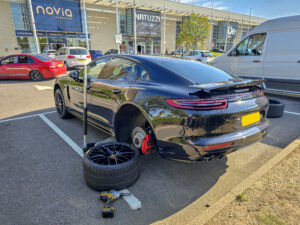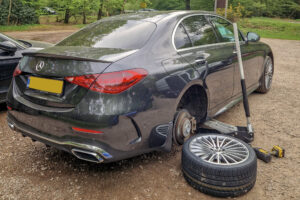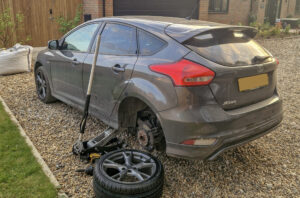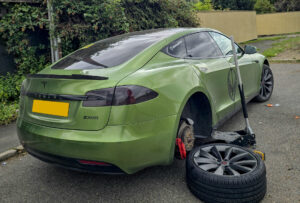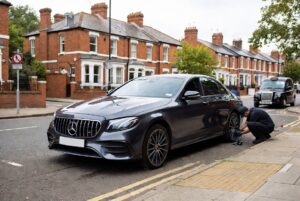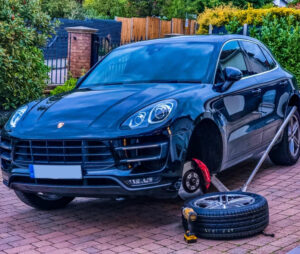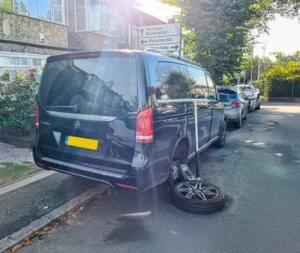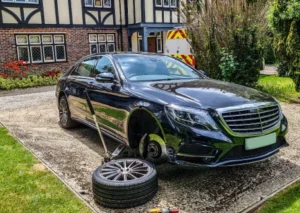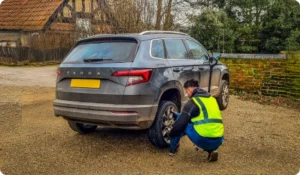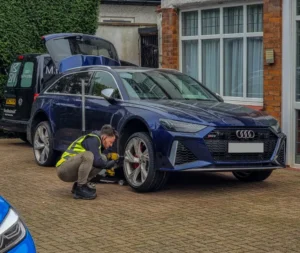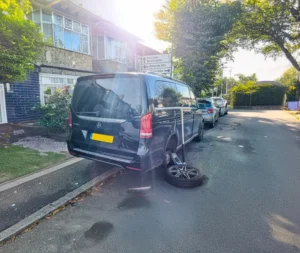
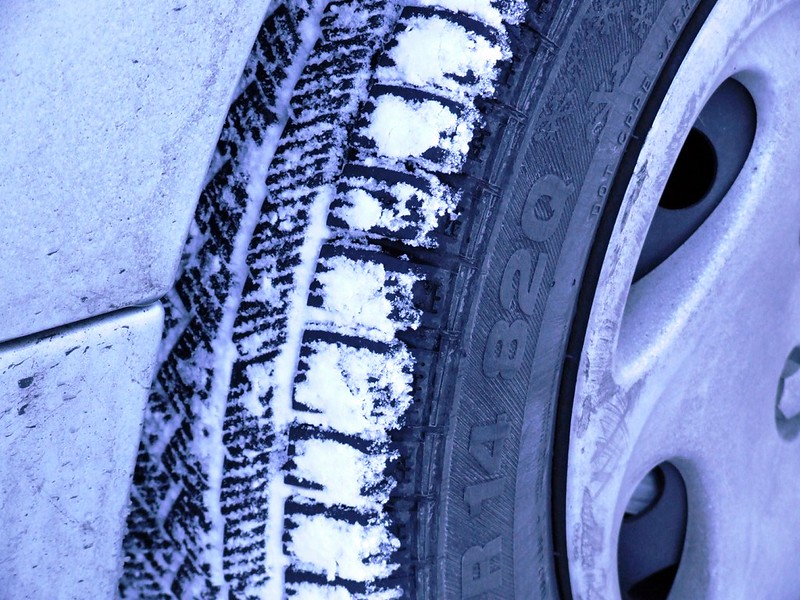
Last November, a Finchley driver rang us asking for the winter tyres he’d read about. The tyres to buy in North London turned out to be simpler than he expected, because our fitter measured the fronts and found just over 2mm of tread. The best purchase was a fresh pair.
That story comes up often. Choosing tyres can feel overwhelming when every guide pulls in a different direction. Our post on the quietest tyres and how to choose between price bands shows how much there is to weigh up.
This guide keeps it practical. It covers what winter does to rubber, what to check on your current set, and the options you can ask us about. It also sits inside our complete guide to North London tyres.
Why the Tyres to Buy in North London Need a Winter Plan
Winter changes how tyres behave long before the first snowflake. Cold, wet roads are the norm for several months, and they test every tyre on the car.
The Cold Changes How Rubber Behaves
The RAC says winter tyres are designed for temperatures that fall below around 7°C. TyreSafe makes a similar point, noting that the tread compound in standard tyres begins to stiffen as the temperature drops, which reduces grip.
A cold morning on the North Circular doesn’t need ice to catch out a worn tyre. It only needs the temperature to dip below that line, and it often does.
Wet Roads Matter More Than Snow
Wet roads are the everyday winter test, and snow is the rare extra. TyreSafe reports tests by the British Tyre Manufacturers Association in which a car braking at 60mph on a wet road at 5°C stopped five metres shorter on winter tyres.
The RAC cites TyreSafe figures of about 65.7 metres for winter tyres against 70.5 metres for summer tyres at 5°C. That’s a gap you can measure in car lengths.
Hertfordshire Lanes on a Frosty Morning
Across Hertfordshire, narrow lanes and damp verges can keep a frosty start going well into the morning. One Welwyn customer told us his road looked perfectly fine until he reached the first shaded bend.
Checking the Tyres You Already Have
Before you buy anything, look at what’s on the car. A few minutes with the tyres tells you more than any shopping list.
Measure the Tread
The legal minimum tread depth for cars is 1.6mm across the central three-quarters of the tyre. We recommend replacing at 3mm, because wet grip falls away well before the legal limit.
Our tread depth guide shows how to measure it with a gauge or a coin. The Finchley driver’s fronts sat well below our 3mm line.
Look at the Sidewalls
Walk around the car and look for cuts and bulges on each sidewall. Sidewall damage always means replacement, because it can’t be repaired.
Check the Pressure
The Highway Code advises checking your tyre pressures weekly, before a journey, while the tyres are cold. Warm tyres can give a misleading reading, so check them before the school run. Our tyre pressure guide shows you how.
Your Options for the Months Ahead
There are three broad choices, and the right one depends on how and where you drive. None of them is wrong, but each suits a different driver.
Standard Tyres
Standard tyres are the type most drivers know, and they work well on wet roads while the tread is healthy. If your tyres are above 3mm and in good condition, they may need nothing more than a pressure check.
Winter Tyres
The RAC explains that winter tyres have a softer rubber compound and deeper grooves with narrow cuts called sipes, which help disperse water and snow and keep the rubber flexible. They aren’t mandatory in the UK.
It adds that only a small percentage of drivers choose to fit them, many of whom live in more remote areas. If your journeys take you down rural Hertfordshire lanes at dawn, they deserve a conversation.
All-Season Tyres
The RAC describes all-season tyres as a compromise between winter and summer performance. They can suit drivers who want one set to cope with the whole year.
Reading the Tyre Label
Every new tyre sold in Great Britain carries a label. The GOV.UK tyre labelling guidance explains that it grades fuel efficiency and wet grip from A to G, and sellers must make it visible before you buy.
The RAC’s guide to tyre labels explains what each grade means. Wet grip matters most in winter, so read it before the fuel grade.
Reading the Sidewall Symbols
Look for the three-peak mountain snowflake symbol on the sidewall, known as 3PMSF. The RAC warns that the M+S marking shouldn’t be confused with it.
Matching the Tyres to Your Budget

Price shapes every tyre decision, and we’d rather be straight about it. There’s a sensible choice at every level. Our post on cheap new tyres in North London and how to make sure you’re getting quality explains what to look for at the lower end.
Budget Tyres From £100 Fitted
Budget tyres start from £100 fitted, and van and caravan tyres start from £120. That price covers the tyre, fitting, a new valve, wheel balancing, and disposal of the old tyre.
Mid-Range and Premium
Mid-range tyres usually cost more than our £100 starting point, and premium tyres sit at the top of the range. We carry tyres from manufacturers including Michelin, Dunlop, Continental, and Pirelli.
Tell us how much you drive and what matters most, and we’ll talk through the options in your size.
Value Matters More Than Price
The cheapest tyre on the day isn’t always the cheapest over its life. The TyreSafe figures quoted in our part-worn post put a new tyre at £5.32 per millimetre of usable tread, against £6.33 for a part-worn tyre with unknown tread and faults.
Why We Only Fit New
Every tyre we fit is new. Our post on new tyres versus part-worn tyres explains why, and the TyreSafe findings it quotes make for sobering reading.
Buying Tyres by Phone Made Simple
If you’ve typed “buy tyres UK online” into a search bar, you’ll know there’s no shortage of choice. We take a different route, because you book with us by phone or on WhatsApp.
That choice is deliberate. A conversation with a fitter beats a screen of filters when you’re deciding on tyres to buy in London.
What to Tell Us
Give us your location and your registration, plus your tyre size if you have it. The size is printed on the sidewall and looks like 205/55 R16.
Tell us how you use the car too. A commuter doing short hops needs different advice from a driver covering motorway miles.
A Quote That Doesn’t Change
We quote the price on the phone, and that quote is the final price. There are no surprises on the drive.
Our guide to how booking and payment work explains each step in more detail.
We Come to You
The van arrives at your home or workplace, fully stocked, so you don’t need to visit a garage. Our post on mobile tyre fitting for drivers parked at work shows how that works on a busy day.
One Barnet customer said she bought her tyres between two meetings and never left her desk.
Buying One Tyre, a Pair, or a Full Set
How many tyres to buy depends on what the old ones look like. Walk round the car before you ring, and you’ll know which answer to give.
When a Single Tyre Will Do
A tyre that has picked up damage may be all that needs replacing. Our guide to what to do about a nail in your tyre explains when a repair is possible, and it may be if the damage sits in the central tread. We repair up to 6mm, to the British Standard BS AU 159.
When You Need a Pair
If you’re buying two, where they go matters. Our post on where the best pair of new tyres should go explains the thinking, and it may surprise you.
Why a Full Set Sometimes Wins
Four new tyres at once means one visit and one price, and the whole car wears evenly from day one. Tell us how the old set looks and we’ll say honestly whether it’s worth it.
Winter Mistakes We See Every Year
Our fitters meet the same few mistakes each autumn. None of them is serious on its own, but together they cost drivers time and money.
Waiting for the First Frost
The phone rings hardest on the first cold morning, when everybody notices their tyres at the same moment. Booking early means you choose the slot, and you avoid a stressful dash before work.
One Enfield driver told us he’d been meaning to ring for three weeks. The frost rang first.
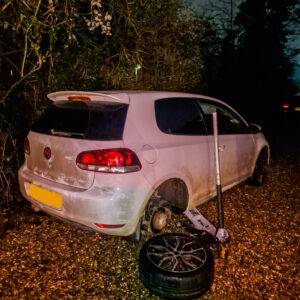
If a tyre fails after dark, our 24 hour mobile tyre fitting service is there for exactly that moment.
Judging Tread by Eye
Tyres rarely look bald until they are, and a quick glance won’t tell you about the central three-quarters. A gauge costs very little, and it answers the question in seconds.
Forgetting the Spare
If your car carries a space saver, remember what TyreSafe says. It’s an emergency solution, with a maximum of 50mph and no more than 50 miles on it. The RAC agrees on the 50mph limit.
Questions to Ask Before Choosing Tyres to Buy in North London
A good fitter will answer anything you ask, so ask freely. Ask how much tread is left on your current set and which price band suits your mileage. Then check what the quote includes.
If the answers are clear and the price is final, you’re talking to the right people. If they’re vague, keep asking until they aren’t.
A Simple Plan for Choosing Your Tyres
Here’s the plan we give to anyone unsure which tyres to buy in North London. It takes one evening, and it works for every kind of car.
Measure and Make a Note
Check the tread on each tyre and write down the lowest figure. Note the tyre size from the sidewall, and jot down any cuts, bulges, or odd wear you spot.
Ring and Describe Your Driving
Call us or message us on WhatsApp and tell us about your usual journeys. Short commutes, motorway miles, and early starts on country lanes all point to different answers.
Choose the Slot That Suits You
Once you’ve agreed the tyres and the price, pick a time that fits your week. The van comes to your home or workplace, and you carry on with your day.
The advice is the same when you’re comparing tyres to buy in London or in a single postcode. Start with the tread, then talk to somebody who fits tyres every day.
Winter Driving in Herts and North London
We cover North London and Hertfordshire, and winter treats the two quite differently. Knowing which one you drive on helps you pick the right tyres to buy in North London for your own routes.
City Streets and Stop-Start Traffic
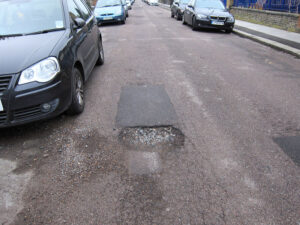
In North London, stop-start traffic and short journeys are the daily routine. Kerbs and potholes take their toll, and winter rain hides the worst of them.
Country Lanes and Early Starts
In Hertfordshire, many drivers leave home early on narrow lanes. Damp verges and shaded bends mean grip matters from the moment you pull away.
Vans and Caravans
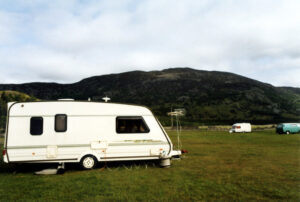
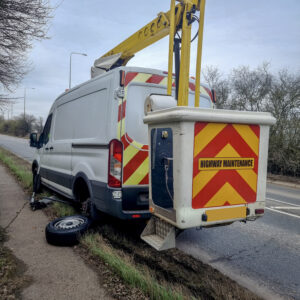
We fit vans up to 3.5 tonnes, so a tradesperson can have tyres sorted before the working day starts. Businesses with several vehicles can read how we handle fleets and company vehicles, and caravan owners can see our post on caravan tyre fitting at your door.
Winter is the worst time to find a bald tyre on a loaded van.
Looking After Your New Tyres
A fresh set deserves a little attention afterwards. The routine is short, and it protects the money you’ve spent.
Keep Up the Weekly Check
A Potters Bar customer keeps a tread gauge in the glovebox next to a very old banana. He says the gauge has been more useful, though the banana has seniority.
Check the pressures while the tyres are cold, and look at the tread and sidewalls as you go. Pick out any stones lodged in the grooves. Our mobile tyre fitting checklist covers what to do before and after a visit.
Treat Pothole Season Seriously
A hard hit can damage a tyre in ways you can’t feel at the wheel. Our post on what to do after a pothole hit explains the signs to look for.
Book Your Tyre Fitting Today
Sort out the tyres to buy in North London before winter tests them, and we’ll bring the van to wherever you’re parked. Phone or message us on WhatsApp with your location and tyre size, and we’ll give you a price straight away.
Phone us now on 07411 448680.