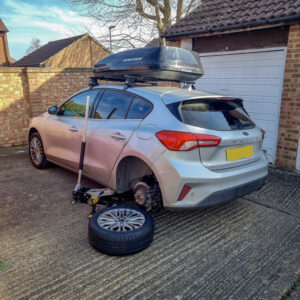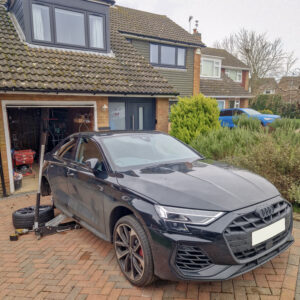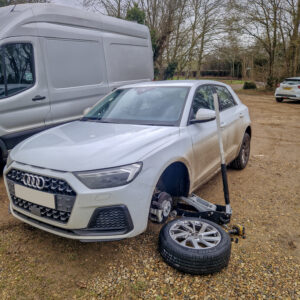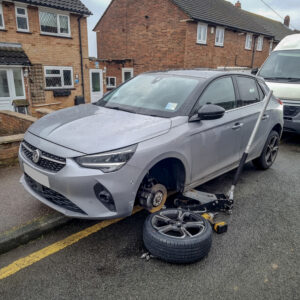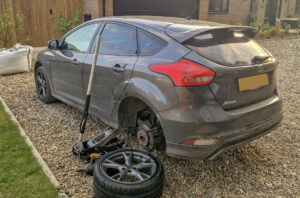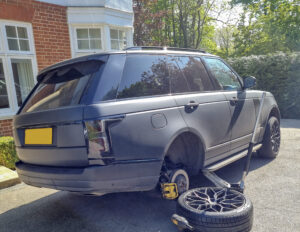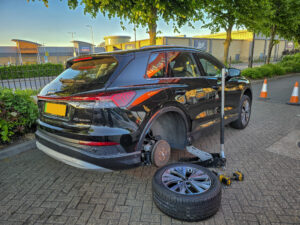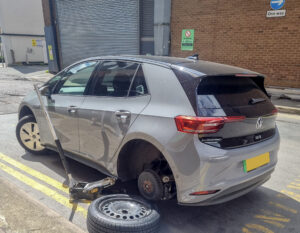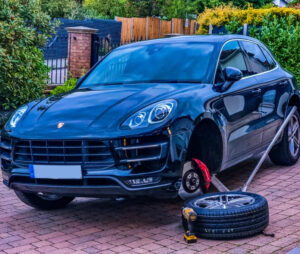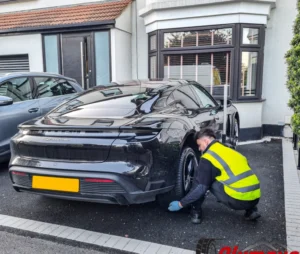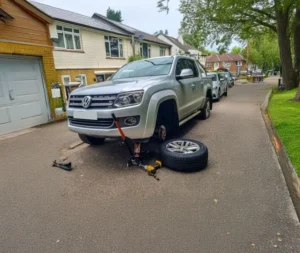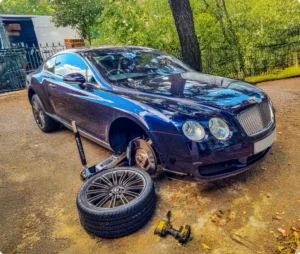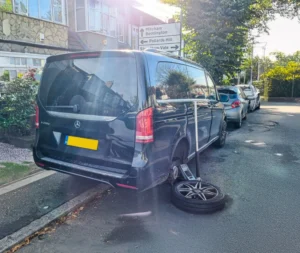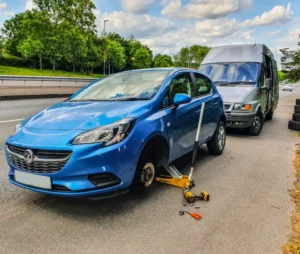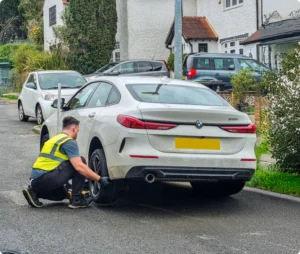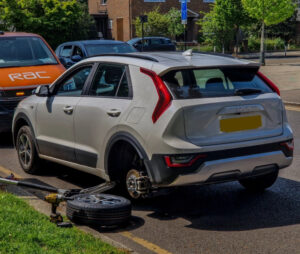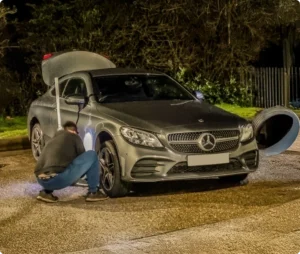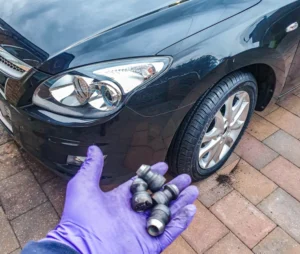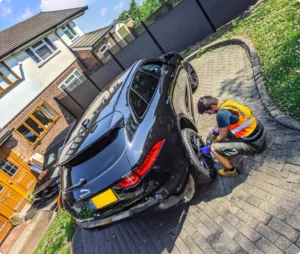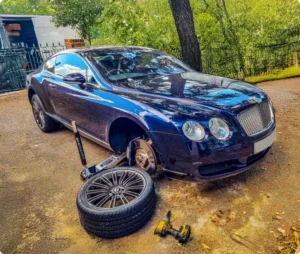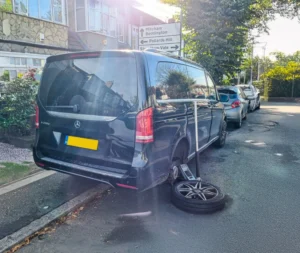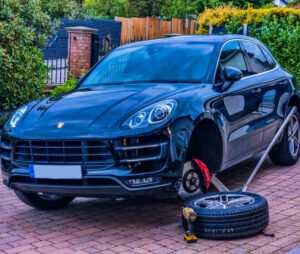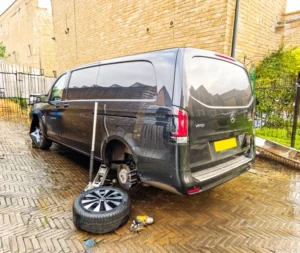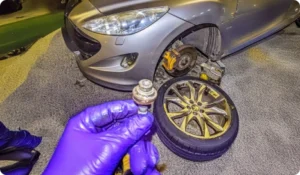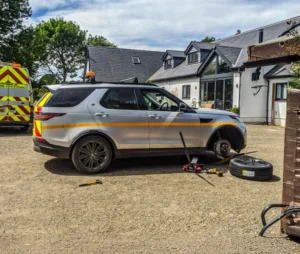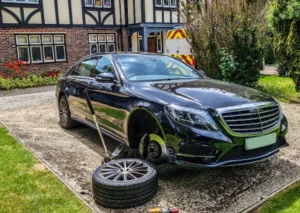
Locking wheel nuts exist for one reason. They stop someone stealing your alloys.
They’re brilliant right up until the moment you need to remove one yourself and can’t.
Lost key. Seized thread. Rounded-off nut that spins uselessly no matter what you try. It happens more often than you’d think, and it turns a routine tyre job into a genuine headache.
The good news is that it’s an entirely solvable problem, provided you find someone with the right tools and the patience to use them properly.
Here’s what locking wheel nut removal in London genuinely involves, and how to find a service that handles it properly the first time.
What Locking Wheel Nut Removal in London Involves
At its simplest, wheel nut removal means taking off a nut without the original key.
It sounds straightforward. It rarely is.
Locking nuts are designed specifically to resist tampering. That’s the whole point. So removing one properly needs the right tool, the right technique, and a fair bit of patience.
The Tools Behind Locking Nut Removal
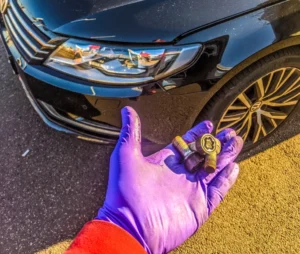
A specialist uses a purpose-built extractor socket, tapped or clamped onto the nut, then turned with steady, controlled force.
Done badly, this strips the nut further and makes things worse. Done properly, it comes off clean, without damaging the wheel, the stud, or the paintwork around it.
Some fitters carry a range of extractor sizes for different nut shapes. Others carry one and hope for the best.
You want the first kind.
Manufacturers use different locking mechanisms too, and a technician who’s seen plenty of them tends to spot the right approach within seconds, rather than trying one method after another and hoping something eventually works.
Why Locking Wheel Nut Removal in London Isn’t a DIY Job
Plenty of guides online explain how to remove a locking wheel nut yourself with basic tools and a bit of hammering.
Please don’t.
A botched attempt often rounds the nut off completely, which makes the professional job afterwards considerably harder and more expensive. What could have been a fifteen-minute fix becomes an hour of careful extraction instead.
If you’ve reached the point of thinking “I can’t remove a locking wheel nut,” that’s your cue to call someone, not reach for a bigger hammer.
How to Find the Best Locking Wheel Nut Removal Service in London
Not every fitter carries the right kit for this job. Here’s what separates a genuinely capable service from one that’ll shrug and suggest a tow truck.
Ask If They Carry Dedicated Extraction Tools
A basic tyre fitting kit doesn’t automatically include locking nut extractors. Ask directly before booking.
A properly equipped mobile tyre fitting service offering genuine locking wheel nut removal in London carries locking wheel nut removal tools as standard, not as an afterthought bolted onto a normal callout.
Check How They Handle Damage Risk
A good technician explains the risk honestly before starting. Sometimes a stubborn nut needs a bit of controlled force that can mark the wheel slightly.
Anyone who promises zero risk whatsoever is either inexperienced or not being straight with you.
Ask About Response Time
Locked wheels don’t wait for a convenient afternoon. If you’re stuck roadside because of one, ask whether the same technician also covers emergency tyre fitting, since a genuine emergency service should be equipped for this too, not just standard punctures.
A specific time window matters far more than a vague reassurance. “Within the hour” gives you something to plan around. “As soon as we can” doesn’t.
Our guide on situations that call for emergency mobile tyre fitting covers exactly which roadside scenarios count as genuinely urgent.
Look for Genuine Local Coverage
Locking wheel nut removal in London covers a wide area, and response time varies enormously depending on where you’re stuck.
A fitter who genuinely knows the roads reaches you faster than a national call centre dispatching from somewhere else entirely. Local knowledge also helps with something less obvious, knowing which car parks, driveways, and side streets give a technician enough space to work safely.
What a Proper Callout Looks Like
Here’s roughly how it goes when the job’s done right.
The technician assesses the nut first. Not every locking nut needs the same approach. Some respond to a simple extractor. Others need more patience.
They protect the surrounding wheel. Painters tape, careful positioning, anything to reduce cosmetic risk while working.
They apply steady, controlled pressure. No rushing, no unnecessary force. Speed here causes more problems than it solves.
They check progress regularly rather than forcing through blindly. A good technician stops and reassesses if something doesn’t feel right, rather than pushing on and risking a snapped stud.
They remove the tyre properly afterwards. Once the nut’s off, the rest of the job continues as normal, either a mobile tyre repair or a full mobile tyre replacement.
They replace the locking nut with a standard one, or a new locking set. So you’re never stuck in this exact situation again.
Most jobs take under an hour from start to finish, extraction included.
Why This Happens More Than You’d Think
Locking nuts get lost more easily than people expect. They end up in a random drawer, a house move, a car change where the key never got handed over.
Seizing happens too, especially on older vehicles or ones that spend a lot of time near salted winter roads. Corrosion locks the thread in place over time, key or no key.
According to Own It, the national police-backed vehicle security campaign, wheel and tyre theft remains a genuine ongoing issue across London, which is exactly why locking nuts became standard fitment in the first place. They do their job well. The trade-off is what happens when you need to undo that protection yourself.
There’s also a cost question worth asking upfront. Extraction sometimes takes longer than a standard nut removal, and a fair company reflects that honestly in the quote rather than surprising you afterwards. Ask for a rough figure before the technician starts, not after they’ve finished.
Vans and Caravans Aren’t Exempt Either
Bigger vehicles have locking nuts too, and they’re no easier to shift without the right kit. The road safety charity TyreSafe publishes wider guidance on wheel and tyre maintenance for larger vehicles too, worth a look if you want an independent source beyond a single company’s own advice.
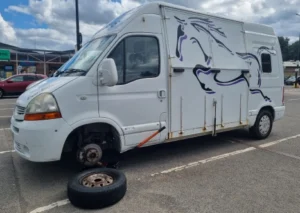
Van tyre fitting and caravan tyre fitting both need a technician equipped for heavier vehicles as well as locked wheels, so it’s worth confirming both before you book if your vehicle is bigger than a standard hatchback.
Don’t Wait Until It’s an Emergency
If you know your locking key’s gone missing, don’t wait for a puncture to force the issue.
Booking same day tyre fitting to sort a lost key proactively is considerably less stressful than discovering the problem while stranded somewhere inconvenient.
The Short Version
Locking wheel nut removal in London isn’t a job for a hammer and a hopeful attitude.
It needs the right extractor tools, a technician who knows what they’re doing, and a bit of patience on both sides.
Ask about their kit, ask about damage risk, and ask how fast they can genuinely reach you. A confident answer to all three tells you almost everything you need to know before a single tool comes out of the van.
For a broader look at what a properly equipped mobile fitter carries generally, our piece on what a mobile tyre fitter keeps in his van covers the full kit list. And if you want to understand the wider booking process from first call to driving away, our guide on mobile tyre fitting near me walks through exactly what to expect.
A stuck locking nut feels like the end of your afternoon. Watching a technician who genuinely knows what they’re doing sort it in under an hour tends to change that impression fairly quickly. With the right service, it’s a fairly ordinary fix, not the disaster it seemed like standing on your driveway an hour earlier.
Call Olympus Mobile Tyre Fitting on 07411 448680, day or night.